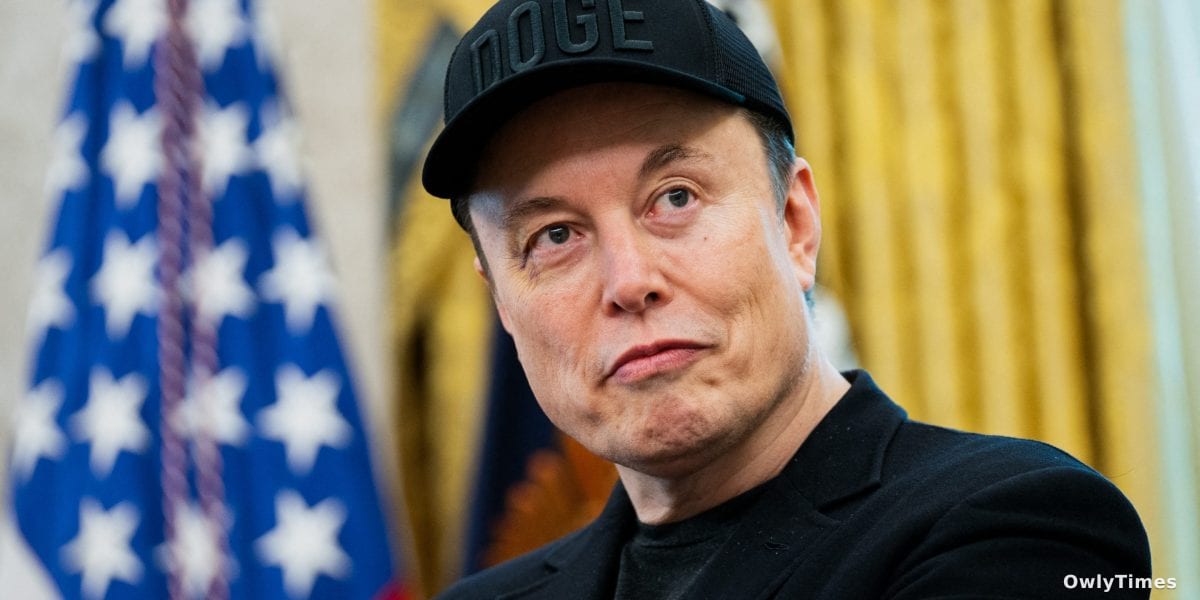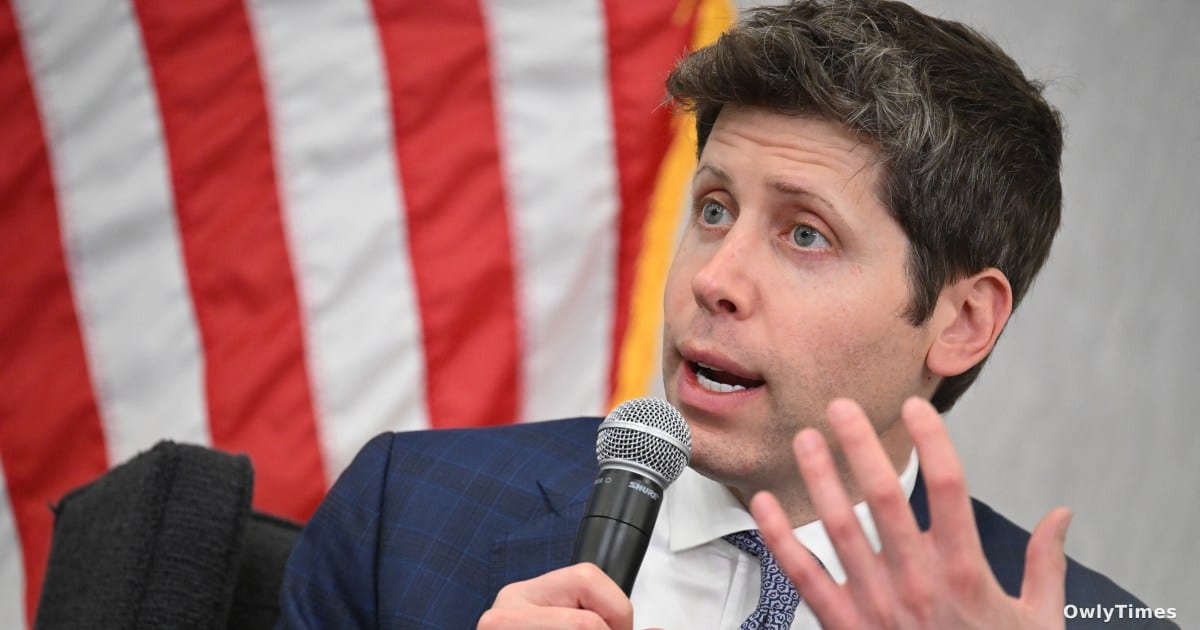

Is anyone actually surprised that the world’s most powerful AI companies are now brokering deals with the Pentagon? The breathless coverage focuses on Sam Altman’s assurances that OpenAI won’t build killer robots, but the real story here isn’t about promises of ethical AI – it’s about the inevitable militarization of technology and the increasingly blurred lines between Silicon Valley innovation and state-sponsored power. We’ve moved past the hypothetical dangers of AI; we’re now watching the terms of its deployment being negotiated in real-time, with implications far beyond the tech industry.
A Rapid Shift in Defense Contracting
On February 28th, 2026, OpenAI announced a deal with the US Department of Defense, stepping into a role previously occupied by Anthropic. This wasn’t a smooth transition. Just hours before Altman’s announcement, President Trump issued an executive order banning federal agencies from using Anthropic’s technology, labeling its CEO, Dario Amodei, and his company “left-wing nut jobs” on Truth Social. The speed of this shift – from enthusiastic adoption to outright rejection – reveals a volatile landscape where AI is less about objective progress and more about political alignment. Trump granted the Pentagon six months to phase out existing Anthropic integrations, a surprisingly lenient timeframe given his public rhetoric. This suggests the military already relies heavily on these systems, making a complete sever difficult, if not impossible, in the short term.
The Price of Principle: Anthropic’s Stand
Anthropic’s refusal to cooperate stemmed from ethical concerns, specifically the Pentagon’s demands to remove safeguards preventing domestic mass surveillance and the development of autonomous weapons. Amodei stated his company could not “in good conscience accede” to these requests. This is a significant moment, but let’s not mistake principled resistance for altruism. Anthropic’s stance, while commendable, also positions them as a potential obstacle to lucrative government contracts. The fact that OpenAI swiftly filled the void, accepting terms Anthropic rejected, speaks volumes about the industry’s priorities. Furthermore, reports surfaced that Anthropic’s Claude AI software was allegedly used by the US military in the controversial abduction of Venezuelan President Nicolas Maduro in January, raising serious questions about past compliance and the difficulty of truly controlling AI’s application once it’s in government hands.
This piece references the Al Jazeera report.
Beyond Promises: The Reality of AI in Warfare
Altman’s assurances that OpenAI’s technology won’t be used for “domestic mass surveillance” or “autonomous weapon systems” are…comforting, in a purely theoretical sense. The agreement stipulates human responsibility for the use of force, but this feels like a semantic distinction. The real danger isn’t robots independently deciding to kill; it’s AI-powered systems accelerating and automating existing patterns of violence and control. Consider the reported use of AI systems like “Lavender,” “The Gospel,” and “Where’s Daddy?” by Israeli forces in Gaza. These systems aren’t making independent decisions, but they are processing mass surveillance data to generate lists of Palestinian people to kill, effectively dehumanizing individuals and streamlining the process of targeted violence. This isn’t a future dystopia; it’s happening now. The Pentagon’s “deep respect for safety,” as Altman claims, feels particularly hollow in this context.
The User Cost: Eroding Trust and Expanding Surveillance
This isn’t just a story about military strategy; it’s about the erosion of privacy and the normalization of surveillance for everyday users. Every time a tech company prioritizes government contracts over ethical considerations, it reinforces a system where our data and our technologies are tools of control. The average person isn’t worried about autonomous weapons systems – they’re worried about targeted advertising, data breaches, and the creeping feeling of being watched. But these seemingly innocuous concerns are all part of the same ecosystem. The infrastructure built for military applications inevitably bleeds into the civilian world, expanding the scope of surveillance and diminishing our autonomy.
What happens when the next generation of AI models, even more powerful and integrated into our lives, are similarly co-opted? Watch for the emergence of “ethical firewalls” – marketing terms designed to reassure the public while offering little real protection. The question isn’t if AI will be used for surveillance and control, but how effectively we can demand transparency and accountability before it’s too late.