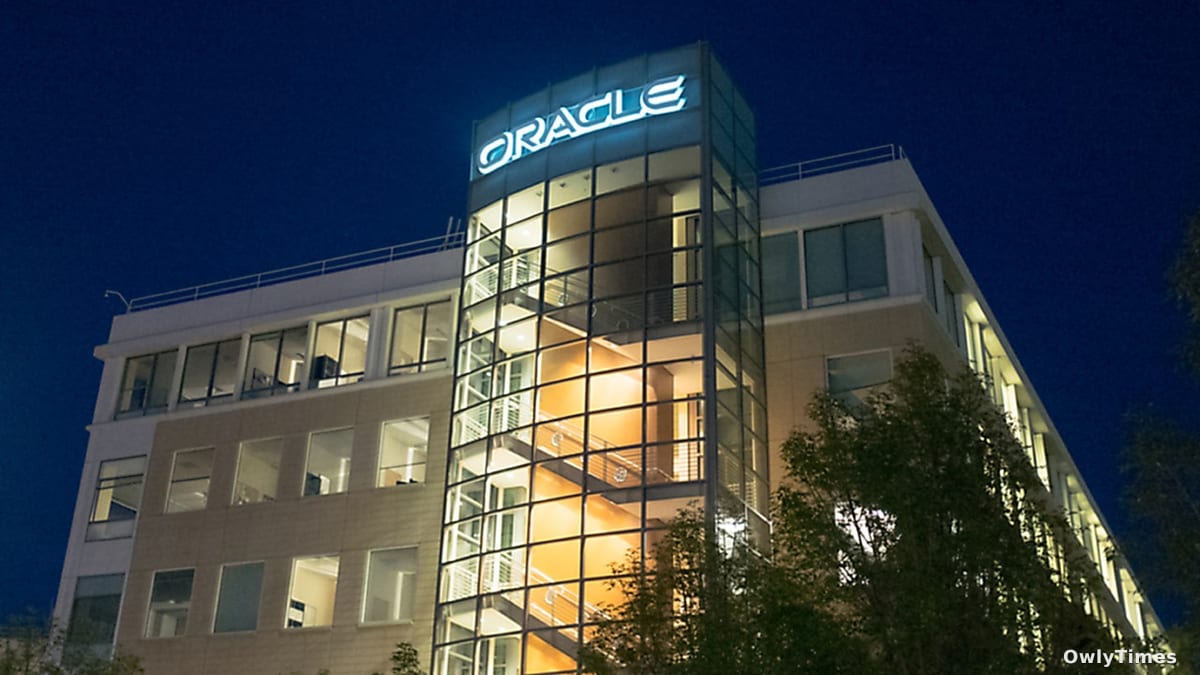

Is the AI gold rush already claiming its first major casualty? Everyone’s fixated on the dazzling promises of artificial intelligence, the potential for exponential growth, and the race to build the biggest, fastest models. The real story here isn’t about Oracle’s ambition to become an AI powerhouse – it’s about the brutal math of building one, and the very real human cost of that equation. Reports indicate Oracle is preparing to slash between 20,000 and 30,000 jobs, representing 12-18% of its 162,000-strong global workforce, as early as March 2026. This isn’t a routine restructuring; it’s a preemptive strike against a looming financial crisis of their own making.
The problem isn’t Oracle’s idea – it’s the execution. Larry Ellison and his team are betting big on competing with Amazon Web Services (AWS), Microsoft, and Salesforce in the cloud AI space. A sensible strategy, perhaps, except that building the infrastructure to deliver on that promise requires a frankly terrifying amount of capital. We’re talking about data centers, and not the kind that quietly hum in the background. These are power-hungry behemoths, and Wall Street is already signaling its skepticism, expecting Oracle’s cash flow to remain negative for years. According to a report cited by CIO, both equity and debt investors are openly questioning Oracle’s ability to finance this massive buildout.
This isn’t just about abstract financial concerns. The pullback in financing from U.S. banks, as reported by TD Cowen, is a critical detail. It’s one thing for a company to plan to spend billions; it’s another to actually secure the funding to do so. Banks, typically eager to capitalize on tech booms, are now hesitant, likely factoring in the escalating costs of electricity – a point underscored by recent pledges from major tech companies to support Donald Trump’s demands for increased data center energy payments. The irony isn’t lost: the future of AI is becoming increasingly reliant on political favors and a stable energy grid, two things rarely guaranteed. The projected $8 to $10 billion freed up by these layoffs, as estimated by TD Cowen, isn’t a sign of strength; it’s a desperate attempt to shore up liquidity.
See the original foxbusiness.com story for the full account.
The impact won’t be felt solely in Silicon Valley boardrooms. Oracle plans to target roles deemed redundant due to AI automation, meaning employees across multiple divisions are at risk. This isn’t about replacing a few outdated positions; it’s a fundamental shift in the skills needed within the company. While Oracle claims it’s reassessing open positions in its cloud division, the reality is that many existing employees will find their expertise suddenly less valuable. This is a pattern we’re seeing across the tech sector – the promise of AI-driven efficiency often translates to job losses for those who built the systems it’s now replacing. The stock dipped nearly 1% following the news, a small but telling indicator of investor anxiety.
But here’s where the narrative gets truly unsettling. Oracle’s situation isn’t unique. Many companies are making similar bets on AI, and many will likely encounter the same financial realities. The initial hype cycle is giving way to a period of harsh reckoning. The question isn’t if other tech giants will follow suit with significant layoffs, but when. Watch closely for companies that are aggressively expanding their data center footprint without a clear path to profitability. Specifically, keep an eye on announcements regarding capital expenditure in the next six to nine months. If those numbers start to decline, it will be a clear signal that the AI boom is starting to buckle under its own weight.