
The Strategic Tightrope: Orban’s Gamble on Fear and Magyar’s Appeal to Western Identity
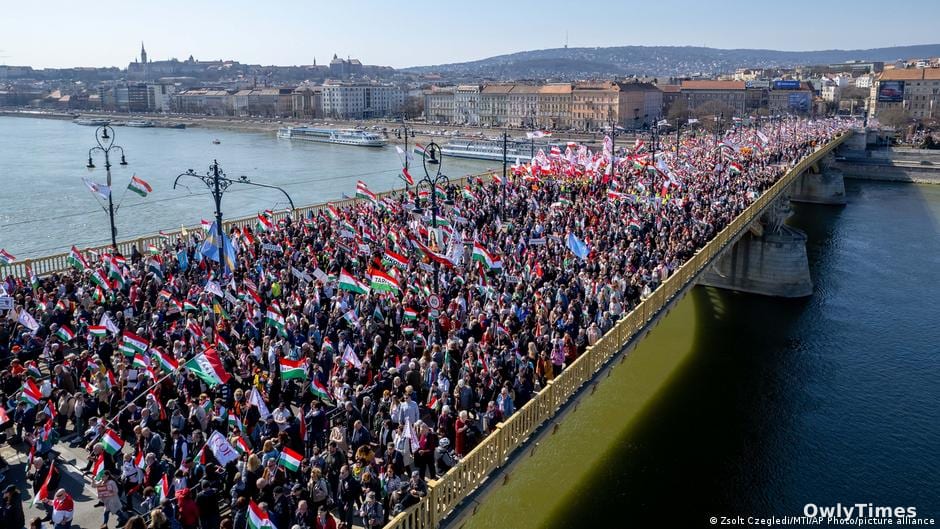
The dueling rallies in Budapest on Sunday weren’t simply displays of political force ahead of the April 12th elections; they were a calculated demonstration of divergent strategic alignments. Viktor Orban’s invocation of external threats – war, migration, and the specter of a Ukrainian “colony” – isn’t a spontaneous reaction to geopolitical events, but a deliberate attempt to reframe the election as a defense of Hungarian sovereignty against encroaching foreign influence. This tactic, honed over 16 years in power, aims to consolidate his base by exploiting anxieties and positioning himself as the sole protector of national interests. The fact that Orban is now trailing in polls to Peter Magyar explains the escalation of rhetoric; he’s attempting a last-minute shift in the narrative, betting that fear will outweigh economic concerns and disillusionment with his long rule.
See the original dw.com story for the full account.
The Shifting Sands of Public Opinion and the Ukraine Factor
The dynamic between the two campaigns reveals a crucial shift in Hungarian public sentiment. For years, Orban successfully cultivated a nationalist identity centered on resisting Brussels and maintaining close ties with Moscow. However, Magyar’s surge in popularity, evidenced by the estimated 100,000 supporters at Heroes Square compared to the tens of thousands at Orban’s march, suggests a growing appetite for a more pro-Western orientation. This isn’t merely a preference for the EU; it’s a rejection of Orban’s increasingly isolated position on Ukraine. The escalating dispute between Hungary and Ukraine – the blocked oil deliveries and detained cash shipment – isn’t a peripheral issue, but a key pressure point. Orban’s public admonishment of Ukraine to stop “attacking” Hungary, while seemingly absurd given the power imbalance, serves to reinforce his narrative of external aggression and justify his pro-Russian stance to his core supporters. The timing is critical; polls last year began to show Magyar’s Tisza party gaining ground, forcing Orban to double down on his established playbook.
Echoes of History: Nationalism and the Appeal to Victimhood
Orban’s strategy isn’t novel. Throughout 20th and 21st-century European history, leaders facing declining support have frequently resorted to nationalist appeals and the construction of external enemies. The rhetoric of being an “island of security” surrounded by hostile forces echoes the narratives employed by leaders in the interwar period, often as a prelude to more aggressive policies. The reference to “parachutists from Brussels” is a particularly pointed example, invoking a sense of foreign imposition and undermining the legitimacy of the EU. This tactic is designed to appeal to a segment of the Hungarian population that feels left behind by globalization and fears the erosion of traditional values. The banner proclaiming “We won’t be a Ukrainian colony!” is a particularly stark illustration of this manufactured threat, tapping into historical anxieties about foreign domination.
Who Benefits and Who Loses in This Political Calculus?
The immediate beneficiaries of Orban’s strategy are his loyal base and, potentially, the Kremlin. Maintaining a friendly relationship with Hungary allows Russia to circumvent EU sanctions and exert influence within the bloc. Orban’s continued criticism of Ukraine also serves to undermine Western unity and weaken support for Kyiv. Magyar, conversely, stands to benefit from a shift in voter sentiment towards the West, potentially attracting support from disillusioned Fidesz voters and pro-EU Hungarians. However, he faces the challenge of overcoming Orban’s well-established media network and the perception that he is a political newcomer. Ukraine loses regardless of the outcome, as either a continued Orban government will maintain its obstructionist policies, or a Magyar government will likely demand concessions in exchange for support. The EU also faces a potential loss of influence if Orban remains in power, further complicating its efforts to forge a unified foreign policy.
The Next Chess Move: The Role of Disinformation and Election Monitoring
The most critical political chess move to watch in the coming weeks isn’t another rally, but the information environment. Magyar’s accusation that Orban is “inviting Russian agents” to interfere in the elections is a serious charge, and the extent to which disinformation campaigns are deployed will be a key determinant of the outcome. International election monitoring will be crucial, not just to ensure a fair process, but to document any evidence of foreign interference. The question isn’t simply whether Magyar can unseat Orban, but whether the election will be perceived as legitimate, both domestically and internationally. Will the EU and NATO actively investigate Magyar’s claims, and what consequences will follow if evidence of Russian interference emerges? The answer to that question will shape Hungary’s future trajectory and its relationship with the West for years to come.