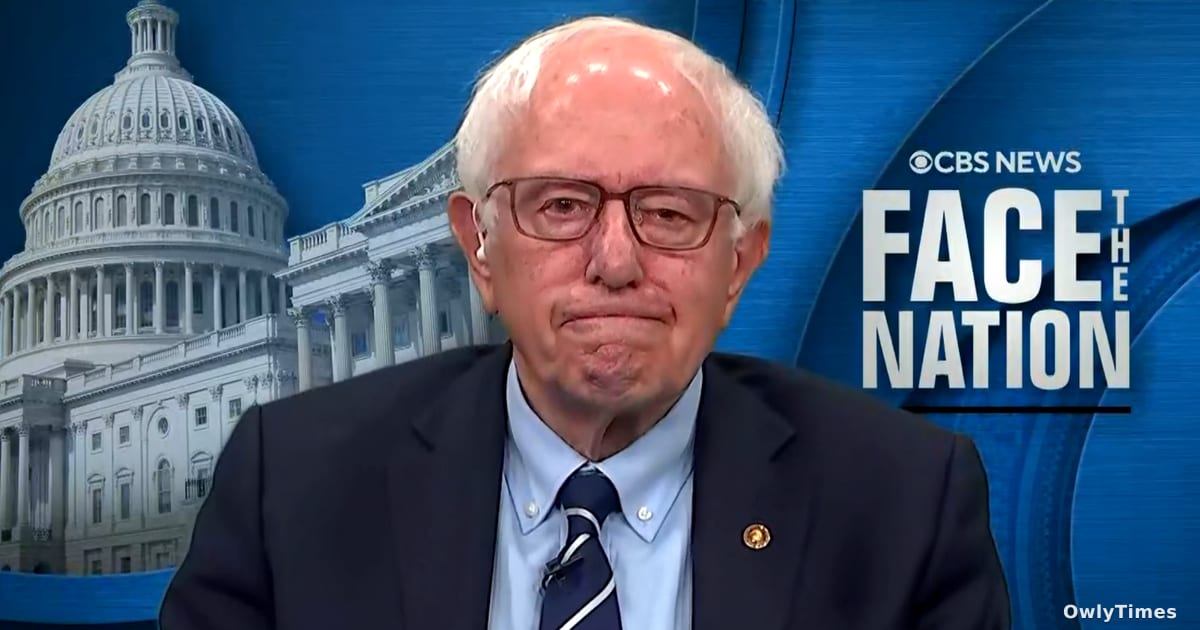

The current standoff over the SAVE America Act isn’t about election security – it’s a calculated pressure campaign by the Republican right, leveraging Donald Trump’s continued influence and a fractured Senate majority to test the limits of procedural obstruction. The demand for a “talking filibuster,” while presented as a bold tactic to overcome Democratic resistance, is fundamentally a maneuver to expose vulnerabilities within the Republican caucus and force concessions on broader legislative priorities. The strategic calculus is clear: even if the SAVE Act itself fails, the process will reveal who is loyal to Trump and willing to endure political pain, and who prioritizes pragmatic governance.
The bill, which would impose nationwide proof-of-citizenship requirements and photo ID mandates for voting, is widely viewed as a voter suppression effort by Democrats, with Senator Raphael Warnock calling it “dead on arrival.” But the immediate legislative hurdle isn’t the bill’s substance, it’s the 60-vote threshold required to overcome a traditional filibuster. Senator Mike Lee of Utah, the bill’s chief Senate sponsor, and a chorus of conservative voices are pushing for a talking filibuster – a grueling, continuous debate intended to wear down the opposition. This isn’t a genuine attempt to pass the SAVE Act through sheer force of will; it’s a test of Republican unity and a signal to the base that leadership is fighting. Who benefits and who loses hinges on whether Senate Majority Leader John Thune can maintain control of his caucus. A successful talking filibuster strengthens the right wing, while a collapse exposes fissures and emboldens moderates.
Original reporting: NBC News.
The historical precedent for this tactic is largely one of failure. As Senator Jeff Merkley pointed out, a talking filibuster has never changed the outcome of a vote in American history. Merkley himself explored the strategy when Democrats controlled the Senate, ultimately concluding it was impractical. The core problem is asymmetrical burden. Republicans would need 51 senators physically present and speaking, around the clock, while Democrats need only two – one speaking, one ready to take over. This imbalance, coupled with the potential for Democrats to offer amendments on popular issues like restoring Obamacare subsidies or revoking Trump’s tariffs, creates a scenario where the talking filibuster could backfire spectacularly, derailing the entire Republican agenda. Senator John Cornyn succinctly captured the risk: “You might not be able to defeat them.”
Thune’s public skepticism is the most telling aspect of this unfolding drama. He acknowledges the lack of “unified Republican conference” support and highlights the logistical nightmare of maintaining a quorum. His caution about prioritizing other legislative goals – funding the Department of Homeland Security and a housing bill – reveals the true cost of engaging in a prolonged, symbolic battle over the SAVE Act. The pressure from the right, exemplified by Trump’s direct callout during the State of the Union address (“We have to stop it, John”), is forcing Thune to navigate a treacherous path between appeasing his base and maintaining a functional Senate. The fact that 51 votes would be required to table amendments, as Cornyn noted, further complicates the equation, making a successful outcome reliant on a level of Republican discipline that currently doesn’t exist.
The current situation echoes the 2022 Democratic attempt to invoke the “nuclear option” – eliminating the filibuster for voting rights legislation. That effort failed due to internal divisions, demonstrating the difficulty of fundamentally altering Senate rules without complete party unity. The difference now is that Republicans are attempting a procedural maneuver within the existing rules, a tactic that, while less dramatic, carries its own set of risks. The mechanics of a talking filibuster, as explained by Sarah Binder of George Washington University, are brutally demanding on the majority, requiring not just votes but sustained “intensity, commitment, and energy.”
The political chess move to watch next isn’t whether the SAVE Act passes – it’s whether Thune calls a vote on a motion to proceed to the bill. A vote would force Republicans to publicly declare their position, exposing the depth of the divisions within the caucus. If Thune delays, it signals he’s attempting to defuse the situation, potentially seeking a compromise that allows Republicans to claim they’re addressing election integrity concerns without engaging in a protracted and ultimately futile battle. The question is: can he appease both Trump and the pragmatists within his party, or will the pressure from the right ultimately force his hand?