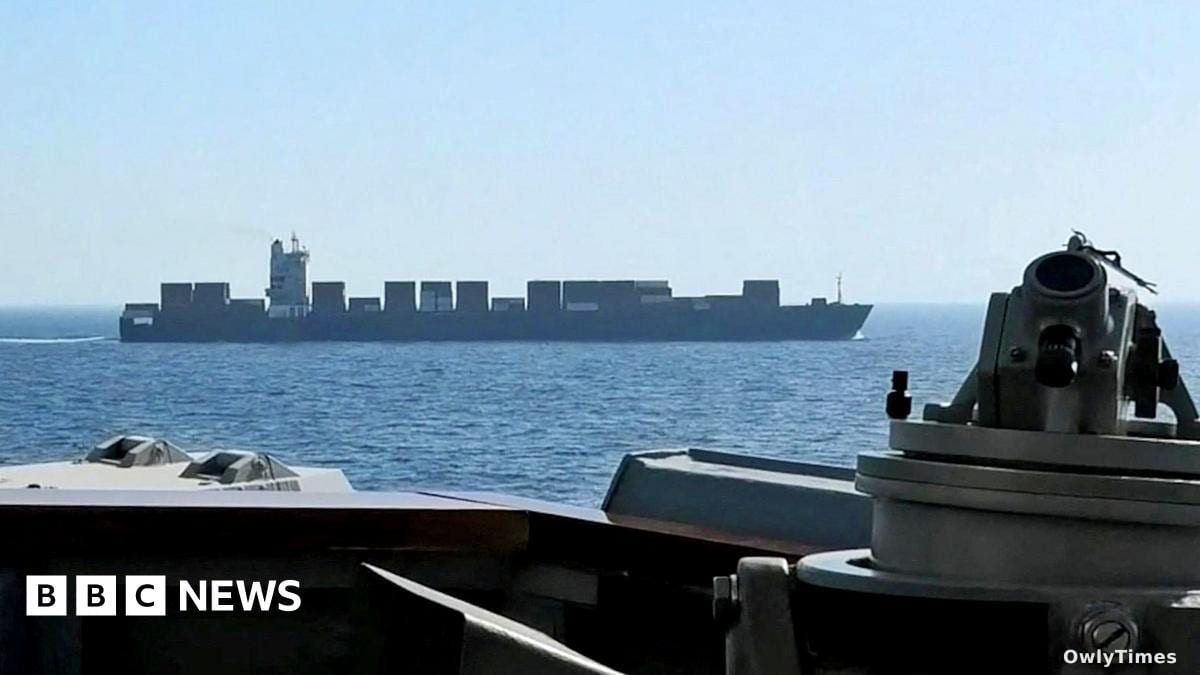

The strategic calculus behind the current US-Iran standoff is a high-stakes game of attrition where the primary objective is to define the "pain threshold" of the adversary before the Wednesday ceasefire deadline. By maintaining a naval blockade in the Strait of Hormuz, the Trump administration is attempting to leverage economic strangulation—costing Iran an estimated $500 million per day—to force a structural shift in regional power dynamics. Conversely, Iran’s refusal to confirm its attendance at the Islamabad talks serves as a tactical delay, aimed at testing whether the internal pressure of rising American gasoline prices will force the White House to blink first.
Who benefits and who loses in this volatility? Domestic energy markets are currently the clear beneficiaries of the supply disruption. With the Strait of Hormuz effectively closed since 28 February, global importers have pivoted to American crude, pushing exports to 5.2 million barrels per day in the week ending 10 April—the highest volume in seven months. The losers are the regional stability and the Iranian economy, which is grappling with the logistical fallout of the blockade. The reopening of Imam Khomeini and Mehrabad airports today suggests a localized attempt by Tehran to normalize internal commerce, even as the military and diplomatic fronts remain locked in a cycle of threats and counter-threats.
This confrontation draws sharp parallels to the "mission accomplished" era of the early 2000s, where initial military objectives were achieved with relative ease, only to dissolve into protracted, politically costly counter-insurgency efforts. President Trump has dismissed the notion that he is under pressure to reach a deal, yet he faces a tangible contradiction: he is simultaneously claiming victory and demanding an immediate, "far better" successor to the 2015 Joint Comprehensive Plan of Action (JCPOA). His insistence that time is not his adversary contrasts with the reality that public exhaustion regarding the conflict and the looming economic impact of energy prices could rapidly shorten his political runway.
The tension is exacerbated by the "blockade within the blockade" strategy described by former British Royal Navy commander Tom Sharpe. The White House is banking on the idea that economic pain will eventually override Iran’s ideological commitment to controlling the Strait, which Tehran views as a strategic deterrent and a potential revenue stream. However, Iranian Parliament Speaker Mohammad Bagher Ghalibaf has made it clear that Tehran will not negotiate under the "shadow of threat," signaling that the regime is willing to endure significant damage to protect its sovereign leverage. This puts the burden on the diplomatic teams—led by US Vice-President JD Vance and his Iranian counterparts—to find a middle ground that neither side currently seems prepared to concede.
The next reading of the Strait of Hormuz shipping data and the confirmation of whether delegations actually convene in Islamabad on Thursday will indicate whether this is a genuine pivot toward a new framework or merely a continuation of a deepening cycle of hostilities. With the ceasefire set to expire on Wednesday, the lack of official movement from the US delegation suggests that the window for a negotiated exit from this blockade is narrowing, placing the immediate future of the conflict in the hands of negotiators who have yet to move past their initial, unsuccessful weekend meetings on 11 and 12 April.





