
The chipped Formica of the diner booth felt cold under my elbows, even through the worn vinyl. Across from me, my friend Maya scrolled endlessly through TikTok, a glazed look in her eyes. “Did you see Pattinson and Zendaya are doing a rom-com?” she mumbled, not looking up. “An A24 rom-com? What is happening?” It felt like a perfectly calibrated cultural moment – a collision of blockbuster stars, indie credibility, and a genre desperately seeking reinvention. But beyond the headlines of celebrity pairings and studio branding, this casting signals something bigger: a shift in how we’re defining ‘prestige’ entertainment, and what audiences actually want right now.
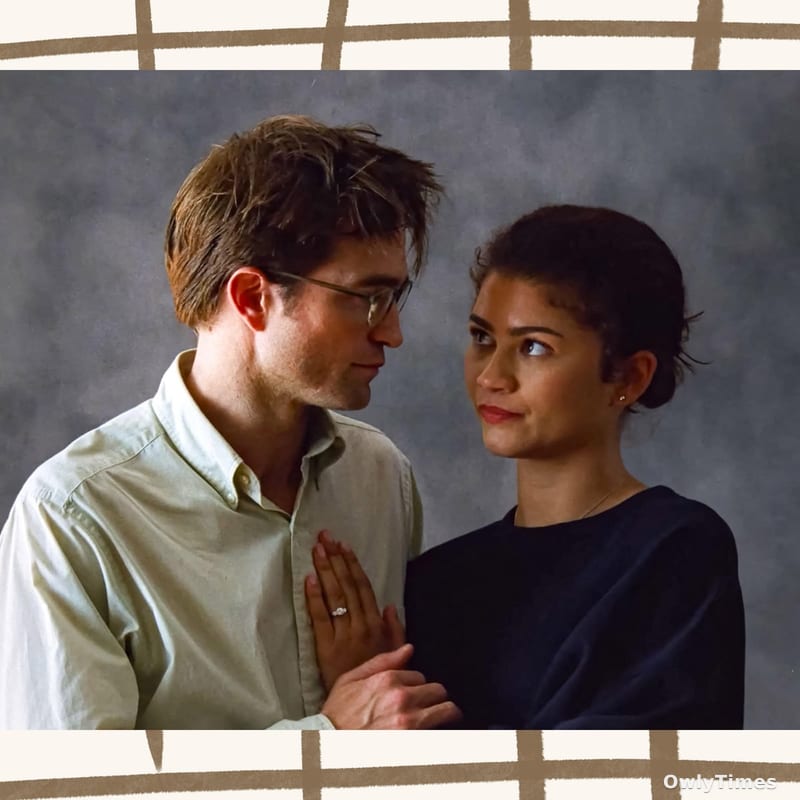
The announcement of Zendaya and Robert Pattinson starring in a dark romantic comedy directed by Kristoffer Borgli (of Dream Scenario fame) isn’t just casting news; it’s a statement. A24, once synonymous with unsettling horror and arthouse dramas, is flexing its muscles, proving it can attract A-list talent and tap into mainstream appeal. This isn’t a studio abandoning its identity, though. It’s a shrewd move to broaden its reach without sacrificing the qualities that made it successful – a willingness to take risks, a distinctive aesthetic, and a focus on compelling storytelling. Compare this to the traditional studio model, where a rom-com would be seen as a ‘safe’ bet, a palate cleanser between franchise installments. A24 is flipping that script, suggesting that ‘prestige’ can coexist with popular genres. The fact that this pairing is generating so much buzz – even before a plot synopsis beyond “a couple whose relationship is tested by new information” – speaks volumes about the public’s appetite for something different.
That hunger for something different extends beyond the silver screen. The release schedule this week is a fascinating microcosm of the entertainment landscape. Alongside the star-powered rom-com, we have a documentary revisiting Kim Novak’s iconic performance in Vertigo, directed by Alexandre O Philippe. This isn’t simply nostalgia; it’s a re-examination of a cinematic masterpiece through a contemporary lens, exploring themes of obsession and the male gaze that resonate even more powerfully today. Then there’s The Super Mario Galaxy Movie, a family-friendly animation banking on the enduring appeal of a video game franchise, and Fuze, a thriller from David Mackenzie featuring a stellar cast navigating a tense situation involving a WWII bomb. The sheer variety is striking, and it reflects a fragmented audience with increasingly diverse tastes. The box office numbers will be telling; in 2023, family films dominated the Easter holiday, grossing an average of $145 million domestically, but the success of smaller, critically acclaimed films like Past Lives demonstrated that audiences are still willing to seek out thoughtful, character-driven stories.
This article draws on reporting from The Guardian.
The gig circuit echoes this diversification. Jessie J’s tour, following the success of her album Don’t Tease Me With a Good Time, represents a comeback story, a testament to resilience in an industry that often prioritizes novelty. But alongside established artists, we see a resurgence of interest in figures like Jamie Woon, who disappeared from the spotlight for over a decade before returning with a critically acclaimed new album. His return isn’t about chasing trends; it’s about artistic evolution and a willingness to experiment. And then there’s the National Youth Orchestra, consistently pushing boundaries with performances that blend classical music with unexpected elements like choreography and kazoos. This isn’t just about training young musicians; it’s about fostering creativity and challenging conventional notions of what an orchestra can be. The fact that these performances are selling out suggests a growing appetite for live music experiences that are both innovative and emotionally resonant.
Even in the realm of ‘staying in,’ the trends are revealing. The revival of Malcolm in the Middle on Disney+ taps into the nostalgia for 2000s sitcoms, while new series like Twenty Twenty Six offer a satirical take on contemporary bureaucracy. The proliferation of streaming services has created a paradox of choice, but it’s also allowed niche genres and independent artists to find an audience. The release of Thundercat’s new album, Distracted, exemplifies this, showcasing a genre-bending artist who thrives on experimentation. And the availability of free resources like Harvard’s Ancient Greek course on YouTube demonstrates a growing desire for lifelong learning and accessible education. This isn’t just about entertainment; it’s about self-improvement and intellectual curiosity. The question now is whether this fragmented landscape will lead to a further splintering of cultural attention, or whether shared experiences – like a viral TikTok moment or a critically acclaimed film – can still unite us. Will the industry adapt to cater to these increasingly diverse and discerning audiences, or will it continue to rely on established formulas and blockbuster franchises? The Zendaya-Pattinson rom-com, in its own quirky way, might just offer a glimpse of the future.