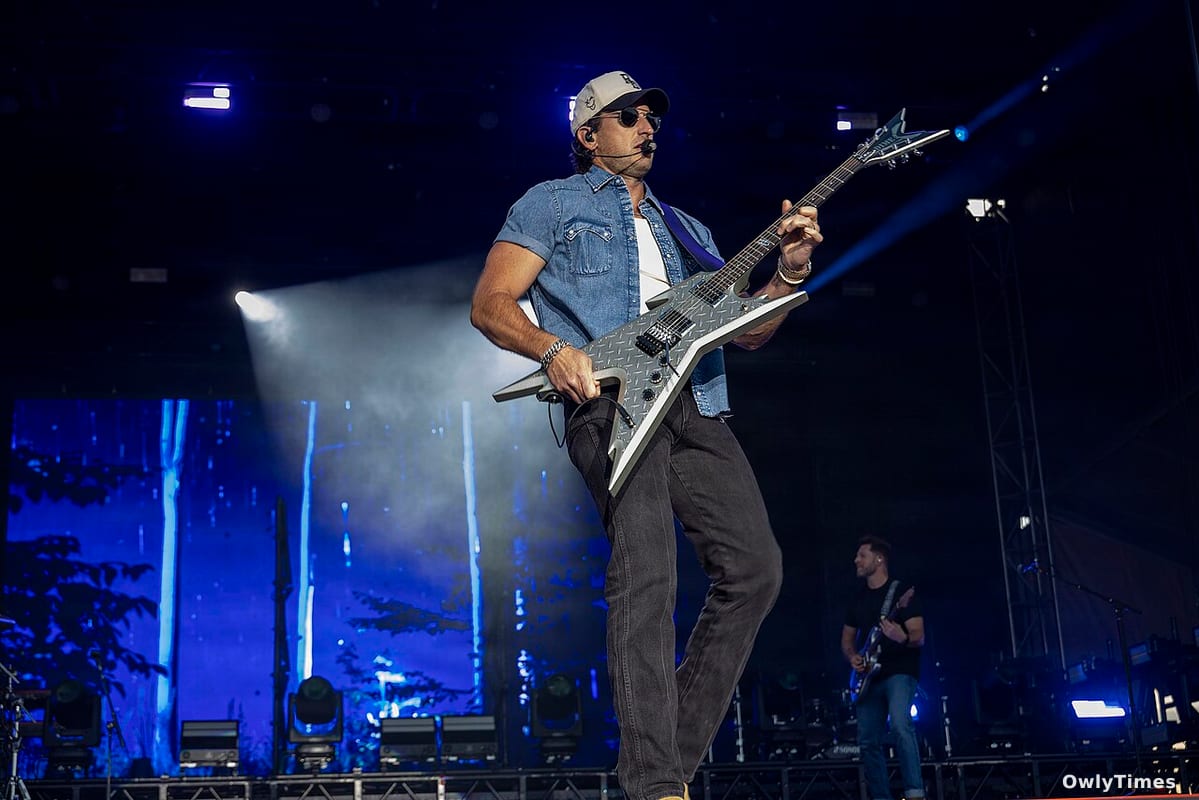

The scent of saltwater taffy and sunscreen hung thick in the air on Pensacola Beach Tuesday evening, a familiar prelude to summer even as April winds still carried a chill. But the real draw wasn’t the ocean breeze; it was the promise of The Calverts taking the stage for Bands on the Beach, a free concert series that’s become a cornerstone of the local scene. More than just a weekly gig, this event – and the packed calendar of happenings across Escambia and Santa Rosa counties this week – speaks to a larger cultural current: a deliberate, almost defiant, embrace of live experience in a world increasingly mediated by screens.
It’s a fascinating moment for the entertainment industry. While streaming numbers continue to climb, and digital content dominates our attention, the demand for shared, physical experiences is surging. Consider the lineup at the Saenger Theatre this week: a full-scale production of Mrs. Doubtfire, a musical adaptation of a beloved film, commanding ticket prices starting at $57. That’s a significant investment, especially for a family, and it’s not driven by necessity – you can watch the movie at home for a fraction of the cost. What you can’t replicate at home is the collective gasp of laughter, the energy of a live performance, the feeling of being part of something bigger. This isn’t simply nostalgia; it’s a hunger for connection.
Beyond the headlines of concert schedules and festival announcements, there’s a quiet recalibration happening. The pandemic forced a reckoning with the value of live events, and audiences emerged with a renewed appreciation for the communal aspect of entertainment. The Navy Federal 5K on Saturday, benefiting Vet’s Wish, exemplifies this. It’s not just a race; it’s a community gathering, a chance to support veterans, and a physical manifestation of shared purpose. Early registration at $18 demonstrates a willingness to pay for that experience, a tangible commitment beyond simply consuming content. The Sammie Sprint, a free quarter-mile race for young children, further underscores the event’s focus on inclusivity and community building.
This week’s offerings aren’t limited to large-scale productions or athletic events. The Draw Together Drawing Club at The Handlebar on Wednesday, a free event for all ages and skill levels, highlights the importance of accessible creative outlets. Similarly, St. Christopher’s Concerts on Thursday, featuring Jo Jo and the Lost Boys, offers a family-friendly atmosphere and free admission, removing financial barriers to participation. These smaller, localized events are crucial for fostering a vibrant cultural ecosystem, providing platforms for emerging artists and strengthening community bonds. The Spring Festival of Flowers in Milton, a free event drawing plant enthusiasts from across the region, demonstrates the power of shared passions to bring people together.
Source material: pnj.com.
But the calendar also reveals tensions. The sheer volume of options – from the high-energy rock of Hail The Sun and Foxy Shazam at Vinyl Music Hall on Friday ($41.75 a ticket) to the intimate drag show at The Handlebar – speaks to a fragmented attention economy. How do event organizers cut through the noise? How do they ensure that these experiences remain accessible to a diverse audience, particularly as costs continue to rise? The success of events like Bands on the Beach, which remains free, suggests that accessibility is key. The contrast with the $37 starting price for Gabriel Fluffy Iglesias at the Pensacola Bay Center is stark, raising questions about who gets to participate in the cultural conversation. And as Surfer Girl takes the stage at Vinyl Music Hall on Sunday, will the venue’s all-ages policy attract a truly diverse crowd, or will it primarily cater to a specific demographic? The industry is navigating a delicate balance between maximizing revenue and fostering inclusivity, and the answers will shape the future of live entertainment.
Will the current appetite for live experiences translate into sustained support for local arts and music scenes, or will it prove to be a temporary post-pandemic surge? That’s the question organizers, artists, and audiences alike will be watching closely in the months to come.