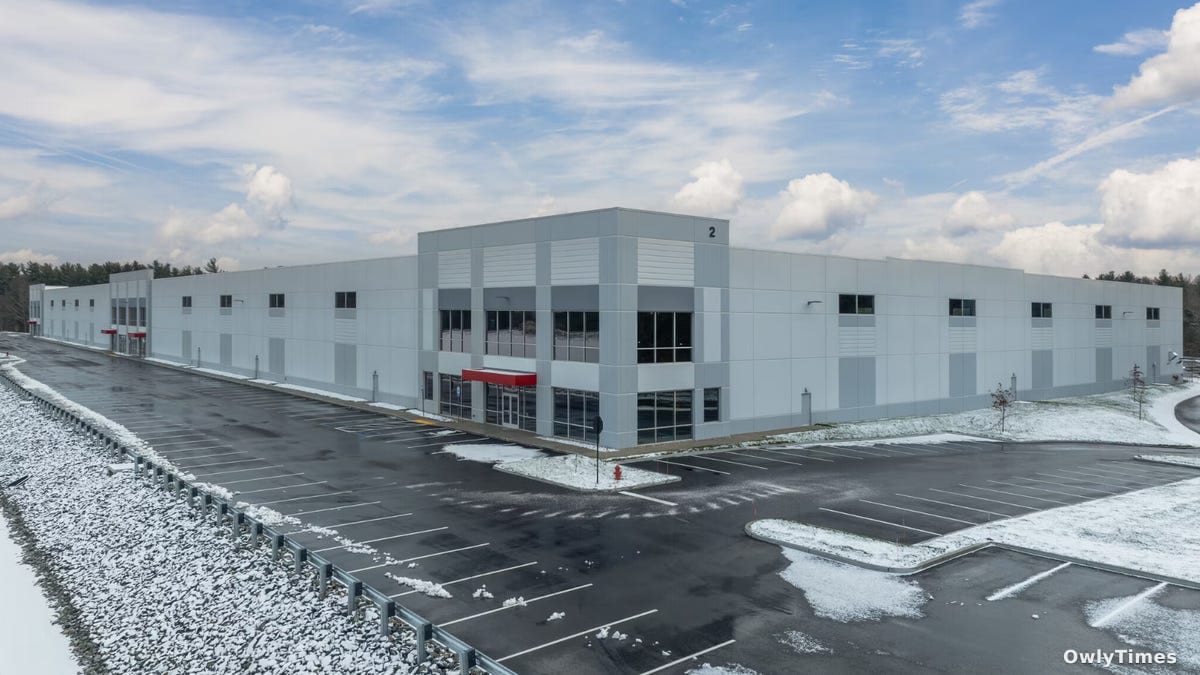

A 255,000-square-foot industrial footprint now serves as the anchor for the economic transformation of Taunton, Massachusetts, as Primo Brands prepares to occupy the former site of the Silver City Galleria Mall. By securing this massive parcel for a specialized bottling facility, the North American beverage giant is making a calculated bet on regional distribution efficiency. This move signals a pivot from retail-centric land use to high-capacity industrial production, leveraging the site’s infrastructure to support a portfolio that includes Poland Spring, Saratoga, Deer Park, Arrowhead, Pure Life, and Zephyrhills.
Repurposing the Galleria for Industrial Scale
The transition from a shuttered shopping mall to the Silver City Business Park is not merely a change in zoning; it represents a deliberate effort to solve logistical bottlenecks. BlueTriton Brands, Inc., an operating subsidiary of Primo Brands, will house one of the largest facilities dedicated to 3- and 5-gallon polyethylene terephthalate (PET) bottling at this location. For a company like Primo, which manages a vast network of water brands, the ability to centralize production in a facility capable of meeting "heavy utility requirements" is a prerequisite for scaling operations.
Follow the money, and it is clear why this site was chosen. Charles Pinkham III, Executive Vice President of Development for Portman Industrial, noted that the site offered a "rare opportunity" that satisfied specific operational needs, including robust site security and parking capacity. The collaboration between Portman Industrial, the city, and commercial real estate group CBRE was essential in securing the tenant. By aligning municipal planning, water, and sewer departments under the administration of Mayor Shaunna O’Connell, the city effectively de-risked the site for a major manufacturer.
Infrastructure as a Competitive Advantage
The strategic appeal of the Silver City Business Park lies in its connectivity. Both Pinkham and Jay Pateakos, Executive Director of the Taunton Office of Economic and Community Development, pointed to the site’s direct ramp access to Route 140 and its proximity to the Route 24 highway as decisive factors. For a business that relies on the consistent, high-volume transport of heavy liquid goods, proximity to these arterial transit corridors translates directly into lower per-unit transportation costs.
This development is designed to be the "breaking of the seal" for the site’s future growth. As the first tenant to occupy the three warehouse-sized buildings at the park, Primo Brands is absorbing the initial uncertainty inherent in redeveloping complex commercial land. According to Pateakos, this move has already triggered a secondary effect, with the city receiving increased interest from additional firms looking to secure space in the park.
Economic Impact and Future Growth
While the facility is slated to begin operations in the fall of 2026, the immediate economic ripple effect is measured in job creation. Pateakos projects that the facility will bring 50 to 75 new jobs to the area. For investors and residents alike, this transition from a defunct retail destination to a productive industrial hub provides a clear indicator of the city’s long-term fiscal strategy.
The next reading of site occupancy rates at the Silver City Business Park will indicate whether Primo’s arrival effectively catalyzes the sustained industrial interest the city is targeting. For the local workforce and regional supply chain observers, the transition toward the 2026 operational launch date remains the primary metric to watch.





