
Is anyone in Washington actually paying attention to the fact that the future of computing – and, frankly, national power – isn’t being debated in terms of gigahertz and RAM anymore? It’s being debated in terms of qubits and entanglement, and the US is currently fumbling the ball. The real story here isn't the dazzling potential of quantum computing – everyone’s talking about that – it’s the increasingly precarious position the United States finds itself in as other nations aggressively build out quantum infrastructure while key legislation remains stalled in Congress.
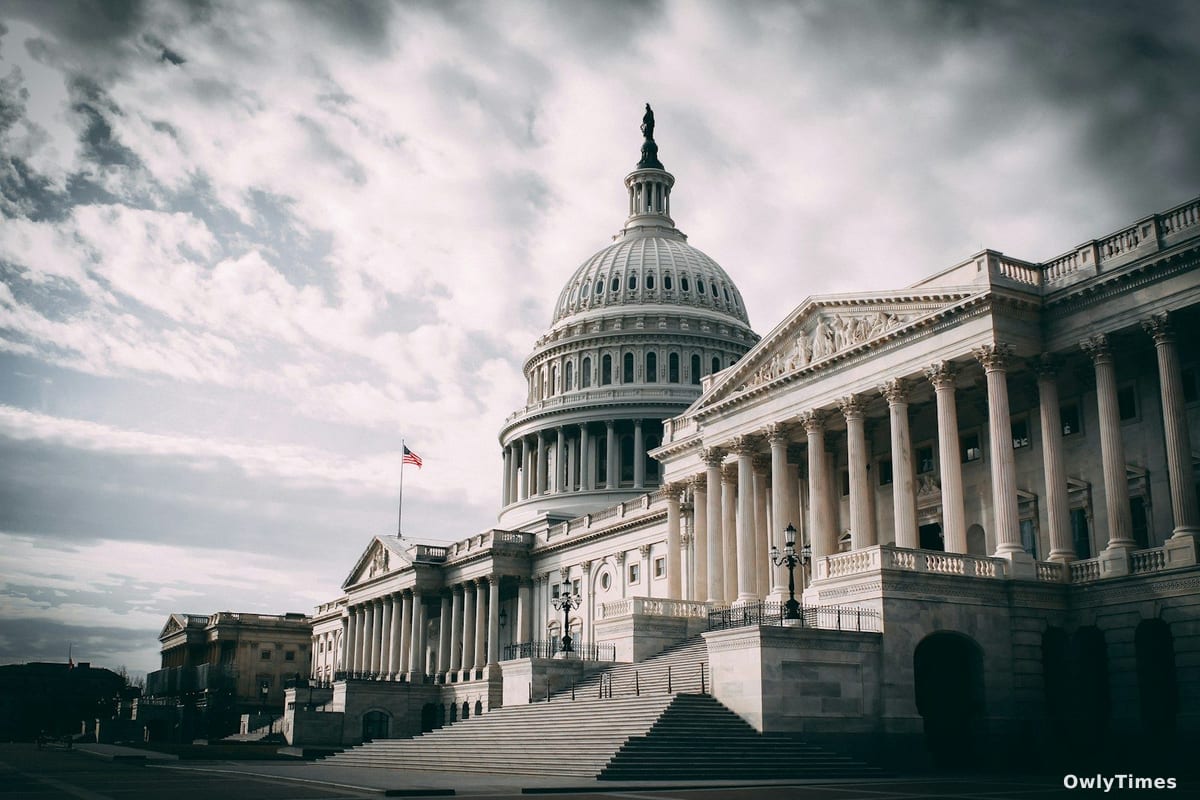
Spending time on Capitol Hill this week, Matt Cigmalia observed a growing consensus that quantum technology is moving beyond the lab and into the realm of practical application. This isn’t a theoretical exercise anymore. But that alignment is rapidly becoming overshadowed by frustration. Despite years of building momentum, the reauthorization of the National Quantum Initiative (NQI), the foundational framework established in 2018, is stuck in neutral. The NQI, which initially provided a crucial federal boost to quantum research, is now facing an uncertain future, and the delay is more than just bureaucratic inertia.
The shift from research to commercialization is happening now. The US is no longer competing to discover the principles of quantum mechanics; it’s competing to build the quantum computers, develop the quantum software, and secure the quantum supply chains that will define the next era of technological dominance. This isn’t just about faster processing speeds. It’s about breaking current encryption methods, designing new materials, and revolutionizing fields like medicine and finance. And other countries are taking this seriously. The United Kingdom, Germany, France, and Japan have all launched national quantum strategies, while China has reportedly invested tens of billions of dollars into the field – a figure that dwarfs current US federal spending. To put that in perspective, the initial NQI authorization was for $1.274 billion over ten years.
Source material: thequantuminsider.com.
Recent disruptions in the semiconductor supply chain served as a stark warning about the dangers of technological dependence. Policymakers are now acutely aware that relying on foreign sources for critical technologies can quickly become a national security vulnerability. This realization is driving a new focus on building a resilient quantum infrastructure within the US, but that requires more than just good intentions. It requires funding, coordination, and a clear long-term strategy. Senators like Todd Young, Mark Kelly, Andy Kim, Marsha Blackburn, Steve Daines, and Ted Budd, alongside Representatives including Joe Morelle, seem to grasp this urgency, recognizing the intersection of economic competitiveness and national security.
However, translating that understanding into action is proving difficult. A bipartisan bill led by Senators Kirsten Gillibrand and Chuck Schumer, alongside Marsha Blackburn and Representatives Jay Obernolte and Laura Gillen, aims to accelerate American quantum innovation through expanded investment and commercialization pathways. But even this promising legislation is facing headwinds. A recent attempt to mark up the NQI reauthorization in the Senate Commerce Committee was derailed by a dispute over unrelated legislative language, with Democratic members boycotting the session and preventing a quorum. The committee is now in recess, pushing the earliest possible revisit to late April, and with the looming summer recess and midterm elections, the timeline for reauthorization is increasingly uncertain.
Industry leaders from companies like IonQ, D-Wave, Quantinuum, IBM, and Google are consistently delivering the same message: sustained investment and coordinated execution are essential. Fragmented progress won’t cut it. But the current legislative gridlock sends a clear signal – and not a positive one – to the private sector. It’s a signal that the US government may not be fully committed to leading the quantum revolution. While states and municipalities are stepping up to fill the void with hundreds of millions of dollars in investment, these efforts are often localized and lack the scale and coordination of a national strategy.
The foundation for quantum leadership is in place, and the urgency is understood by a growing number of policymakers. But execution remains the critical challenge. Expect to see a surge in state-level quantum initiatives in the coming months, as governors and legislatures attempt to capitalize on the federal inaction. But ultimately, the US will need a cohesive national strategy, backed by sustained funding and a clear commitment to long-term leadership. Otherwise, we risk watching the quantum future unfold – not in Silicon Valley, but in Beijing.