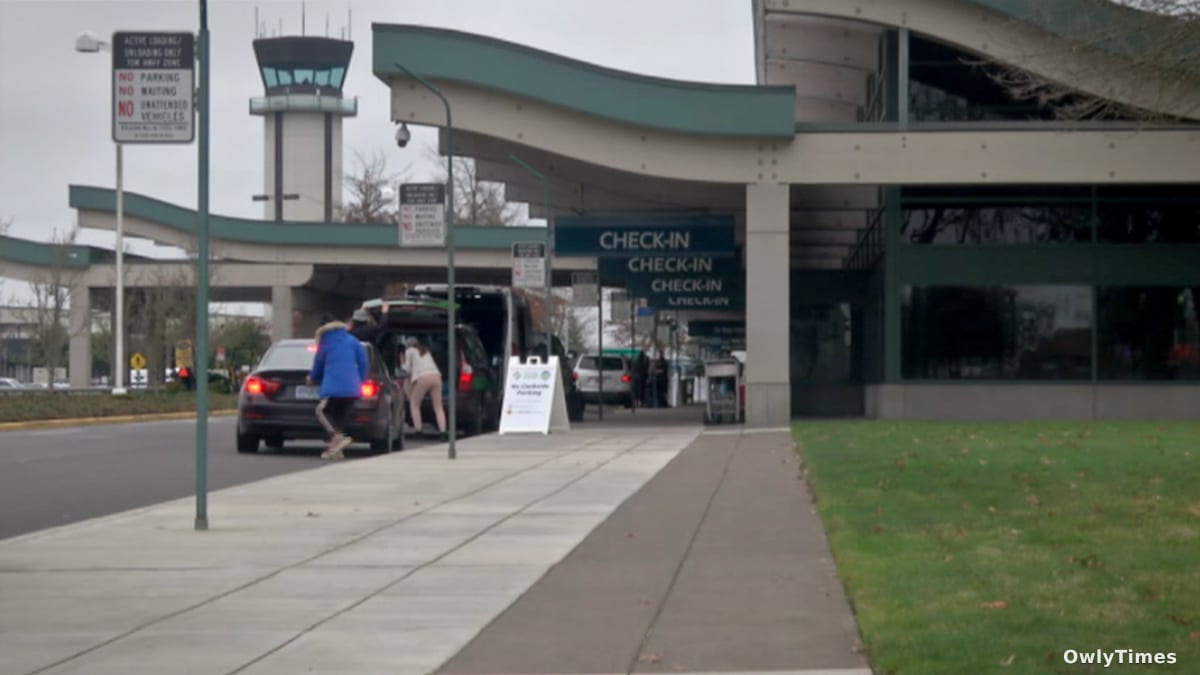

The $8.3 Billion Gamble: Why Eugene Airport’s Calm is a National Warning Sign
$8.3 billion. That’s the estimated annual payroll for the Transportation Security Administration (TSA), and it’s the silent pressure building beneath the surface of seemingly normal operations at regional airports like Eugene Airport (EUG). While Andrew Martz, EUG’s director, reports “business as usual” as of March 23, 2026, the impending missed paycheck on March 27th isn’t a localized issue – it’s a systemic risk assessment playing out in real-time, and the current calm is statistically unsustainable. The fact that EUG hasn’t yet seen impacts, despite escalating concerns nationally, isn’t reassuring; it highlights how much resilience is currently being absorbed by TSA staff working without pay.
The Paycheck Threshold: A Calculated Risk by the Federal Government
Transportation Secretary Sean Duffy’s public statement that staffing issues will “get even worse” after the second missed paycheck isn’t speculation, it’s a data-driven prediction. Historical precedent from previous government shutdowns – 2013, 2018-2019 – demonstrates a clear correlation between missed paychecks and increased TSA agent absenteeism. In the 2018-2019 shutdown, the TSA saw a 6% increase in “sick calls” after the first missed paycheck, and a staggering 25% increase after the second. Extrapolating those figures to the current TSA workforce of roughly 62,000 employees suggests a potential loss of 3,720 agents after the first missed check, and 15,500 after the second. Duffy’s statement isn’t a warning; it’s an acknowledgement of a predictable outcome based on past performance. The government is, in effect, betting that agents will continue working unpaid for longer than previous shutdowns lasted.
Based on the original kpic.com report.
Eugene’s Anomaly: A Statistical Outlier or a Temporary Reprieve?
The contrast between EUG’s reported normalcy and the national narrative is striking. While larger airports are already reporting longer wait times, EUG’s relatively smaller scale – serving approximately 1.7 million passengers annually – may be buffering it from immediate impact. However, this isn’t a sign of immunity. EUG relies on a contingent of approximately 75 TSA agents. Even a 10% absenteeism rate, mirroring early stages of previous shutdowns, translates to 7-8 absent agents, potentially requiring overtime for remaining staff or, more critically, slowing down screening processes. The airport’s website banner proclaiming “normal operations” feels less like a confident assertion and more like a public relations strategy designed to minimize disruption and maintain passenger confidence – a necessary tactic, but one built on a precarious foundation.
Follow the Money: The Hidden Costs of Political Gridlock
The immediate financial impact is borne by the TSA employees themselves, but the broader economic consequences are far-reaching. The airline industry, already operating on thin margins, faces potential disruptions and increased costs. A 2019 study by Airlines for America estimated that the 35-day shutdown cost airlines $500 million in lost revenue. While a similar duration isn’t currently projected, even a week-long escalation could inflict significant damage. Beyond airlines, the travel and tourism sector – a $1.1 trillion industry in 2023 – is vulnerable. Reduced passenger confidence and potential flight cancellations ripple through hotels, restaurants, and local economies. The cost of not resolving the shutdown quickly isn’t simply measured in lost wages; it’s a drag on national economic growth.
What This Means for Your Wallet: Expect Increased Scrutiny and Potential Delays
The current situation at EUG, and across the country, isn’t sustainable. While security wait times haven’t yet been impacted, passengers should prepare for increased scrutiny and potential delays, particularly after March 27th. More importantly, this situation highlights the fragility of essential services reliant on a federal workforce operating under political uncertainty. The question isn’t if disruptions will occur, but when and how severe. Travelers should proactively check their airline’s status, arrive at the airport significantly earlier than usual, and factor in the possibility of unexpected delays. Beyond immediate travel plans, consumers should be aware that the costs of these disruptions – whether through higher ticket prices or economic slowdown – will ultimately be felt across the board. Are we prepared to accept this level of risk as a recurring feature of our political landscape?





