
The Calculus of Martyrdom: How Deranque’s Death Reshapes the French Political Landscape
The death of Quentin Deranque, a 23-year-old far-right activist, isn’t simply a tragedy; it’s a calculated risk now being exploited by multiple political factions in France, 15 months before a pivotal presidential election. The immediate aftermath – accusations flying between the left and right, pronouncements of a “turning point” in French politics – reveals a strategic scramble to define the narrative and claim the moral high ground. This isn’t about grief; it’s about leveraging a violent incident to consolidate support and delegitimize opponents. The speed with which both sides moved to assign blame, and the editorial framing of the event, underscores the pre-existing tensions and the willingness to weaponize tragedy.
Source material: france24.com.
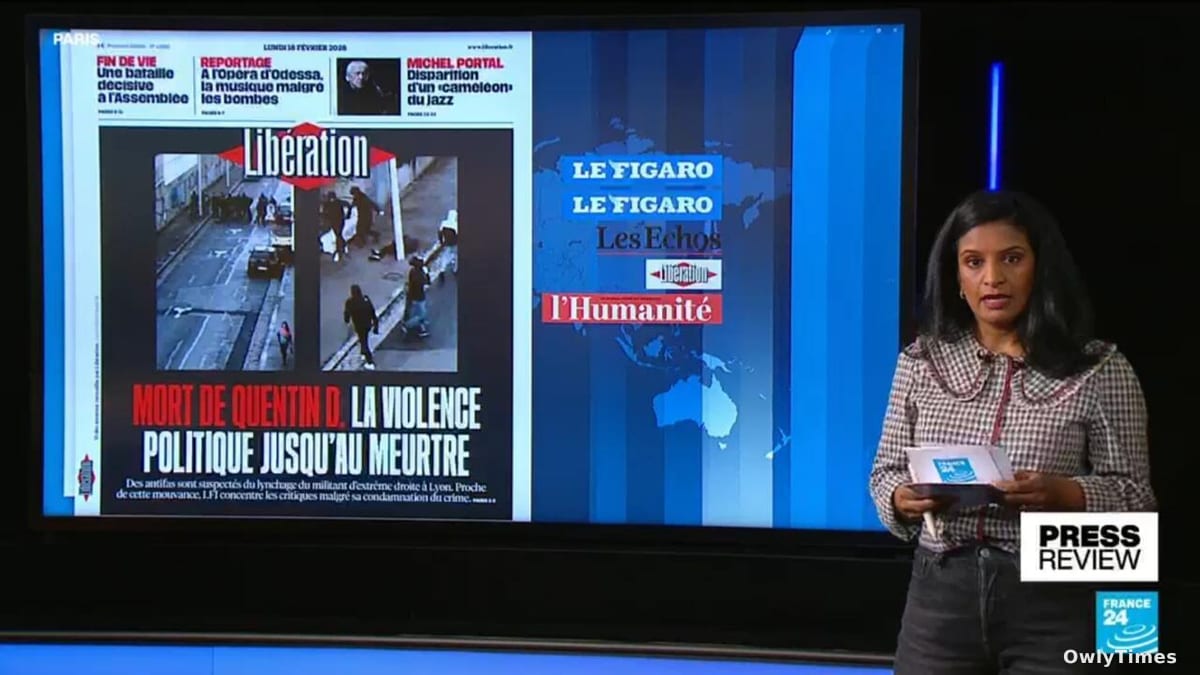
The core of the conflict lies in the framing of the event itself. Le Figaro’s editor’s declaration that Deranque was “not a militant killed in a street fight but a martyr for freedom of expression” is a deliberate act of political branding. This isn’t merely an opinion; it’s an attempt to elevate Deranque to a symbolic figure, a casualty in a supposed war against ideological repression. The accusation leveled against the far-left France Unbowed party of “feeding the political violence” is a direct attempt to link them to the physical act of violence and, by extension, to the broader climate of political animosity. This tactic mirrors historical precedents, such as the Roman Catholic Church’s elevation of early Christian martyrs to galvanize support during periods of persecution. The creation of a martyr figure serves to rally the faithful and demonize the opposition.
However, the narrative isn’t uncontested. Libération’s condemnation of the “unbearable climate of intolerance” points to a counter-framing: that the violence is a symptom of a deeper societal malaise, fueled by the normalization of extremist rhetoric from all sides. This perspective, echoed by L’Humanité’s assertion that the death is being “shamefully manipulated politically,” attempts to shift the focus from assigning blame for the specific act to addressing the systemic issues that allowed it to occur. This is a classic defensive maneuver, aiming to deflect accusations and reframe the debate as one of broader societal responsibility. The tension between these two narratives – individual culpability versus systemic failure – will likely dominate the coming weeks.
Beyond the immediate domestic implications, the incident arrives at a moment of heightened international scrutiny regarding political violence and state-sponsored repression. The parallel investigation into the death of Alexei Navalny, revealing the use of a deadly frog toxin, adds another layer of complexity. Five countries, including Britain, are considering additional sanctions against Russia, a move driven by the same impulse to hold perpetrators accountable for political violence. While the contexts are vastly different – a street brawl in Lyon versus alleged state-sponsored assassination in Russia – the underlying principle of responding to political violence with punitive measures remains consistent. British Foreign Minister Yvette Cooper’s statement signaling likely new sanctions demonstrates the international pressure to condemn such acts.
The contrast between the political turmoil in France and the celebratory atmosphere surrounding the Winter Olympics is stark. Records are tumbling for nations like Great Britain, France, Italy, and Norway, offering a temporary respite from the grim realities of geopolitical conflict and domestic unrest. The success of athletes like Charlotte Bankes and Huw Nightingale (Great Britain) and Federica Brignone (Italy) provides a much-needed boost to national morale. However, even these moments of national pride are subject to political interpretation. The Olympics, historically, have been used as soft power tools, projecting national strength and unity – a function that France, with its record-breaking medal count, is actively pursuing.
The political chess move to watch next isn’t whether further protests erupt, but how Marine Le Pen and the Rassemblement National will integrate Deranque’s death into their presidential campaign. Will they fully embrace the “martyr” narrative, risking further polarization? Or will they attempt a more nuanced approach, appealing to broader concerns about public safety and national unity? The answer will reveal the extent to which they are willing to gamble on exploiting tragedy for political gain, and will likely define the tone of the French presidential race.