
The persistent, and often unfounded, anxieties surrounding the health of public figures aren’t new, but the speed and reach of misinformation in the digital age demand a closer look at how these narratives take hold – and the surprisingly limited tools we have to counter them. The recent flurry of speculation regarding President Donald Trump’s well-being over Easter weekend, fueled by a single, ambiguous post on his social media account, isn’t simply a matter of idle gossip; it’s a case study in how easily anxieties can be weaponized and amplified, even when demonstrably untrue. While many Americans enjoyed traditional holiday activities, a significant segment of online discourse fixated on interpreting subtle cues, ultimately constructing a narrative of declining health unsupported by verifiable evidence. This isn’t about whether or not President Trump is healthy, but about the conditions that allow such claims to flourish and the implications for public trust.
The Anatomy of an Online Health Scare
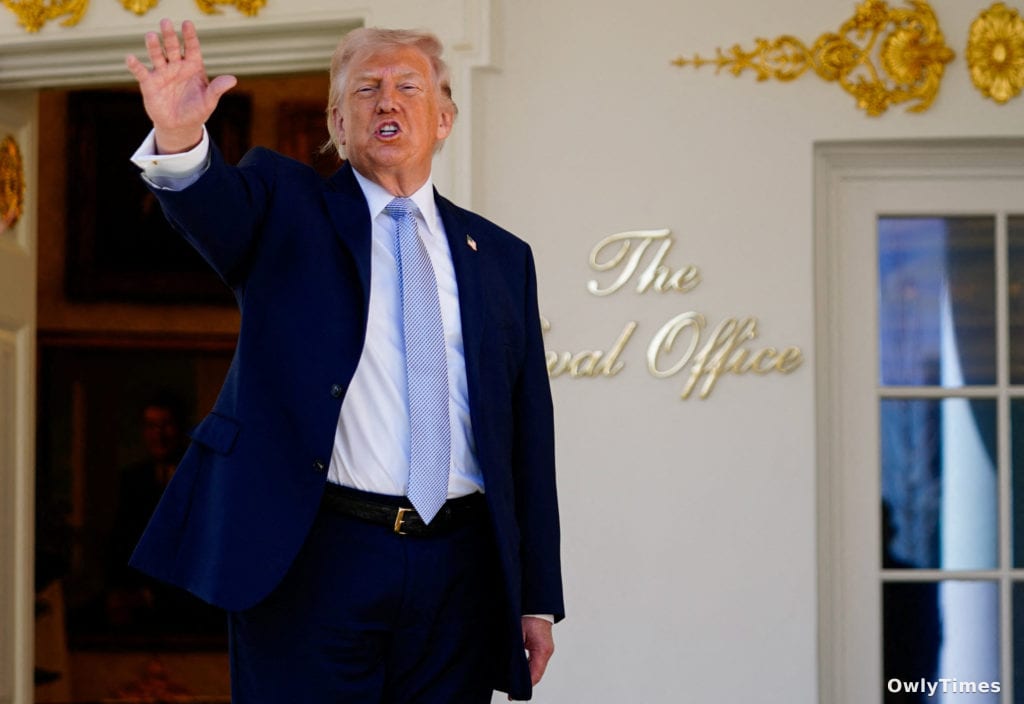
On April 1st, 2024, President Trump posted a message on Truth Social wishing his supporters a “Happy Easter.” The post included a photograph. Almost immediately, observers began dissecting the image, focusing on perceived irregularities – a slight blurriness, a perceived change in skin tone, and the fact that the video portion of the post was unusually short. These observations quickly morphed into assertions that President Trump was experiencing a health crisis, ranging from a stroke to a heart attack. The claims spread rapidly across platforms like X (formerly Twitter), Facebook, and TikTok, often accompanied by hashtags like #TrumpHealth and #TrumpIsSick. What’s crucial to understand is that this wasn’t a coordinated disinformation campaign originating from a single source. Instead, it was a decentralized, organic process of interpretation and amplification, driven by pre-existing anxieties and a willingness to accept unsubstantiated claims. The speed was remarkable; within hours, the narrative had gained significant traction, prompting responses from both supporters and detractors.
Drawn from PBS.
The core issue isn’t the initial observation – anyone can notice a perceived difference in an image. The problem lies in the leap from observation to diagnosis, and the subsequent dissemination of that diagnosis as fact. This phenomenon isn’t unique to President Trump; similar episodes have occurred with other high-profile figures, including President Joe Biden, and even celebrities like Taylor Swift. However, the political polarization surrounding President Trump undoubtedly intensified the speculation, with both sides potentially motivated to portray him in a particular light. It’s also important to note that the lack of readily available, detailed medical information about political leaders creates a vacuum that speculation readily fills. The White House, predictably, dismissed the claims as “ridiculous,” but offered no further details, a response strategy that, while understandable from a privacy perspective, inadvertently fueled further conjecture.
What the Study of Online Behavior Reveals
While there wasn’t a formal “study” conducted in response to this specific event, the situation perfectly illustrates findings from years of research into online misinformation and health anxieties. Dr. Renee DiResta, a researcher at the Stanford Internet Observatory, has extensively documented how online communities can rapidly construct and disseminate narratives based on limited information. Her work highlights the role of “micro-communities” – groups of individuals with shared interests and beliefs – in amplifying these narratives. In this case, pre-existing communities skeptical of President Trump were more likely to accept and share claims of ill health, while those supportive of him were quick to dismiss them. This illustrates the concept of “motivated reasoning,” where individuals interpret information in a way that confirms their existing beliefs. A 2023 Pew Research Center study found that 64% of Americans get their news from social media, and a significant portion of those users admit to encountering false or misleading information. This underscores the challenge of combating misinformation in a fragmented media landscape.
It’s also vital to distinguish between what headlines claim and what the underlying data actually shows. Many articles initially reported “concerns over Trump’s health,” which is accurate in the sense that concerns were expressed. However, few articles emphasized the lack of any concrete evidence supporting those concerns. The narrative quickly became one of a potential health crisis, despite the fact that the only “evidence” was subjective interpretation of a single photograph. This highlights the media’s role in amplifying speculation, even when it’s unsubstantiated. The focus shifted from “people are talking about Trump’s health” to “Trump is potentially ill,” a subtle but significant difference.
Limitations to Consider: The Problem of Proof
Assessing the impact of these online health scares is inherently difficult. It’s nearly impossible to quantify how many people genuinely believed the claims, or how those beliefs influenced their behavior. Furthermore, the very nature of social media makes it challenging to track the spread of misinformation accurately. Platforms are constantly evolving, and users can easily circumvent detection mechanisms. Another limitation is the inherent subjectivity of interpreting visual cues. What one person perceives as a sign of illness, another may see as simply a bad photograph. This underscores the limitations of relying on anecdotal evidence, particularly in the context of medical assessment. The absence of a formal medical evaluation makes any definitive conclusion impossible. We are left with speculation built upon speculation.
Future Scrutiny: The Need for Media Literacy and Transparency
The next crucial research step involves developing more effective strategies for identifying and debunking health-related misinformation online. This requires a multi-pronged approach, including improved algorithms for detecting false claims, increased media literacy education, and greater transparency from public figures regarding their health. Platforms need to be held accountable for the content they host, but censorship is not the answer. Instead, the focus should be on promoting critical thinking and providing users with the tools to evaluate information for themselves. Perhaps more importantly, we need to consider the ethical implications of speculating about someone’s health, even a public figure. What happens when this practice becomes normalized, and the line between legitimate inquiry and malicious gossip blurs? As the 2024 election cycle intensifies, we should anticipate a further escalation of these types of narratives. The question isn’t if another online health scare will occur, but how prepared we will be to respond to it responsibly and accurately.