
The Calculated Sacrifice at DHS: Trump Prioritizes Political Capital
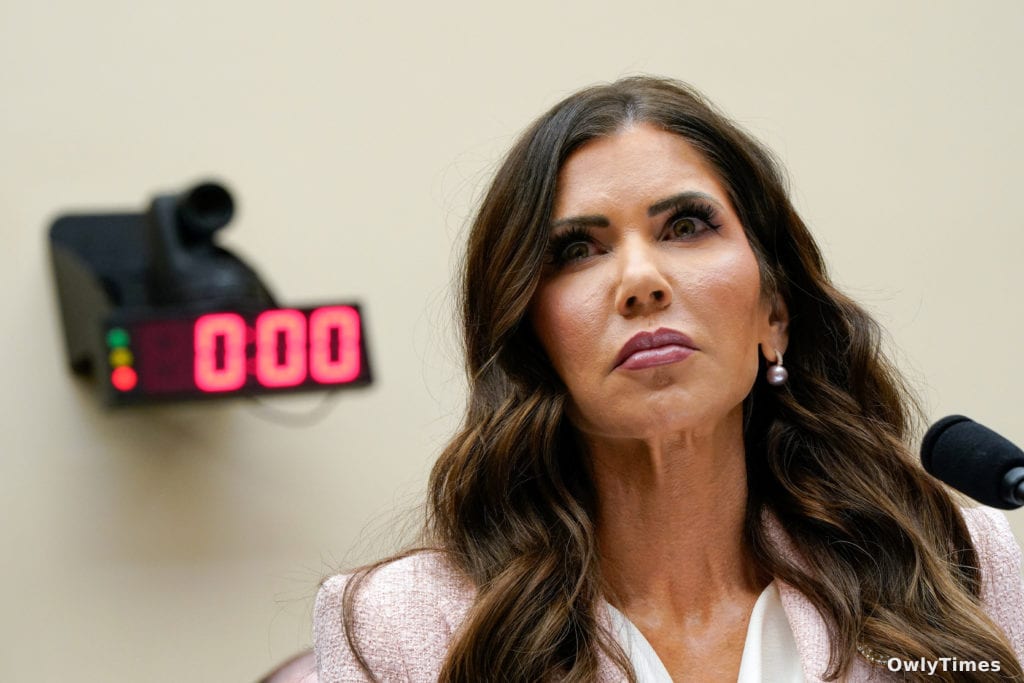
The firing of Kristi Noem as Homeland Security Secretary wasn’t a reaction to policy failure, but a preemptive maneuver to unlock stalled negotiations over DHS funding. President Donald Trump didn’t simply remove an underperforming cabinet member; he traded a loyalist to resolve a critical impasse, signaling a willingness to distance himself from increasingly problematic figures to secure legislative wins. The timing – coinciding with a 20-day partial government shutdown and a contentious congressional grilling – wasn’t coincidental. It was a calculated sacrifice designed to shift the bargaining power back to the White House.
This article draws on reporting from PBS.
The immediate beneficiaries are clear: Trump himself, who can now claim a willingness to address concerns about DHS leadership, and moderate Senate Republicans eager to end the shutdown without appearing to concede on immigration policy. The $220 million ad campaign featuring Noem, intended to encourage voluntary deportation, became a focal point of criticism, not for its policy implications, but for its blatant self-promotion using taxpayer funds. This detail, amplified by lawmakers like Senator Tillis, who publicly called for her resignation, transformed Noem from an advocate for the administration’s agenda into a liability. Conversely, those who lose include Noem herself, despite the face-saving appointment as “Special Envoy for The Shield of the Americas” – a position lacking defined authority or budget – and hardline immigration factions within the Republican party who championed her uncompromising approach. The appointment of Markwayne Mullin, a Senator from Oklahoma, suggests a shift towards a more pragmatic, deal-making approach.
This situation echoes the political dynamics of the Carter administration in the late 1970s. Faced with a stalled hostage crisis and economic woes, Jimmy Carter repeatedly reshuffled his cabinet, often sacrificing loyalists to project an image of decisive action and regain control of the narrative. While the contexts differ, the underlying principle remains the same: personnel changes can be powerful signaling tools, particularly when legislative progress is blocked. The key difference here is the explicit leveraging of Noem’s removal as a bargaining chip in ongoing negotiations, a level of transparency rarely seen in such transitions. The fact that Senate Republicans privately signaled to Democrats that Noem’s departure was imminent, hoping to unlock funding talks, underscores the transactional nature of the move.
The criticism surrounding Noem’s tenure extended beyond the ad campaign and the Minneapolis shooting deaths of protesters during immigration enforcement. Concerns over the department’s spending – billions allocated by Congress – and the slow pace of emergency funding through FEMA further eroded her standing. The shutdown itself, a consequence of disagreements over immigration enforcement tactics, highlights the inherent tension within the Republican party between those advocating for stricter border control and those prioritizing fiscal responsibility and government functionality. The 20-day shutdown, while disruptive, pales in comparison to the 35-day shutdown during the Trump administration in 2018-2019, suggesting a desire to avoid repeating that level of political damage.
The appointment of Mullin is not merely a personnel change, but a strategic realignment. The question now is whether Democrats will accept Noem’s removal as a genuine concession, or view it as a cynical ploy to force through funding for the administration’s immigration policies. Will Mullin, as the new DHS Secretary, be empowered to negotiate a compromise, or will he be expected to simply implement the President’s agenda? The next political chess move to watch is whether the Senate can swiftly confirm Mullin and, more importantly, whether his confirmation unlocks a pathway to ending the DHS shutdown and resuming normal government operations.