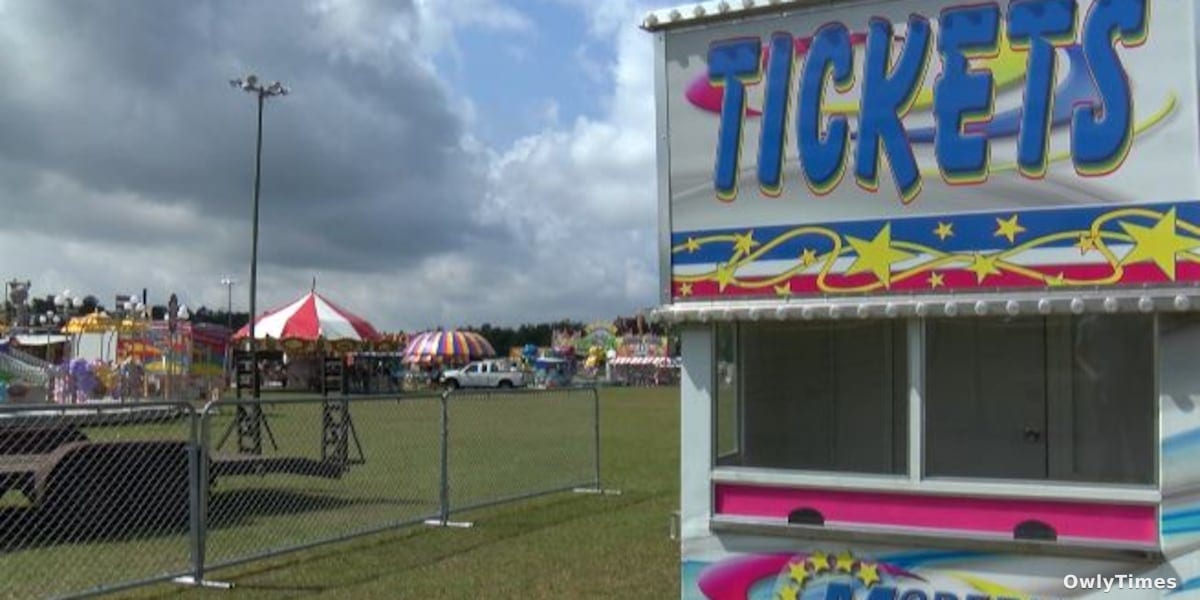

The scent of fried dough and the dizzying whirl of carnival lights – it’s a sensory overload that signals more than just the arrival of spring in Rincon, Georgia. It’s a carefully calibrated economic boost, a community touchstone, and a reminder of a very specific kind of American leisure that’s increasingly under pressure. The 9th Annual Rincon Spring Fair, returning April 3rd through the 12th, isn’t just about goat islands and banana derbies; it’s a microcosm of how small towns are navigating the shifting landscape of family entertainment in a post-pandemic world.
A $5 Ticket to Community Connection
At $5 admission, the Rincon Spring Fair is deliberately positioned as accessible. This isn’t a Disney-level investment; it’s a weeknight outing, a chance for local families to connect without breaking the bank. In a county where the median household income is roughly $73,000 – according to the latest U.S. Census Bureau data – that affordability is key. Compare that to the average family of four spending over $1,000 on a single day at a major theme park, and the Rincon fair represents a radically different economic equation. City of Rincon officials are betting on that appeal, hoping to draw not just Effingham County residents but visitors from surrounding areas. The $31.99 unlimited ride wristband, valid for a single day, further underscores this strategy: a contained splurge, designed for a focused burst of fun.
Original reporting: wtoc.com.
Beyond the Midway: The Rise of “Local-cation”
The fair’s return comes at a pivotal moment for the entertainment industry. While large-scale concerts and destination resorts are rebounding, smaller, community-based events are facing unique challenges. The pandemic accelerated a trend towards “local-cation” – people rediscovering the attractions in their own backyards – but sustaining that momentum requires deliberate effort. The Rincon Spring Fair, organized in partnership with Modern Midways, is a prime example of this. Modern Midways specializes in bringing these kinds of events to smaller communities, filling a gap left by the decline of traditional town squares and local festivals. This isn’t about competing with Disney World; it’s about providing a viable alternative for families who simply can’t afford, or don’t desire, that level of spectacle.
The All-American Appeal: Nostalgia and the Family Unit
The attractions themselves – the All-American Petting Zoo, Goat Island, the Banana Derby, the Fearless Flores Family – are deliberately nostalgic. They tap into a shared cultural memory of simpler times, of family-friendly entertainment that doesn’t rely on sophisticated technology or edgy content. This isn’t accidental. In an era of increasing screen time and fractured attention spans, these attractions offer a tactile, shared experience. The petting zoo, for example, provides a direct connection to the natural world, while the Banana Derby – monkeys racing miniature bikes – is pure, unadulterated silliness. These aren’t experiences you can replicate on TikTok. They require physical presence, shared laughter, and a willingness to embrace the slightly chaotic energy of a carnival.
What This Means for Small Town Economies
The Rincon Spring Fair’s success isn’t just about fun and games. It’s about economic impact. While the city hasn’t released specific revenue projections, similar fairs in comparable communities generate hundreds of thousands of dollars in local spending. Food vendors, local businesses, and even nearby hotels benefit from the influx of visitors. But the real value may lie in the intangible benefits: a sense of community pride, a boost to local morale, and a reminder that Rincon is a place where families can come together and create lasting memories. The question now is whether this model can be sustained in the face of rising costs and changing consumer preferences. Will families continue to prioritize these affordable, local experiences, or will they be drawn to the allure of bigger, more extravagant attractions? The answer will likely determine the future of community-based entertainment in towns like Rincon – and offer a crucial lesson for how small towns can thrive in the 21st century.