
The narrative around higher education costs often centers on soaring tuition and student debt, but a quieter story is unfolding at institutions like Rocky Mountain University of Health Professions (RMU) in Provo, Utah. It’s not simply about affordability, but about a deliberate recalibration of the university model – one that prioritizes demonstrable return on investment in a rapidly evolving healthcare landscape. While headlines frequently lament the financial burdens of advanced degrees, RMU is betting on a different equation: focused, professional training directly linked to high-demand jobs, and a commitment to transparent, predictable costs for students. This isn’t a rejection of traditional academic values, but a pragmatic response to a market demanding skilled healthcare professionals and accountability for educational spending.
Founded over 25 years ago by retired Navy healthcare professionals Richard Nelson and Michael Skurja Jr., alongside Larry Hall of Brigham Young University, RMU emerged from a simple question posed over a Sizzler restaurant booth: what gaps existed in healthcare education? The founders, lacking initial capital, relied on personal resources and a vision of improving lives through targeted training. This origin story is crucial because it explains the institution’s continued sensitivity to market forces. As a for-profit, private institution without public funding, RMU operates under a different set of constraints than many state universities, forcing a constant evaluation of program relevance and student outcomes. Cameron Martin, the current President, emphasizes this point, stating the university “lives and dies by the market.”
This market-driven approach isn’t simply about chasing trends, however. Martin’s personal experience – enduring a subarachnoid brain hemorrhage and witnessing his wife’s heart attacks – profoundly shapes his leadership. He explicitly frames his role as bringing “the voice of the patient” into business discussions, ensuring that curriculum and clinical training remain centered on real-world needs. This perspective is a powerful counterpoint to the often-abstract debates surrounding higher education reform. It’s a reminder that the ultimate measure of success isn’t research output or prestige, but the quality of care delivered to individuals. RMU’s focus on graduate-level healthcare degrees – encompassing physical therapy, optometry, nursing, and more – reflects this commitment to direct impact.
RMU’s financial model is equally noteworthy. Unlike many institutions, RMU maintains a flat tuition rate for each incoming cohort, offering students certainty about their total cost of attendance. While this strategy results in “razor thin” margins, it addresses a major source of student anxiety and allows for more accurate financial planning. This commitment to transparency is backed by impressive student success metrics: a 91% retention rate, 87% graduation rate, and a remarkable 97% employment rate, coupled with a zero percent student loan default rate. These numbers stand in stark contrast to national averages, where student loan debt continues to climb and default rates remain a significant concern. The fact that 77% of students receive federal financial aid highlights the ongoing need for accessible funding, even within a relatively affordable framework.
This piece references the deseret.com report.
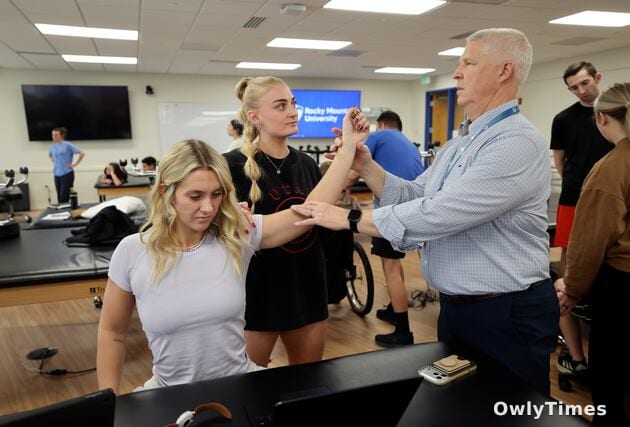
However, it’s important to consider the limitations of these figures. RMU’s success is, in part, predicated on its selective program offerings and a student body actively seeking career-focused training. The 97% employment rate, while impressive, doesn’t reveal details about the types of jobs secured or long-term career trajectories. Furthermore, the lack of tenure for faculty, while promoting clinical engagement – with faculty spending one day a week in practice – could potentially impact research output and long-term institutional knowledge. The emphasis on practical skills, exemplified by the anatomy lab utilizing cadavers and simulated clinical environments, is a strength, but it’s crucial to ensure that students also develop critical thinking and research skills necessary for lifelong learning.
Looking ahead, RMU is actively forging partnerships with institutions like Utah Valley University, allowing students to complete undergraduate studies there before transitioning to RMU’s graduate programs. This collaborative approach aims to accelerate the pathway to professional practice and address workforce shortages. The Rocky Mountain University Foundation’s operation of six community health clinics further underscores this commitment to both education and service, providing valuable clinical experience for students while addressing unmet healthcare needs in the community. The key question now is whether RMU’s model – prioritizing market relevance, transparent costs, and demonstrable outcomes – can be scaled and replicated by other institutions facing similar pressures. Will we see a broader shift towards competency-based education and a greater emphasis on the direct return on investment for students pursuing professional degrees? The coming years will reveal whether RMU’s approach represents a sustainable solution or a niche success story.





