
The chipped Formica of the diner booth felt cold under my elbows as I overheard the conversation at the next table – another round of Roanoke residents dissecting the casino proposal. It wasn’t about the potential tax revenue, or the promise of jobs. It was about what a casino felt like, a looming presence threatening to overshadow the city’s character. For months, the debate over bringing a casino to the Berglund Center has been a pressure test for Roanoke, revealing a community grappling with its identity and future. But recent developments suggest the city isn’t necessarily doubling down on the gamble, and is instead listening to a chorus of voices demanding something different.
A Shift in the House: Roanoke Reconsiders the Casino
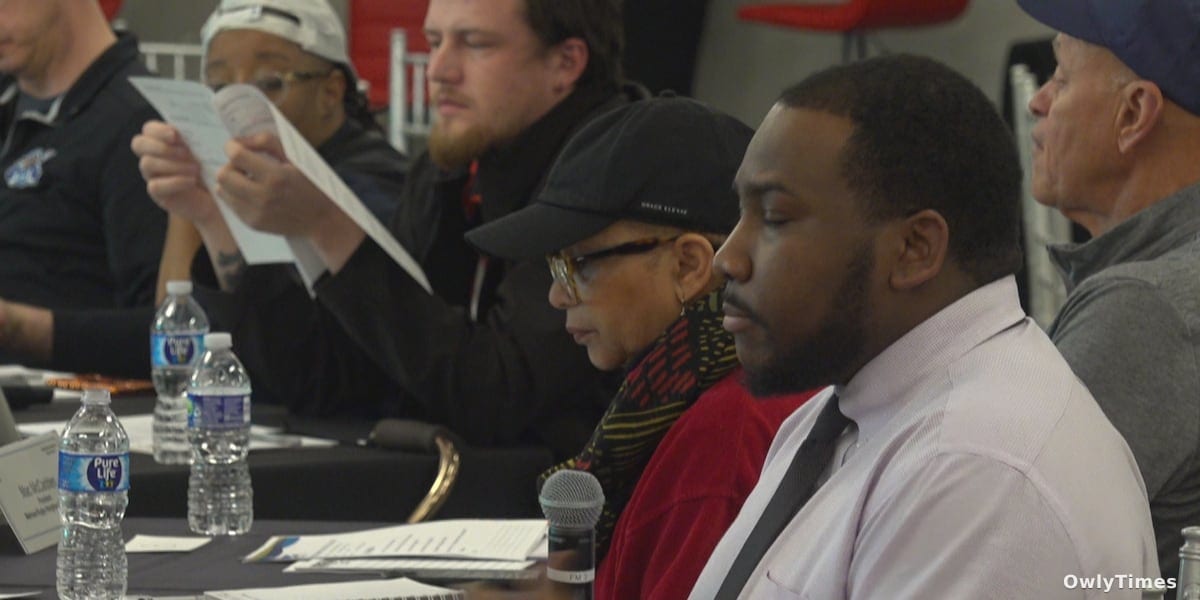
Last year’s announcement from Roanoke City Council ignited immediate opposition, and Mayor Cobb has already signaled a cooling of enthusiasm for a 2026 opening. Yet, the process hasn’t been a simple retreat. City Councilman Phazhon Nash spearheaded an entertainment district focus group, ostensibly to explore options for the Berglund Center, but increasingly, it’s become a forum for defining what Roanoke wants to be. Nash’s approach is a subtle but significant pivot, acknowledging that simply presenting a casino as economic salvation isn’t enough. He’s attempting to build consensus from the ground up, a strategy that’s proving surprisingly revealing.
This article draws on reporting from wdbj7.com.
The initial anxieties centered on safety and security, a predictable concern when discussing large-scale entertainment venues. Nash brought in Danville Police Chief Chris Wiles to address these fears, leveraging the experience of Caesars Virginia, which opened its doors in Danville last year. Wiles reported that the casino’s first full year saw 288 police calls, largely related to intoxicated individuals – a figure he presented as evidence that the casino hadn’t negatively impacted overall crime rates. While seemingly reassuring, the number itself demands context. Danville’s population is roughly half that of Roanoke, and the comparison doesn’t account for differing demographics or existing crime levels. It’s a carefully curated data point, designed to quell fears, but it doesn’t necessarily paint a complete picture.
Beyond Crime Stats: What Roanoke Residents Actually Want
What’s truly striking isn’t the data on police calls, but the priorities voiced during community breakout sessions. Residents weren’t clamoring for high-roller suites or slot machines. They envisioned family-friendly activities, spaces that welcomed both adults and children. They emphasized cultural preservation, specifically celebrating the history and heritage of the Northeast neighborhood, a historically Black community adjacent to the Berglund Center. This isn’t a rejection of economic development, but a demand for development that’s rooted in Roanoke’s existing identity, not imposed upon it. Roanoke Police Chief Scott Booth echoed this sentiment, highlighting the success of “neighborhood policing” – a community-focused approach already implemented in Roanoke, Richmond, and Danville. It’s a strategy built on trust and collaboration, a stark contrast to the potential for a casino to feel like an external force.
The city’s deliberate slowing of its push to become a casino-eligible locality is a direct response to this shifting landscape. Nash is now noncommittal about continuing to fund a casino lobbyist in Richmond, stating the council will “evaluate” the situation after further community engagement. This hesitation is telling. It suggests a growing recognition that the political capital spent pursuing a casino might be better invested in projects that align more closely with the community’s vision. The question isn’t simply whether Roanoke can have a casino, but whether it should, and more importantly, what else it could be building instead.
The Ripple Effect: A Cautionary Tale for Virginia Gaming
This moment in Roanoke isn’t just about one city’s entertainment future. It’s a microcosm of the broader challenges facing Virginia’s nascent casino industry. The state authorized casinos in five cities – Portsmouth, Bristol, Danville, Richmond, and Norfolk – with the promise of economic revitalization. But the initial enthusiasm has been tempered by concerns about social impact, local control, and the potential for casinos to exacerbate existing inequalities. Roanoke’s pause is a signal to other localities: community buy-in isn’t a formality, it’s a necessity. The industry needs to demonstrate a genuine commitment to responsible development, not just promise economic benefits. Will other cities heed Roanoke’s example and prioritize community vision over potential profits? That’s the question that will determine whether Virginia’s casino experiment becomes a success story or a cautionary tale.