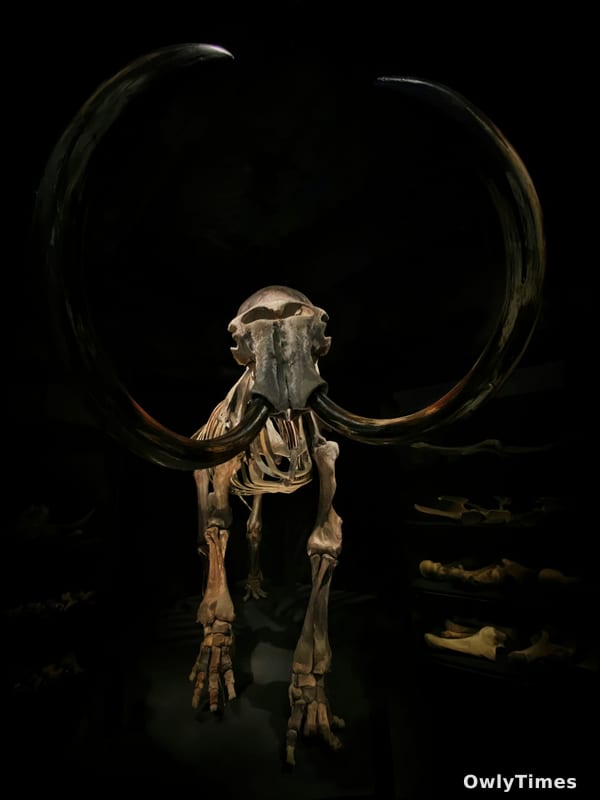

The enduring human impulse to reverse loss finds a new, and profoundly complex, expression in the burgeoning field of de-extinction. While headlines proclaim the potential “resurrection” of iconic species like the woolly mammoth and the dodo, the scientific reality is far more nuanced – and arguably, more interesting. This isn’t about recreating the past perfectly, but about leveraging powerful new genetic tools to reshape the present, raising fundamental questions about conservation priorities, ecological responsibility, and the very definition of a species. The current surge of interest, fueled by companies like Colossal Biosciences, demands a careful examination of what’s scientifically possible, what’s ethically sound, and what’s being lost in translation between the lab and the public imagination.
Beyond Cloning: The Genetic Engineering of Proxies
The term “de-extinction” itself is often misleading. It conjures images of pristine DNA being recovered and used to flawlessly clone a long-lost creature. However, as scientists at institutions like McGill Library emphasize, true resurrection – creating an organism genetically identical to an extinct species – is currently beyond our reach. In most cases, the necessary viable cells simply don’t exist. Instead, the focus has shifted to a process of genetic engineering, where the genomes of living relatives are modified to express traits characteristic of the extinct species. Colossal Biosciences exemplifies this approach, aiming not to recreate Mammuthus primigenius exactly, but to engineer Asian elephants with adaptations for Arctic survival. This results in what researchers are calling “proxies” – animals that resemble extinct species, but aren’t genetically identical. The process involves sequencing DNA from preserved remains, comparing it to the genome of a close living relative, identifying key genetic differences (like those linked to cold tolerance), and then using tools like CRISPR to edit those genes into the living species’ cells.
Drawn from impakter.com.
The Scientific Divide: Resurrection vs. Refinement
The scientific community is far from unified on the merits of de-extinction. A core argument against the endeavor centers on the fundamental irreversibility of extinction. Once a species’ unique evolutionary lineage is lost, it’s gone, regardless of how closely we can approximate its genetic makeup. Jeanne Loring, a stem-cell biologist, succinctly captured this skepticism in response to Colossal’s announcement regarding genetically engineered wolves intended to mimic the dire wolf, stating plainly, “I don’t think they de-extincted anything.” She and others argue that these are modified gray wolves, not true dire wolves, and the distinction is critical. A recreated animal may look similar, but it lacks the same genetic history, learned behaviors, and established ecological relationships. However, other researchers highlight the potential benefits of the genetic tools developed during de-extinction research. These tools could be invaluable for conservation efforts, increasing genetic diversity in endangered populations, bolstering disease resistance, or even reviving lost traits within struggling species. In this view, the value lies not in literal resurrection, but in the development of a powerful conservation toolkit.
Ethical Considerations and Ecological Risks
Beyond the technical hurdles, significant ethical and ecological questions loom large. With over one million species currently facing extinction, is it justifiable to allocate substantial resources to reviving species from the past? Critics fear that high-profile de-extinction projects could create a false sense of security, diminishing the urgency surrounding habitat protection and climate change mitigation. There are also animal welfare concerns inherent in cloning and gene editing, which often involve high failure rates and potential health risks for surrogate mothers. Perhaps most critically, the environments into which these recreated species might be reintroduced have changed dramatically since their original extinction. Would they be able to survive, or could their reintroduction destabilize existing ecosystems? While proponents suggest carefully managed reintroductions could restore ecological balance, opponents caution that ecosystems are incredibly complex, and unintended consequences are highly probable.
Hype, Investment, and the Future of Genetic Manipulation
Colossal Biosciences has successfully attracted billions in investment and generated considerable media attention, framing de-extinction as a bold solution to the biodiversity crisis. However, independent scientists urge caution against overstating the science’s capabilities. What’s emerging isn’t a time machine for evolution, but a powerful suite of genetic tools capable of reshaping existing species. The core question isn’t whether we can manipulate genomes, but whether we should, and to what end. It’s crucial to recognize that extinction, in its truest sense, may remain forever. But humanity is now actively experimenting with what comes after extinction, and the implications of that experimentation are profound. Looking ahead, the critical research step isn’t simply perfecting the genetic engineering process, but conducting rigorous, long-term ecological modeling to predict the consequences of reintroducing these proxy species. Will an elephant engineered with mammoth traits truly restore the Arctic steppe ecosystem, or will it disrupt existing grazing patterns and introduce unforeseen challenges? That’s the question conservationists and policymakers should be demanding answers to before we commit to rewriting the evolutionary narrative.