
The Export of an Ideology: How Trump is Redrawing the Transatlantic Political Map
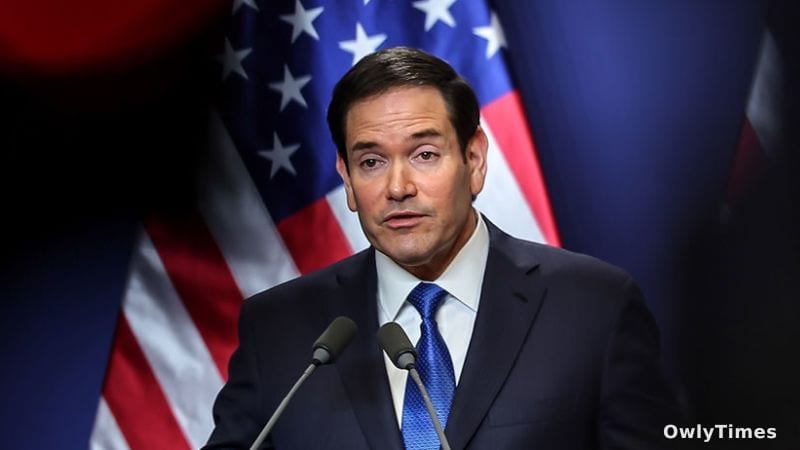
The strategic calculus is clear: Donald Trump isn’t merely seeking to undo the policies of his predecessors, he’s actively attempting to replicate his political success abroad. This isn’t simply a matter of forging alliances; it’s a deliberate effort to cultivate a network of like-minded leaders who share his populist, nationalist worldview, even if it means challenging decades of established US foreign policy. This explains Secretary of State Marco Rubio’s recent mission to bolster Hungary’s Viktor Orbán ahead of April’s general election – a move that signals a fundamental shift in how the US views its role in shaping the political landscape of Europe.
Drawn from CNN.
Orbán, a populist strongman, prefigured many of the tactics and themes that would later define the Trump presidency – the politicization of the justice system, hardline immigration policies, and attacks on the press. He’s facing his biggest political challenge in 15 years, making US support particularly valuable. Rubio’s visit, however, isn’t a simple endorsement of a democratically elected leader; it’s a pointed rebuke to European nations who hoped Trump’s respectful tone at the Munich Security Conference signaled a return to transatlantic norms. The visit underscores a growing willingness within the White House to directly intervene in the domestic politics of foreign states, a pattern that extends far beyond Hungary.
This interventionist approach isn’t new, but its explicit ideological alignment is. Trump has previously attempted to influence elections in Argentina, Brazil, Honduras, and Poland, even claiming to “run Venezuela” after attempting to oust Nicolás Maduro. But the backing of Orbán is different. It’s not about installing a friendly face; it’s about actively supporting a leader who is actively dismantling democratic institutions and promoting a vision of national identity rooted in exclusion. Who benefits and who loses here is stark: Orbán gains legitimacy and potential financial aid, while European democracies committed to liberal values find themselves increasingly isolated and threatened.
The Trump administration’s embrace of Orbán is the latest manifestation of an institutionalized shift to the right in US foreign policy, codified in the new national security strategy which explicitly praises the “growing influence of patriotic European parties.” These are parties like the National Rally in France, Reform in the UK, and the AfD in Germany – groups actively seeking to undermine the established political order. This echoes historical precedents, though with a distinctly modern twist. Consider the Soviet Union’s support for communist parties across Europe during the Cold War; while the ideology differs, the strategy of external support for internal political movements remains the same. The key difference is that Trump isn’t hiding his intentions – he’s openly celebrating the rise of these forces.
Rubio’s personal evolution is also revealing. In 2019, he joined bipartisan colleagues in expressing concern over the “significantly eroded” democracy in Hungary. Yet, on Monday, he told Orbán, “We are entering this golden era of relations between our countries – and not simply because of the alignment of our peoples, but because of the relationship that you have with the president of the United States.” This shift isn’t merely opportunistic; it reflects a broader realignment within the GOP, where loyalty to Trump now often trumps traditional ideological commitments. The strategic calculation for Rubio is clear: aligning with Trump is essential for his political survival and future prospects.
The tension lies in the contradiction between the US’s historical role as a champion of democracy and its current embrace of authoritarian tendencies. Mainstream European politicians warn that populists pose a threat to stability and democracy, reminding the US of the continent’s history of devastating nationalism. Leaders like Emmanuel Macron are pushing back against US pressure, defending European values and resisting attempts to control the flow of information. This widening ideological disconnect goes beyond defense budgets; it represents a fundamental clash of worldviews.
Trump’s policy, however, is often inconsistent. He maintains good relations with leaders across the political spectrum, including those who openly disagree with his ideology. This inconsistency suggests that Trump’s primary motivation isn’t ideological purity, but rather transactional advantage. He seeks to build relationships with leaders who are willing to cooperate on issues that matter to him, regardless of their democratic credentials. This is further complicated by Trump’s own domestic political vulnerabilities. His approval ratings are low, and Republicans fear a midterm election rout. There’s no guarantee that his message will resonate with European voters, given his widespread unpopularity on the continent.
However, the potential for Trump and Orbán to synergize is deeply concerning. Orbán has systematically eroded democratic institutions in Hungary, making it harder for opposition parties to compete and suppressing dissent. This echoes Trump’s own rhetoric about a “rigged” election system and his attacks on the media. Rubio’s promise of US financial aid to Orbán – contingent on his continued leadership – is a particularly troubling development, mirroring Trump’s attempts to use economic leverage to influence elections in other countries, like Argentina.
The political chess move to watch next is whether Trump will escalate his intervention in the upcoming European Parliament elections. Will he actively campaign for right-wing populist candidates, offering financial or political support? And, crucially, will European leaders respond with a unified front, or will they succumb to the pressure and begin to accommodate Trump’s demands? The future of the transatlantic alliance – and the fate of liberal democracy in Europe – may well depend on the answer.





