
A Nuclear Embrace: The Shifting Sands of US Foreign Policy in Central Europe
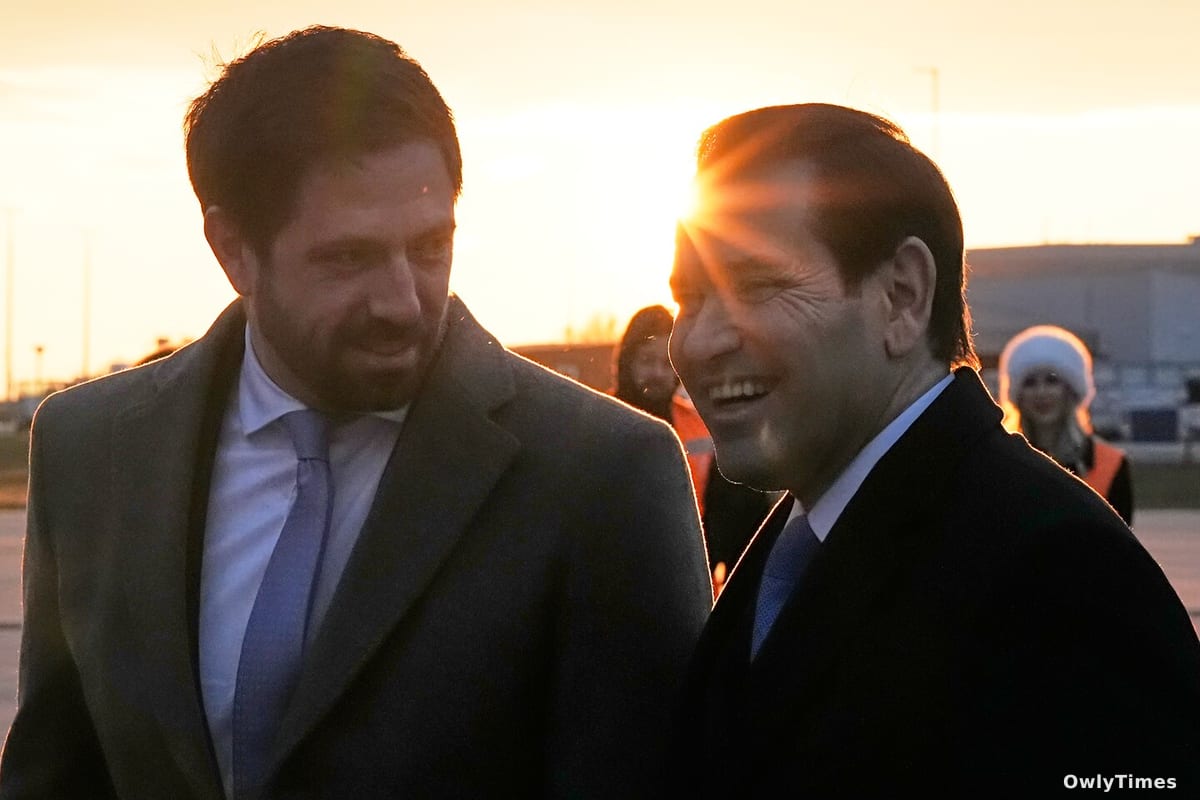
The image is stark: Secretary of State Marco Rubio landing in Budapest on February 15, 2026, greeted by Hungary’s Deputy Foreign Minister Levente Magyar. This isn’t merely a diplomatic visit; it’s a calculated signal, and a potentially dangerous one. The impending signing of a civilian nuclear cooperation agreement between the United States and Hungary, championed by President Donald Trump, represents a dramatic realignment in US foreign policy, prioritizing transactional relationships over longstanding concerns about democratic backsliding. This move isn’t happening in a vacuum. It’s the culmination of years of strained relations with traditional European allies and a growing willingness to engage with authoritarian regimes. The question isn’t if this deal will reshape the geopolitical landscape of Central Europe, but how.
This piece references the The Washington Post report.
Background & Context: From Democratic Concerns to Pragmatic Partnerships
For years, the US has expressed increasing concern over the erosion of democratic institutions under Prime Minister Viktor Orbán’s leadership in Hungary. Orbán’s government has systematically curtailed press freedoms, undermined judicial independence, and fostered a climate of intolerance towards civil society organizations. These actions prompted repeated condemnations from Washington, particularly during the previous administration. However, the election of President Trump in 2024 marked a decisive shift. Trump, consistently critical of European allies he perceived as not contributing their “fair share” to collective security, openly admired Orbán’s strongman tactics and nationalist rhetoric.
This admiration translated into a softening of US criticism towards Hungary. The nuclear cooperation deal, initially floated during Trump’s campaign, is now being presented as a strategic imperative. The US argues that diversifying nuclear energy sources is crucial for energy security, particularly in light of ongoing geopolitical instability. However, critics point to the timing – and the beneficiary – as deeply problematic. This represents a significant departure from the post-Cold War emphasis on promoting democracy as a prerequisite for closer ties, and echoes a pattern of prioritizing short-term gains over long-term values. The last major US-Hungary agreement of this scale was in 1997, a military cooperation pact that predates Orbán’s rise to power.
The Significance of the Nuclear Deal: Beyond Energy Security
The civilian nuclear cooperation agreement itself is multifaceted. It will likely involve the transfer of US nuclear technology and expertise to Hungary, potentially including assistance with the construction of new nuclear power plants. While proponents emphasize the economic benefits and reduced reliance on Russian energy sources – Hungary currently relies heavily on Russia’s Rosatom for its nuclear fuel – the deal carries substantial risks. The most pressing concern is the potential for proliferation. While the agreement is ostensibly for peaceful purposes, the technology and materials involved could, in theory, be diverted for military applications.
More subtly, the deal serves to legitimize Orbán’s regime on the international stage. By embracing Hungary as a strategic partner, the US is effectively signaling that democratic principles are secondary to geopolitical expediency. This signals a broader trend: a willingness to overlook authoritarian tendencies in countries deemed strategically valuable. The fact that this deal is being “heralded” by President Trump, as reported, underscores its political nature. It’s less about nuclear energy and more about solidifying a political alliance. The $2.5 billion investment pledged by the US, as part of the agreement, further highlights the transactional nature of this partnership.
What This Means: Implications for Stakeholders
The implications of this deal are far-reaching. For Hungary, it represents a significant political and economic victory for Orbán, bolstering his domestic support and strengthening his position within the European Union. For the United States, it offers a potential foothold in a strategically important region, but at the cost of alienating traditional allies like Germany and France, who have consistently voiced concerns about Hungary’s democratic trajectory. The European Union faces a difficult dilemma: how to respond to a US policy that undermines its own values and potentially destabilizes the region.
The deal also has implications for Russia. While the US frames the agreement as a way to reduce Hungary’s dependence on Russian energy, Moscow is likely to view it as a challenge to its influence in Central Europe. This could lead to increased geopolitical competition in the region. Finally, for civil society organizations and pro-democracy activists in Hungary, the deal is a devastating blow, signaling that their efforts to promote democratic values are being ignored by the international community. The agreement effectively provides Orbán with a shield against further criticism.
Looking Ahead: A New Era of Transatlantic Relations?
The signing of this nuclear cooperation agreement is not an isolated event. It’s a harbinger of a new era in transatlantic relations, one characterized by pragmatism, transactionalism, and a diminished emphasis on democratic values. Readers should watch for how the EU responds – will it impose sanctions on Hungary, or attempt to engage with the US to mitigate the negative consequences of the deal? We should also monitor the implementation of the agreement itself: will the US maintain robust safeguards to prevent proliferation, and will it continue to raise concerns about Hungary’s democratic backsliding?
The potential for further US engagement with authoritarian regimes in other parts of the world is also a significant concern. This deal could embolden other leaders to disregard democratic norms, believing that they can secure economic and political benefits by aligning themselves with the US. The long-term consequences of this shift in US foreign policy remain to be seen, but one thing is clear: the world is becoming a more dangerous and unpredictable place. The silence from key European capitals is particularly telling, and suggests a growing acceptance of a US foreign policy agenda that prioritizes power politics over principle.