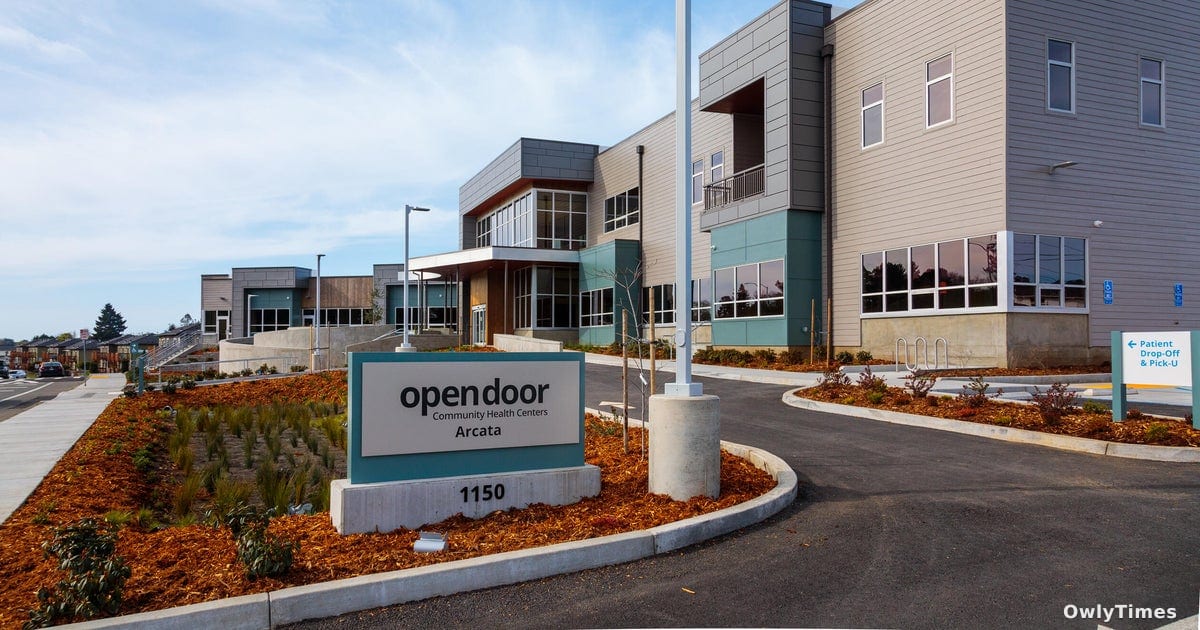

The promise of the $50 billion Rural Health Transformation Program was clear: to modernize the fractured landscape of rural American medicine. Yet, as the program moves from federal approval to state-level implementation, a significant tension has emerged between the technology-driven ambitions of policymakers and the day-to-day survival of frontline clinics. For providers like Tory Starr, the chief executive officer of Open Door Community Health Centers in Northern California, the question is not just how much money is available, but whether these funds will ever reach the clinics that serve the nation’s most vulnerable populations.
The fundamental conflict lies in how states are interpreting federal directives. While the program was born from the same legislative package—the One Big Beautiful Bill Act—that slashed nearly $1 trillion from Medicaid over the next decade, the rural transformation fund is not a replacement for that lost revenue. Instead, federal regulators have prioritized digital infrastructure. According to Maya Sandalow, an associate director at the Bipartisan Policy Center, federal officials were "really interested in seeing digital health investments" when drafting the rules. Consequently, states are funneling a "heavy dose" of their first-year awards—which range from $147 million for New Jersey to $281 million for Texas—toward large-scale corporate vendors capable of managing cybersecurity, electronic health record (EHR) systems, and complex technology platforms.
This creates a structural imbalance. Small providers like Open Door, which operates 13 clinical sites across two counties, rely on Medicaid for half of their patient base. When the program caps direct provider payments at 15% of a state’s total award, the bulk of the remaining billions is funneled toward the "ecosystem" of consultants and tech giants. Science Applications International Corp. (SAIC), for example, has formed a coalition including Walgreens and Mission Mobile Medical to bid for this work. While these entities offer the technical scale to meet federal reporting mandates, the immediate, boots-on-the-ground needs of rural patients—who often work as restaurant staff or teacher’s aides—can easily be sidelined by the complexity of procurement contracts.
Limitations to this approach are already surfacing. James Lomastro, a senior-care advocate with the Dignity Alliance in Massachusetts, notes that clinics and nursing homes that provide essential daily support remain "mostly on the margins" of these high-level state discussions. Furthermore, the push for digital modernization faces a practical bottleneck: states are struggling to finalize budgets. As of early April, the Centers for Medicare & Medicaid Services (CMS) had only partially approved or had not yet approved several state plans, including those for Wyoming, Colorado, and Vermont. Even where budgets are approved, such as in Alaska, the surge in vendor interest has delayed the release of grant proposals, complicating the timeline for clinics awaiting support.
The stakes for these providers are measurable. For Starr, upgrading electronic systems is not just an administrative upgrade; it is a clinical necessity to ensure patients stay enrolled in Medicaid programs. As the program enters its next phase, the focus will shift from planning to accountability. States are now staring down a critical deadline: they must obligate all first-year funding by Oct. 30, according to CMS requirements. Whether the subsequent progress reports due at the end of August show a flow of capital into actual rural clinics, or merely a consolidation of digital service contracts, will be the ultimate indicator of whether this $50 billion investment succeeds in its stated mission to protect the heart of rural America.





