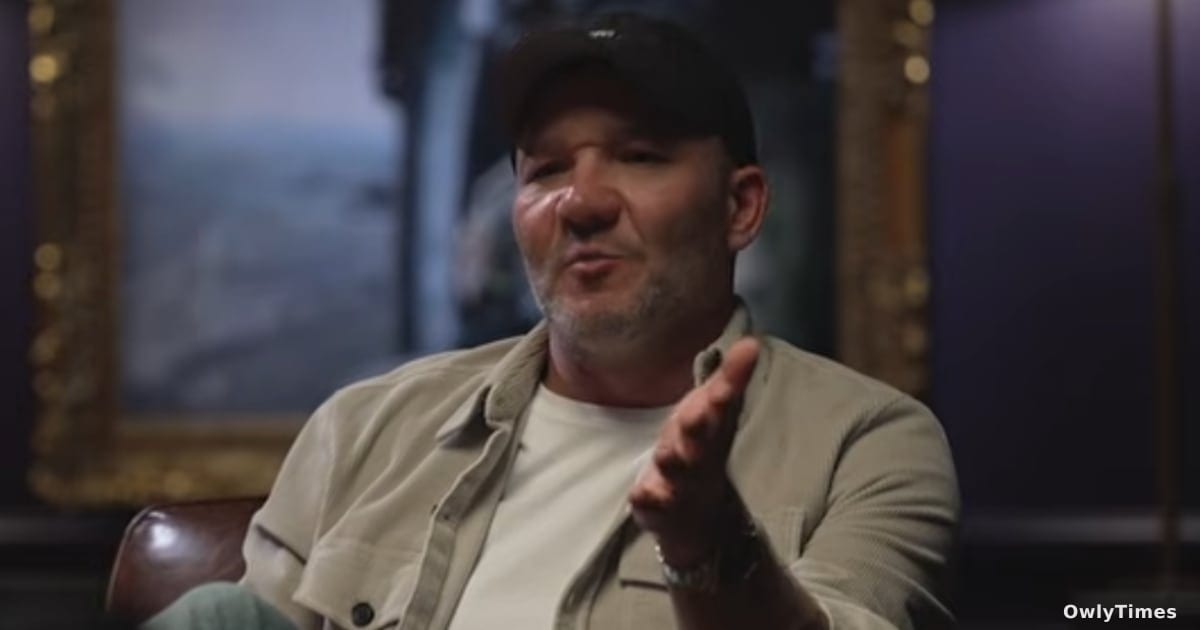

The Strategic Risk of Openly Questioning Presidential Capacity
The timing of Shawn Ryan’s public questioning of Donald Trump’s mental acuity isn’t a spontaneous expression of concern – it’s a calculated maneuver within the evolving power dynamics of the conservative media landscape. Ryan, a former Navy SEAL with a substantial audience of 5.8 million on YouTube, didn’t simply voice an opinion; he signaled a potential fracturing within the coalition that propelled Trump back into office. The post, a terse “Ummm... I know we all thought the last guy had dementia but…,” delivered in response to a White House tweet about peace, immediately injected doubt into the carefully constructed narrative of a strong, decisive leader. This isn’t about genuine worry over Trump’s health, but about establishing a position of independent credibility – a valuable asset in a post-Trump political world, even while still ostensibly aligned with his base.
The Contradiction at the Heart of the “Board of Peace”
The context of Ryan’s critique is critical. The “Board of Peace” meeting, intended to project an image of global statesmanship, simultaneously occurred while the U.S. is actively escalating military preparations for a potential conflict with Iran. This inherent contradiction – a peace summit shadowed by war drums – created the opening for scrutiny. Reports of President Trump’s 45-minute rambling address, punctuated by boasts, grievances, and oddly specific compliments, provided the ammunition. The image of Presidents Prabowo Subianto of Indonesia, Javier Milei of Argentina, and Shavkat Mirziyoyev of Uzbekistan waiting for a photo op while Trump appeared to struggle to stay awake is a potent symbol of diminished authority. Ryan’s post tapped directly into this visual narrative, exploiting the dissonance between the intended message and the perceived reality.
Drawn from thedailybeast.com.
Echoes of Past Transitions and the Weaponization of Cognitive Concerns
The current situation bears a striking resemblance to the late stages of the Ronald Reagan presidency, where whispers about cognitive decline became increasingly prevalent, though largely suppressed by a loyal media apparatus. The difference now is the fragmented media environment. While Reagan benefited from a more unified conservative press, Trump faces a landscape where figures like Ryan can leverage direct access to millions of voters, bypassing traditional gatekeepers. Moreover, the irony is palpable: Trump and his allies spent years relentlessly attacking Joe Biden’s mental fitness, a tactic now being subtly turned against him. This demonstrates a dangerous precedent – the normalization of questioning a president’s cognitive abilities as a political weapon, regardless of factual basis. The Dow Jones Industrial Average reaching 50,000, as highlighted by Attorney General Pam Bondi during Epstein file testimony, is a perfect example of deflection, attempting to equate economic performance with moral accountability.
Bondi’s Deflection and the Epstein Files as a Pressure Point
The parallel attacks on Pam Bondi by Ryan, accusing her of protecting pedophiles in connection with the Jeffrey Epstein case, further complicates the picture. Bondi’s combative testimony and reliance on economic statistics to deflect scrutiny were, in Ryan’s view, a blatant attempt to avoid accountability. This isn’t simply about the Epstein case itself, but about the broader perception of a compromised justice system and a willingness to prioritize political expediency over genuine investigation. Ryan’s profanity-laced rant, while aggressive, resonated with a segment of the conservative base already skeptical of the establishment. It’s a demonstration of how quickly loyalty can erode when perceived corruption intersects with a perceived decline in leadership. The fact that Ryan previously hosted Trump on his podcast underscores the audacity of his current critique – and the potential for further dissent.
The Next Chess Move: Will Trump Address the Concerns Directly?
The critical question now is whether President Trump will directly address these growing concerns about his mental state. Ignoring them risks allowing the narrative to fester and embolden other dissenting voices within his coalition. A forceful denial, however, could backfire if it’s perceived as disingenuous or evasive. The more likely scenario is a doubling down on the “strong man” persona, coupled with renewed attacks on his political opponents. But the calculus has shifted. Ryan’s move isn’t about defeating Trump; it’s about positioning himself for influence after Trump. The next move to watch isn’t a policy decision or a geopolitical maneuver, but whether a prominent figure within the MAGA ecosystem will publicly join Ryan in questioning the president’s capacity – and if so, how Trump responds.





