
Is Samsung selling us a dream, or just a cleverly-rendered illusion? The tech giant is now openly deploying generative AI not just in its products, but as its marketing, and the line between demonstration and fabrication is dissolving faster than a digitally-smoothed texture. The real story here isn't Samsung adding AI to its phones – it's Samsung adding AI to its advertising for those phones, and the implications for consumer trust are far more significant than a slightly better night mode.
The Illusion of Low-Light Performance
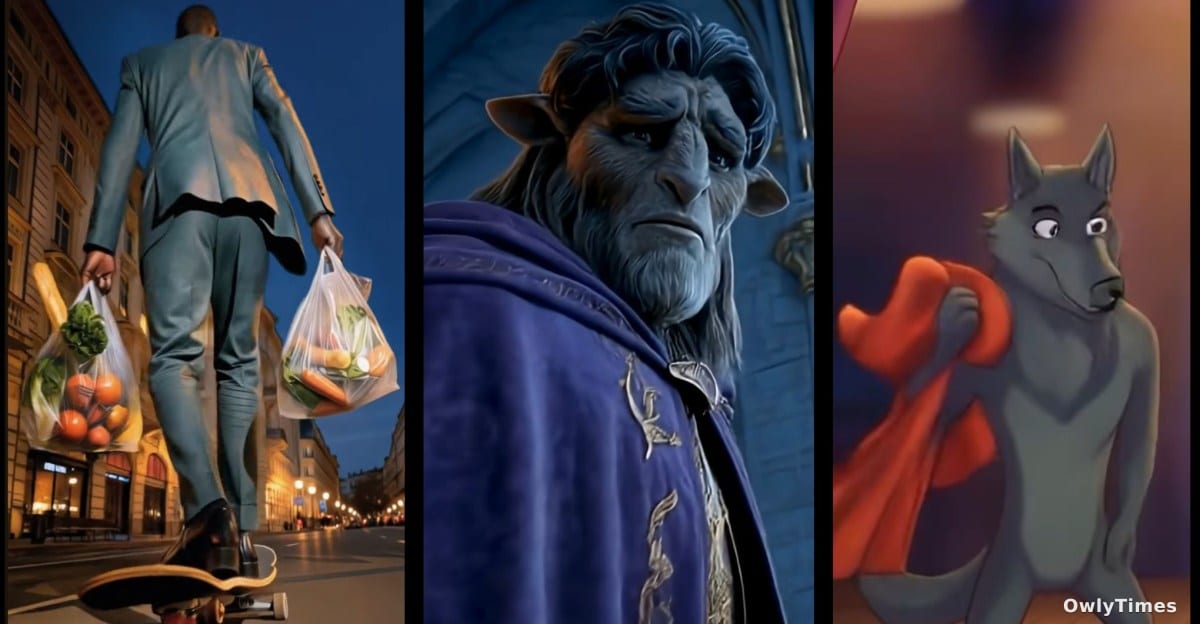
Take the recent “Brighten your after hours” video, a teaser for the upcoming Galaxy S26 series. It depicts two skateboarders gliding through a dimly lit cityscape, ostensibly showcasing the phone’s low-light video prowess. Except, a closer look reveals a subtly unsettling reality: the vegetable-filled shopping bags look…off, and the cobblestones seem to ripple. Samsung readily admits the video was “generated with the assistance of AI tools” via a small disclaimer, but the platforms hosting it – YouTube and Instagram – haven’t applied their own AI labeling, despite all three companies having adopted the Content Authenticity Initiative (C2PA) standard. This isn’t a glitch; it’s a revealing crack in the façade of transparency. We’re being shown what a Samsung phone can do, but the footage isn’t necessarily from a Samsung phone. It’s from a computer, mimicking what a Samsung phone might do, and that’s a crucial distinction.
This isn’t an isolated incident. Jess Weatherbed reports that Samsung is increasingly leaning into AI-generated content across its social media, from suspiciously Disney-esque cartoons promoting appliances to digitally altered cats and even snowmen pondering reality. The tagline, “Can your phone do that?” feels less like a challenge and more like a dare – a challenge to discern what’s real and what’s been conjured by algorithms. It’s a particularly cynical move given Samsung’s past controversies regarding misrepresented camera capabilities. Remember the initial launch of certain models where brightness was artificially boosted in marketing materials? This feels like a logical, if unsettling, escalation.
Drawn from The Verge.
The Platform Problem & The C2PA Paradox
The failure of YouTube and Instagram to automatically flag this content is the more alarming part. All three companies – Samsung, Google (owner of YouTube), and Meta (owner of Instagram) – have publicly committed to C2PA, a standard designed to authenticate digital content and identify AI-generated or manipulated media. Yet, the “Brighten your after hours” video slips through the cracks. This suggests either a technical failure in implementation, a deliberate choice to prioritize engagement over transparency, or a fundamental flaw in the C2PA system itself. It’s a stark reminder that standards are only as effective as their enforcement. The average user scrolling through their feed isn’t equipped to spot these subtle manipulations, and relying on companies to self-regulate is, frankly, naive.
The cost of this erosion of trust isn’t just brand reputation. It’s a broader societal issue. If we can’t reliably distinguish between genuine footage and AI-generated simulations, how do we assess reality? How do we hold companies accountable for their claims? This isn’t about being anti-AI; it’s about demanding honesty. It’s about recognizing that a digitally enhanced reality isn’t the same as reality itself. The current situation feels like the Wild West of digital advertising, and consumers are the ones left vulnerable.
Beyond the Hype: What This Means for You
This isn’t just a problem for tech enthusiasts debating the merits of generative AI. It impacts everyone who relies on visual information – which, let’s face it, is all of us. Imagine relying on a product demonstration video to make a purchasing decision, only to discover the footage was entirely fabricated. Or believing a news report based on a digitally altered image. The potential for misinformation and manipulation is enormous. The $85.7 billion global digital advertising spend in 2023 (according to Statista) is now potentially funding a sophisticated system of digital illusion.
The current approach – relying on small disclaimers buried in the fine print – is woefully inadequate. It’s the digital equivalent of a magician saying “This is an illusion” after you’ve already been fooled. The onus shouldn’t be on the consumer to decipher the truth; it should be on the platforms and advertisers to provide it upfront.
Here’s what to watch for: In the next six months, expect a surge in AI-generated marketing content, particularly in visually-driven industries like fashion, travel, and consumer electronics. More importantly, pay attention to whether platforms like YouTube and Instagram actually enforce C2PA standards, or if they continue to prioritize engagement over authenticity. If they don’t, we’re heading towards a future where seeing isn’t believing, and the truth is just another algorithm away.