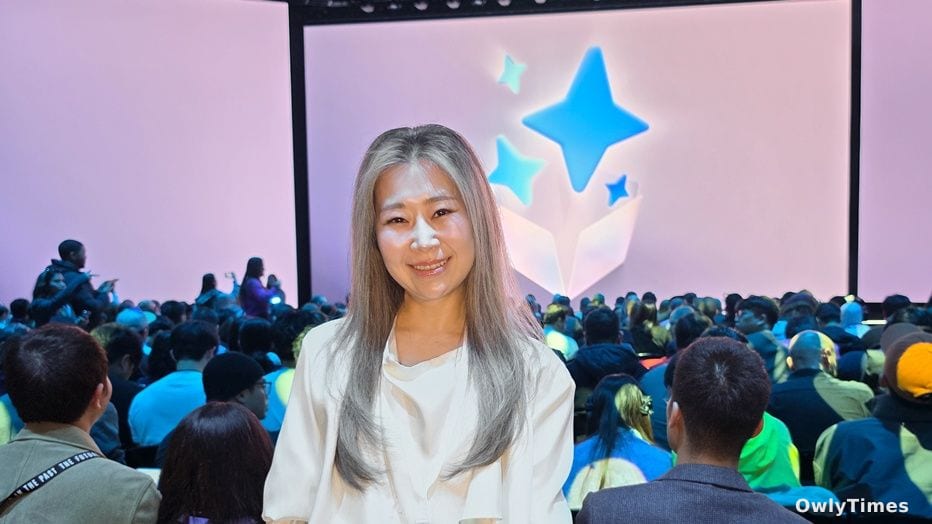

Is the future of tech launches… K-Pop? That’s the question swirling after Samsung’s Galaxy Unpacked 2026 event in San Francisco, where the company unveiled its Galaxy S26 series – the third generation of its AI-powered phones – with a surprisingly bold creative partner: Maggie Kang, co-director of the wildly popular “KPOP DEMON HUNTERS.” The real story here isn’t just another phone launch, it’s Samsung signaling a fundamental shift in how it intends to connect with consumers, moving beyond specs and features to embrace cultural resonance and emotional storytelling.
Beyond the Benchmark: Why Samsung Needs a Narrative
For years, tech companies have operated under the assumption that better hardware and faster processors automatically translate to consumer desire. Samsung, consistently a leader in smartphone innovation, has certainly benefited from that model. But the margins are shrinking, the upgrades are incremental, and the average user is increasingly numb to talk of gigahertz and megapixels. The Galaxy S26 boasts the expected advancements – improved AI capabilities, a refined camera system, and a faster processor – but those details were almost secondary to the event’s overall aesthetic and messaging. According to Samsung Newsroom, the event’s theme, “Stars by Your Side,” aimed to make AI feel “closer, more approachable and personal.” That’s a deliberate attempt to address a growing consumer anxiety around artificial intelligence, framing it not as a disruptive force, but as a supportive companion.
See the original news.samsung.com story for the full account.
Kang’s involvement wasn’t a marketing stunt; it was a strategic decision to inject authenticity and cultural relevance into the launch. She wasn’t hired to simply add some “K-Pop flair,” but to shape the entire experience “from concept to stage.” As Kang explained to Samsung Newsroom, she saw technology as “a powerful creative medium in itself,” and Samsung as a “unique bridge between heritage and the future.” This is a crucial point. Samsung isn’t just selling phones; it’s selling a vision of a technologically advanced future rooted in Korean culture and innovation. The company’s willingness to embrace “unconventional” ideas, as Kang noted, speaks to a growing recognition that traditional marketing tactics are losing their effectiveness.
Seoul Searching: The Importance of Cultural Capital
The decision to bring Kang on board, and to actively weave Korean elements into the event, isn’t accidental. It’s a calculated move to leverage the global phenomenon of K-Pop and Korean culture. The success of “KPOP DEMON HUNTERS,” a series lauded for its imaginative world-building and cultural authenticity, demonstrates the power of storytelling to connect with audiences on a deeper level. Kang specifically focused on ensuring Samsung’s Korean heritage wasn’t just acknowledged, but “lived through the narrative,” even in subtle ways. This is a smart play, considering South Korea’s position as a global cultural powerhouse. In 2023, South Korea’s cultural exports reached a record $10.4 billion, a 4.2% increase from the previous year, demonstrating the economic impact of its soft power. Samsung, as the nation’s largest company, is uniquely positioned to capitalize on this trend.
The collaboration wasn’t without its risks. Tech launches are typically sterile, data-driven affairs. Injecting the vibrant, often chaotic energy of K-Pop could have easily felt forced or inauthentic. But Kang’s account of the collaboration – particularly her emphasis on Samsung’s “open-mindedness” and the team’s efforts to create a collaborative atmosphere – suggests a genuine partnership. The detail about enjoying local snacks during meetings, while seemingly minor, speaks volumes about the effort to foster a deeper connection and mutual respect.
The “I Need This Right Now” Factor: Tech as Desire
What’s particularly telling is Kang’s admission that she found herself repeatedly telling the Samsung team, “I need this right now!” This isn’t a typical reaction from a creative director evaluating a tech product. It suggests that Samsung is finally creating technology that resonates on a visceral, emotional level. The focus on making AI “feel relatable” is key. For years, AI has been presented as a complex, abstract concept. Kang and her team helped to translate that concept into something tangible and desirable. The “Stars by Your Side” theme, while somewhat saccharine, effectively communicates the idea that AI can be a personalized, supportive force in users’ lives. This is a significant departure from the dystopian narratives that often dominate the conversation around artificial intelligence.
Kang also expressed enthusiasm for continuing these types of cross-industry collaborations, recognizing the potential for “exciting intersections between culture, narrative and innovation.” This suggests that Samsung’s experiment with Kang wasn’t a one-off event, but a harbinger of things to come.
Looking ahead, expect to see more tech companies actively seeking out creative partners from outside the traditional tech sphere. The era of relying solely on technical specifications to drive sales is over. The future belongs to those who can tell compelling stories and create emotional connections with their audiences. Specifically, watch for Samsung to double down on its Korean heritage, leveraging its cultural capital to differentiate itself from competitors. The question isn’t whether other companies will follow suit, but whether they can authentically replicate Samsung’s approach. Will Apple partner with a renowned film director? Will Google collaborate with a celebrated musician? The next 18 months will reveal whether Samsung’s gamble on cultural storytelling pays off, and whether the future of tech launches truly is… K-Pop.