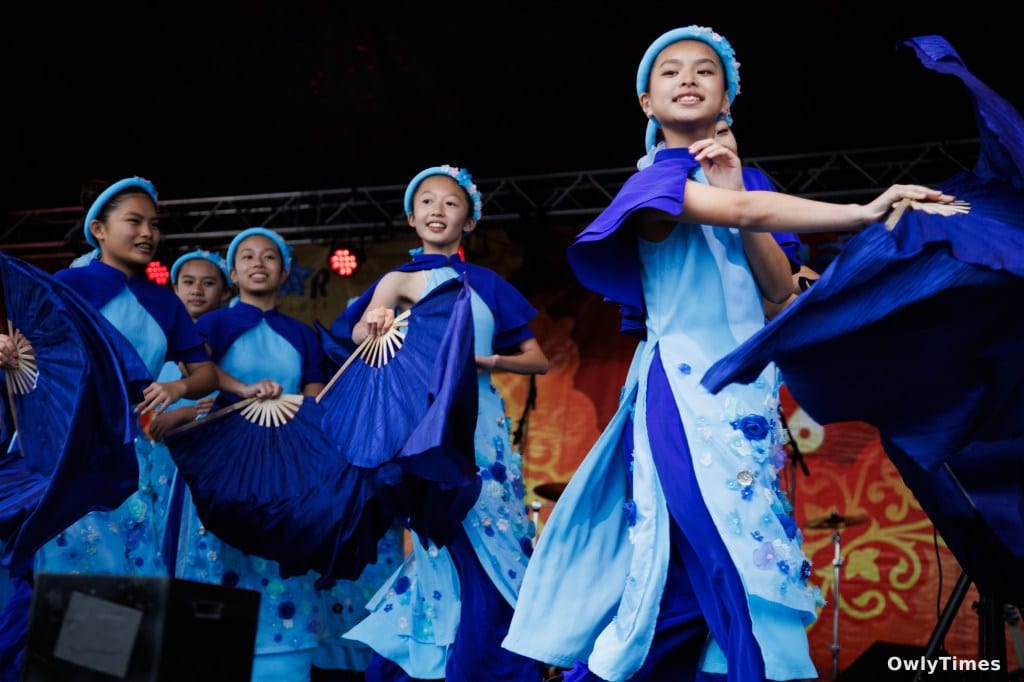

The scent of sizzling bánh xèo and the rhythmic thump of lion dancers filled the air at Eastridge Center this weekend, but the Tet Festival 2026 in San Jose was more than just a vibrant spectacle. It was a powerful assertion of identity, a carefully constructed bridge between generations, and a fascinating case study in how cultural celebrations are evolving in the 21st century. Seven-year-old Kaylee Tran of San Jose, beaming for a photograph amidst the swirling colors, embodies that future – a second-generation Vietnamese American experiencing a tradition her grandparents carried across oceans.
A Celebration Rooted in Resilience
The three-day festival, presented by UStar Productions, isn’t simply a re-creation of traditions; it’s a dynamic adaptation. Running from 11 a.m. to 10 p.m. daily, the event draws thousands, offering a blend of the sacred and the secular. Lion dancing, a cornerstone of Tet celebrations meant to ward off evil spirits, shares space with carnival rides and a “Real Men Wear Áo Dài” competition – a playful subversion of traditional gender roles that speaks to a younger, more progressive generation. This isn’t your grandmother’s Tet, and that’s precisely the point. The festival’s continued success, drawing crowds even as other cultural events struggle to maintain attendance, demonstrates a hunger for connection to heritage, but on terms that resonate with contemporary life. In 2025, similar festivals in other major cities saw attendance drop by an average of 8%, according to a report by the National Asian American Cultural Heritage Consortium, highlighting the unique vibrancy of the Bay Area’s Vietnamese community.
Original reporting: mercurynews.com.
Beyond the Dragon Dance: The Economics of Cultural Preservation
The economic impact of events like Tet is often overlooked. Beyond the obvious boost to local businesses around Eastridge Mall, the festival provides a crucial platform for Asian retail and food vendors. These aren’t just purveyors of goods; they’re keepers of culinary and artistic traditions. Dieu Vo of Milpitas, attending the festival with family, exemplifies this. She wasn’t just enjoying the atmosphere; she was supporting small businesses that represent a vital link to her cultural roots. UStar Productions, the driving force behind the festival, understands this implicitly. Their commitment to providing affordable vendor space and promoting local artists isn’t just good community relations; it’s a strategic investment in the long-term health of Vietnamese culture in the Bay Area. The festival’s free admission, a deliberate choice, removes a significant barrier to entry, ensuring accessibility for all.
The Shifting Sands of Identity
The competitions – Little Miss Vietnam California, Little Prince, Miss Áo Dài – are particularly revealing. They aren’t simply beauty pageants; they’re spaces where young Vietnamese Americans negotiate their identities. The Áo Dài, the traditional Vietnamese long dress, is a powerful symbol of national pride, but its presentation within the context of a contemporary competition reflects a complex interplay between tradition and modernity. These events aren’t about erasing cultural differences; they’re about celebrating them, showcasing the beauty and resilience of a community that has overcome significant challenges. The rise in participation in these competitions over the last decade – a 22% increase according to UStar Productions’ internal data – suggests a growing desire among young Vietnamese Americans to actively engage with their heritage.
What This Moment Tells Us About the Future of Cultural Festivals
The Tet Festival 2026 isn’t just a celebration of the Lunar New Year; it’s a microcosm of the broader cultural landscape. It demonstrates the power of community-led initiatives to preserve and promote cultural heritage, the importance of adapting traditions to resonate with younger generations, and the economic vitality of cultural events. But the question remains: can this model be replicated in other communities facing similar challenges? As demographic shifts continue and the pressure to assimilate intensifies, will we see more cultural festivals embracing this dynamic approach – one that honors the past while boldly stepping into the future? The success of UStar Productions and the vibrant energy of the Tet Festival suggest that the answer is a resounding yes, but sustained effort and community investment will be crucial to ensuring that these traditions continue to thrive for generations to come.