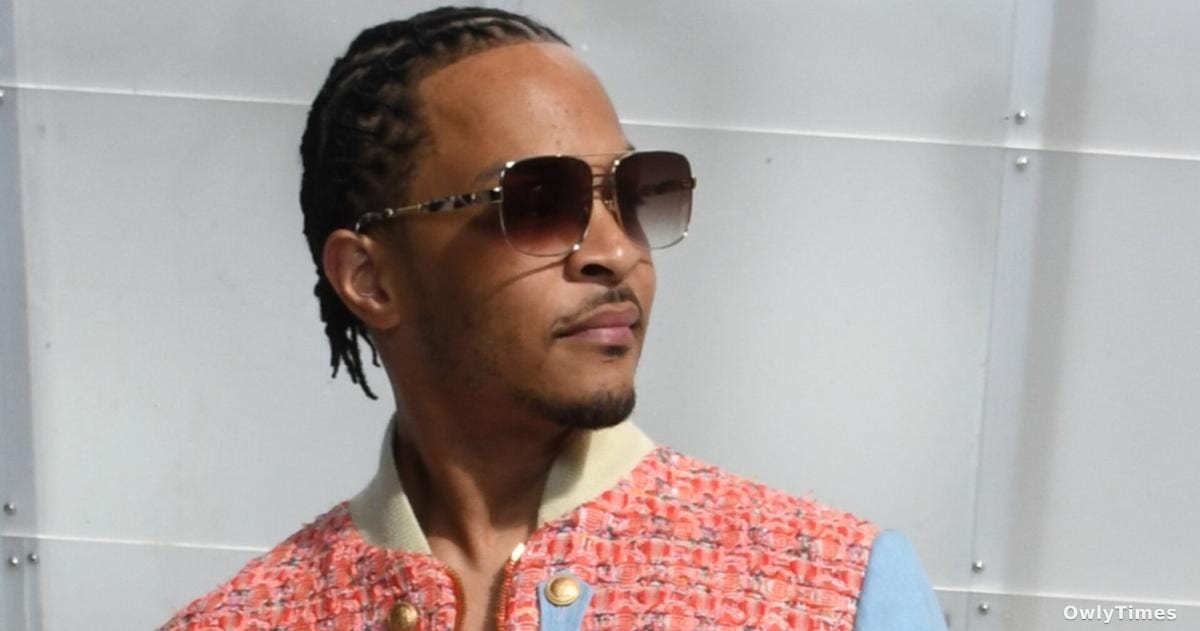

The air in Bethlehem, Pennsylvania, still smells faintly of funnel cake and summer sweat from last year’s Musikfest, but the festival is already making waves for 2026. Not because of a nostalgic throwback act or a rising indie darling, but with a headliner choice that feels less like a concert announcement and more like a cultural temperature check: T.I., the Atlanta rapper, businessman, and increasingly, a public intellectual, will take the Wind Creek Steel Stage on August 5th, 2026, with DaBaby as his special guest. The announcement, dropped via Musikfest’s Facebook page, immediately sparked conversation – and not just about the music. It’s a booking that forces a reckoning with how we evaluate artists, particularly those with complex legacies, in the current moment.
Beyond the Billboard Charts: T.I.’s Multifaceted Empire
This isn’t simply a rapper taking the stage. T.I., born Clifford Joseph Harris Jr., is a case study in brand building and reinvention. While he’s undeniably a musical force – ten hit albums, multiple awards, and a string of chart-topping singles – his influence extends far beyond the recording studio. ArtsQuest highlights his ventures into fashion with Akoo, real estate, a production company, and even co-ownership of TIDAL, the streaming service. But it’s his recent pivot towards civic engagement that’s truly reshaping his public image. Serving on the Mayor of Atlanta’s Transition Team and the Reimagining Atlanta Task Force, focused on restorative justice and incarceration reform, positions him as something more than an entertainer. He’s actively attempting to translate cultural capital into political influence, a move that’s earning him recognition at the U.S. Capitol and within business circles like Operation Hope and Forbes Magazine. This isn’t a musician capitalizing on a moment; it’s a businessman leveraging his platform for systemic change – or at least, attempting to.
Drawn from wfmz.com.
The Weight of Past Controversies
However, the enthusiasm surrounding T.I.’s multifaceted career is undeniably tempered by his past. Allegations of sexual assault and coercion, resurfaced in recent years, cast a long shadow over his accomplishments. While he has vehemently denied these accusations, they remain a significant point of contention for many. Musikfest’s decision to book him, therefore, isn’t a neutral act. It’s a deliberate choice to platform an artist with a deeply problematic history, even as he attempts to reframe his narrative. The festival is drawing a line, implicitly asking audiences to grapple with the question of artistic merit versus personal accountability. This mirrors a broader cultural debate playing out across entertainment, where separating the art from the artist feels increasingly impossible.
DaBaby’s Role in the Conversation
The inclusion of DaBaby as a special guest adds another layer of complexity. The Charlotte, North Carolina native, a Grammy nominee whose debut album “Baby on Baby” spent an impressive 55 weeks on the Billboard 200, has also faced public backlash for controversial statements. While his career has continued, the incident serves as a reminder of the precariousness of fame and the speed with which public opinion can turn. Pairing him with T.I. isn’t accidental. It suggests a deliberate curating of a lineup that acknowledges, and perhaps even embraces, the messy realities of contemporary celebrity. Musikfest isn’t offering a sanitized version of entertainment; it’s presenting a snapshot of the current cultural landscape, flaws and all.
What This Means for Musikfest and Beyond
Musikfest’s 2026 booking isn’t just about filling seats – although the festival drew a massive 1,449,000 attendees in 2025. It’s a calculated risk that speaks to a broader shift in how festivals and event organizers are approaching headliner selection. Increasingly, they’re being forced to confront the ethical implications of platforming artists with controversial pasts. Will audiences reward this willingness to engage with complexity, or will they demand a more cautious approach? Will other festivals follow suit, embracing artists who are actively involved in social and political discourse, even if it comes with baggage? The success – or failure – of this booking will undoubtedly shape the future of festival programming, forcing a conversation about the responsibilities of entertainment in a hyper-polarized world. The question isn’t just who will be on stage in Bethlehem in 2026, but what statement Musikfest is ultimately making about the culture it reflects.