
The strategic calculus driving the current administration’s posture toward the conflict with Iran is shifting toward an executive-first doctrine that bypasses traditional legislative friction. By asserting that the President possesses the inherent authority to prosecute military engagements without explicit congressional authorization, key allies within the Senate are effectively signaling a desire to erode the constitutional checks and balances that have defined American foreign policy for generations. This pivot represents more than a tactical disagreement; it is a fundamental reconfiguration of the relationship between the White House and Capitol Hill.
The Cost of Unchecked Executive Authority
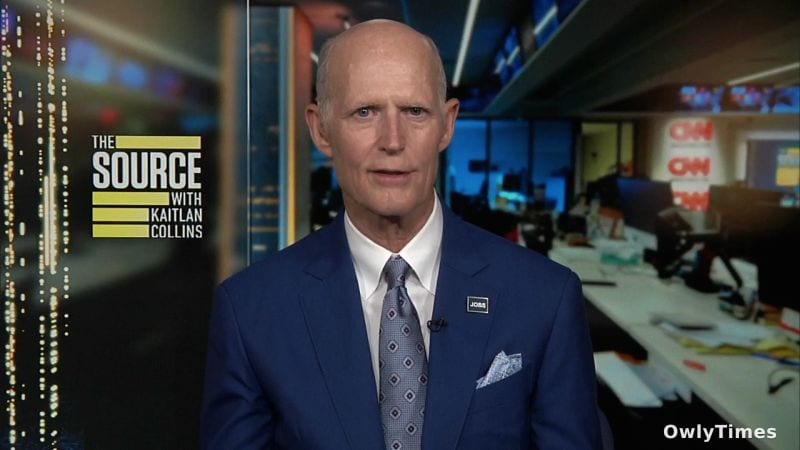
When Senator Rick Scott told Kaitlan Collins that the President should be able to continue the war with Iran without seeking authorization from Congress, he articulated a vision of governance that prioritizes speed and executive discretion over deliberation. Within this framework, the primary beneficiaries are the architects of the executive branch, who gain the agility to manage foreign policy without the political cost of public debate. Conversely, the losers are the legislative branch and the American electorate, whose ability to influence military trajectory—and the associated fiscal burden—is diminished.
This centralization of power mirrors historical tensions seen during previous conflicts where the executive branch pushed against the boundaries of the War Powers Resolution. Just as the nation has navigated the complexities of legislative oversight during the COVID-19 pandemic or the 2008 financial crisis, the current push to decouple military action from congressional approval sets a precedent that could permanently alter the scale of future interventions. By refusing to place a limit on war spending, proponents are removing the most potent tool Congress possesses: the power of the purse.
Internal Friction and Administrative Strategy
The administration’s stance is not without internal ideological defense. Secretary Hegseth has characterized lawmakers who push back against the current military direction as "defeatist" and the "biggest adversary" in the ongoing efforts regarding Iran. This rhetoric serves a dual purpose: it frames the conflict as an existential necessity while delegitimizing domestic political opposition. By labeling congressional skepticism as an impediment to national security, the administration seeks to insulate its strategy from the oversight typically provided by the Senate and House.
This tension is compounded by broader administrative priorities. While the House GOP recently reached a point of compromise to reopen key parts of the Department of Homeland Security—after a period of caving on ICE funding—the appetite for similar compromise on war powers appears significantly lower. The administration is banking on the idea that the political costs of a protracted, publicly debated war outweigh the risks of operating under a broad, unilateral interpretation of executive power.
Tracking the Shift in Fiscal Oversight
The most immediate indicator of this power struggle will be found in the ongoing legislative sessions regarding federal funding. With high-ranking senators signaling a refusal to cap spending on the conflict, the next reading of budgetary allocations for the Department of Defense will reveal whether the legislative branch has truly ceded its oversight role. If Congress fails to tether war-related expenditures to specific authorization votes, the current executive interpretation of war powers will likely become the new status quo, fundamentally shifting the balance of power in Washington. The trajectory of these funding debates serves as the primary metric for determining the durability of congressional authority in this administration’s foreign policy agenda.





