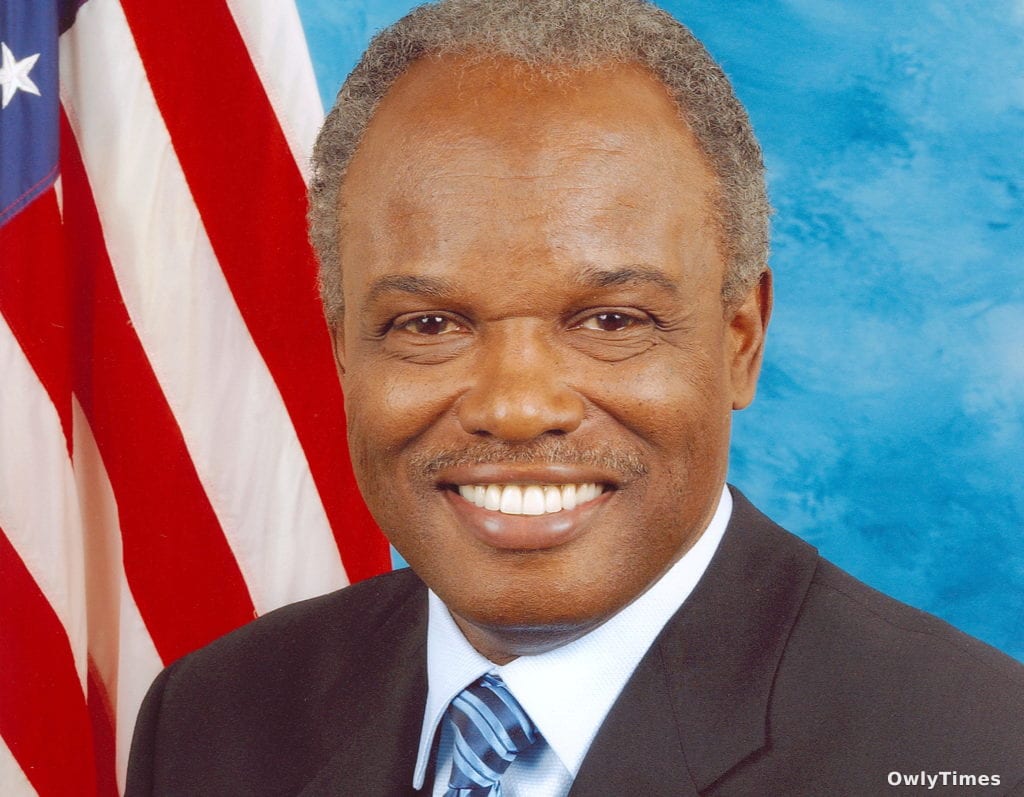

The passing of David Scott, an 80-year-old Georgia Democrat and the first Black chairman of the House Agriculture Committee, removes a fixture of the party’s moderate wing at a moment when the caucus is already grappling with the structural pressures of an aging leadership. His death does more than end a tenure spanning 13 terms; it fundamentally alters the math of a fractured House floor, granting Republicans a slightly wider margin in their 220-215 majority. For the GOP, this shift provides a fleeting but measurable cushion in a volatile midterm environment, while for Democrats, it forces an immediate pivot toward a special election in a district where the party’s internal divisions over age and efficacy have been simmering for years.
A Legacy Defined by Strategic Moderation
Scott’s political identity was rooted in his membership in the Blue Dog caucus, a group defined by its pragmatic, often centrist approach to governance. This positioning allowed him to bridge the gap between traditional Democratic farm-aid priorities and the broader consumer-focused food policies that defined his tenure. His most tangible legislative legacy, the securing of $80 million for historically Black land-grant schools within the 2018 Farm Bill, reflects a career that prioritized specific, durable wins over ideological signaling. By focusing on constituent services—such as the job and health fairs he frequently hosted—Scott managed to maintain a stronghold in his district even as the ideological center of gravity within the Democratic Party shifted away from the moderate policies he once championed.
Who Benefits and Who Loses
The immediate beneficiary of this vacancy is the Republican leadership, which gains a larger buffer in a House where every single vote is a potential point of failure. Conversely, the Democratic Party faces the double challenge of defending a seat in a special election while managing the optics of a primary process that had already exposed deep internal rifts. The primary challenges Scott faced in 2024, and the one he was navigating at the time of his death, highlighted a growing impatience within the party’s younger, progressive base. While House Minority Leader Hakeem Jeffries praised Scott as a "trailblazer," the reality is that the party had already begun moving on; he was ousted from his position as ranking minority member on the Agriculture Committee in 2024, a move driven by concerns over his health and age that mirror similar transitions within the Democratic leadership ranks.
Historical Parallels in the House
The death of a sitting lawmaker during a narrow-majority Congress is a recurring stress test for American legislative stability. Scott is the fourth House Democrat to die in office during this Congress, a statistic that underscores the fragility of current majorities. Much like the legislative gridlock that characterized past eras of razor-thin margins, the loss of any single member forces leadership to reconsider their whip counts and legislative priorities. When the margin is this thin, the death of a member is not just a personal loss for a caucus, but a functional disruption to the machinery of the House, forcing party leadership to scramble for replacements before critical votes on the floor.
Watching the Special Election Timeline
The upcoming political chess move lies in the scheduling of the special election to fill the remainder of Scott’s term. Because this process will potentially overlap with the elections for the next two-year term, the coordination between state officials and party apparatuses will dictate how quickly the Democrats can reclaim their lost vote. With early in-person voting for the May 19 party primaries already on the horizon, the speed at which the state of Georgia moves to fill this vacancy will serve as the next indicator of whether the party can consolidate its base or if the seat remains a source of institutional vulnerability as the midterms intensify.





