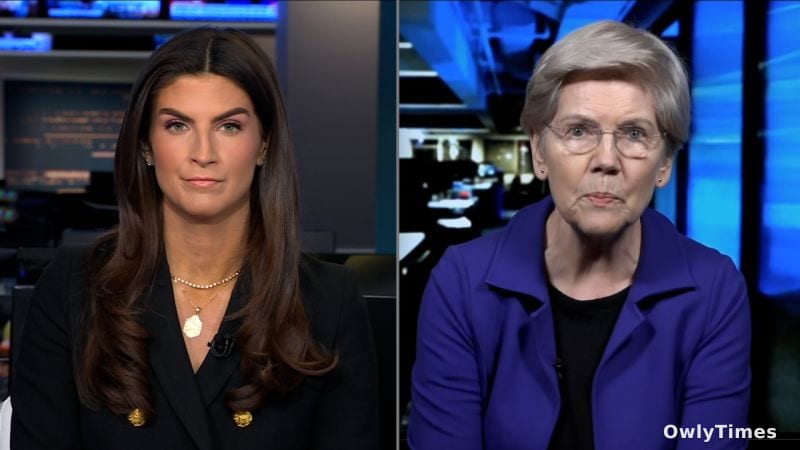

The Supreme Court’s recent ruling striking down Donald Trump’s tariffs isn’t simply a legal setback for the former president; it’s a calculated re-opening of a protectionist front in American trade policy, and a test of whether the Biden administration will capitalize on the opportunity – or be constrained by the same economic anxieties that fueled the initial tariffs. The core strategic calculation here isn’t about the legality of executive overreach, but about leveraging economic nationalism as a political tool, and the inherent risks of doing so. Senator Elizabeth Warren’s immediate response – “you got to give the money back” – cuts to the heart of the matter: the tariffs weren’t just about trade, they were a wealth transfer, and the question now is who ultimately bears the cost of their implementation and subsequent invalidation.
The Court’s decision, effectively deeming Trump’s use of the International Emergency Economic Powers Act (IEEPA) to justify the tariffs unlawful, impacts a range of goods subject to these duties, initially imposed in 2018 under the guise of national security concerns related to steel and aluminum imports. While the immediate financial impact is difficult to quantify precisely, the Peterson Institute for International Economics estimated that the tariffs cost U.S. consumers $3.2 billion annually. This figure, however, doesn’t account for the broader ripple effects on manufacturing supply chains and the retaliatory tariffs imposed by affected countries like China, Canada, and Mexico. Who benefits and who loses is starkly defined: American consumers and downstream manufacturers lost, while a limited number of domestic steel and aluminum producers saw short-term gains. The long-term effect, however, was a disruption of established trade relationships and increased costs for American businesses.
This situation echoes historical precedents, most notably the Smoot-Hawley Tariff Act of 1930. Enacted during the Great Depression, Smoot-Hawley aimed to protect American industries but ultimately exacerbated the economic downturn by triggering retaliatory tariffs from other nations, collapsing international trade, and deepening the global recession. While the scale of Trump’s tariffs was smaller, the underlying logic – prioritizing domestic industry over free trade – is remarkably similar. Both instances demonstrate the fallacy of believing protectionism can solve complex economic problems without inflicting significant collateral damage. The key difference is the political context: Trump explicitly framed the tariffs as a fulfillment of his campaign promises to bring back American jobs, tapping into a vein of economic populism that resonated with his base.
Source material: CNN.
The Biden administration now faces a delicate balancing act. While publicly welcoming the Court’s decision as a check on executive power, they’ve been hesitant to immediately dismantle all remaining tariffs imposed during the Trump era, particularly those targeting China. This reluctance stems from a recognition that the underlying anxieties about unfair trade practices and the loss of American manufacturing jobs haven’t disappeared. The administration is conducting ongoing reviews of existing tariffs, but the pace is slow, and the criteria for removal remain unclear. This cautious approach suggests a desire to avoid being perceived as “soft on China” or abandoning American workers, even as the economic costs of the tariffs become increasingly apparent. The political calculus is clear: the administration wants to reap the benefits of lower prices resulting from the Court’s decision without alienating key constituencies.
Warren’s call for restitution – “give the money back” – is a pointed critique of this cautious approach. She argues that companies who paid the tariffs should be reimbursed, effectively shifting the cost back to the government and, ultimately, to taxpayers. This proposal, while politically appealing to progressive voters, faces significant practical and legal hurdles. It also highlights a fundamental tension within the Democratic party: between the desire for free trade and the need to address the economic grievances of working-class voters. The question now isn’t just whether the tariffs will be lifted, but whether the administration will actively seek to redress the economic harm they caused. The next political chess move to watch is whether the Biden administration will initiate a formal process for tariff refunds, and if so, under what conditions. This will reveal whether they intend to truly dismantle the legacy of Trump’s trade policies or simply manage them with a different tone.