
The confetti hadn’t even fully settled in Las Vegas, the echoes of “Viva Las Vegas” still ringing in ears, when the subtle tremors began in Seattle. It wasn’t a star player demanding a trade, or a controversial draft pick. It was Rick Dennison, the Seattle Seahawks’ run game coordinator, quietly packing his playbook for a move to join Klint Kubiak’s newly minted Raiders staff. Reported by CBS Sports’ Matt Zenitz on Monday evening, the move feels less like a simple coaching change and more like a continuation of a decades-long family reunion, one that’s reshaping the NFL’s coaching landscape. It’s a story about loyalty, lineage, and the quiet power brokers who shape the game from the sidelines, and it speaks to a larger trend of coaching trees taking root across the league.
The Kubiak Network Takes Vegas
This isn’t just Dennison following a former colleague; it’s a deeply interwoven history unfolding in the desert. He and Klint Kubiak previously worked together in New Orleans and Minnesota, but the connection runs far deeper. Dennison spent years as an assistant under Klint’s father, Gary Kubiak, and even played alongside him during their days as teammates on the Denver Broncos. This isn’t about finding the best talent; it’s about building a culture, a system, a shared language forged over years of shared experience. The Raiders aren’t just hiring coaches, they’re importing a philosophy. While the Seahawks are largely retaining their core staff – including stalwarts like offensive line coach John Benton and defensive backs coach Karl Scott – the loss of Dennison alongside Kubiak and quarterbacks coach Andrew Janocko reveals a clear pattern. Kubiak is building his empire with those he trusts implicitly, those who understand the nuances of his vision without needing lengthy explanations.
This piece references the fieldgulls.com report.
Beyond the Run Game: The Value of Institutional Knowledge
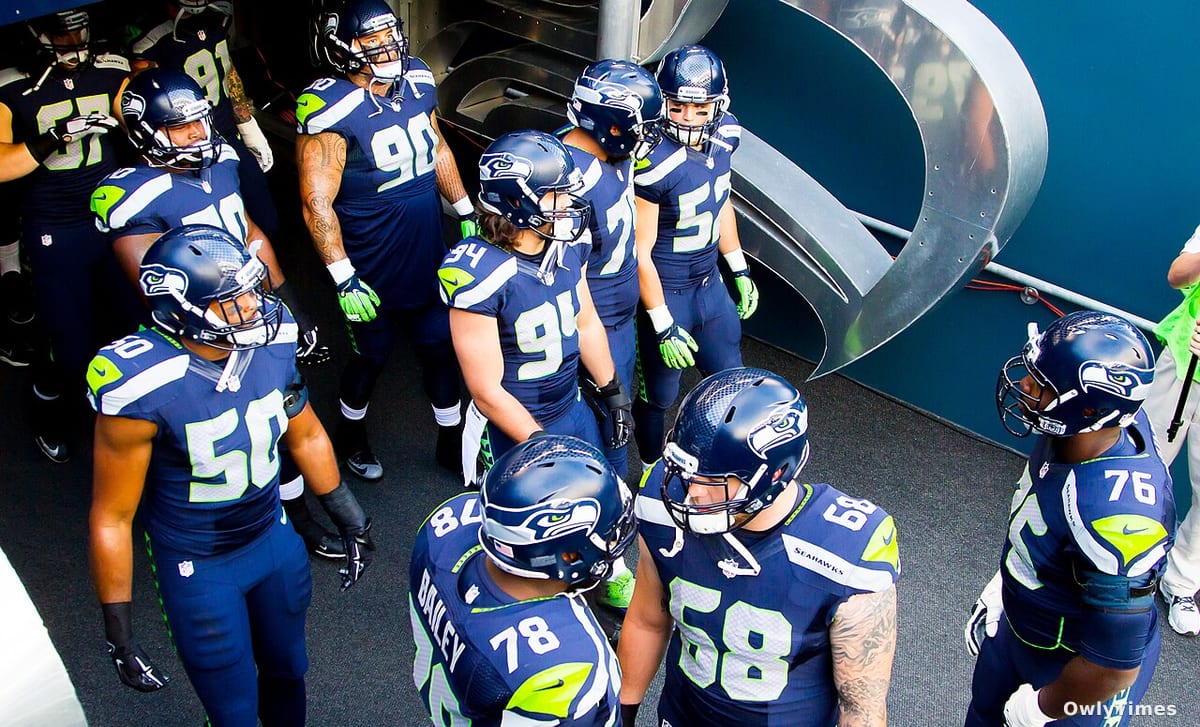
The role Dennison will fill in Vegas remains “undisclosed,” but speculation points towards an advisory position. This is where the story gets interesting. Dennison was brought on by Seattle last season as a run game coordinator, a role he hadn’t held since 2020. His expertise isn’t necessarily about flashy innovation; it’s about consistency, reliability, and a deep understanding of fundamental football. In a league obsessed with offensive fireworks, that kind of grounding is increasingly valuable. The Seahawks, coming off a successful 2025 season culminating in Dennison’s fourth Super Bowl win as a coach, aren’t scrambling to fill the void. They have internal options, like potentially promoting specialist Justin Outten to run game coordinator. But the departure highlights a quiet crisis in the NFL: the undervaluing of experienced assistants. These are the coaches who don’t grab headlines, but who quietly shape the players and the schemes that do.
The Ripple Effect of Coaching Exodus
The Seahawks’ relative stability – retaining most of their staff while the Raiders raid their ranks – is noteworthy. In an era of constant coaching turnover, where head coaches are often on a short leash, Seattle is demonstrating a commitment to continuity. This is a deliberate strategy, a bet that a stable environment will yield long-term success. However, the broader trend is concerning. The NFL is becoming increasingly reliant on “coaching trees,” where successful head coaches bring their proteges with them, creating a closed ecosystem of opportunity. While this fosters loyalty and shared philosophies, it also limits access for coaches outside those established networks. The number of assistant coaching changes across the league in February 2026 is up 18% compared to the same period last year, according to data compiled by the NFL Coaches Association, and the vast majority are tied to head coaching hires and the subsequent staffing of their inner circles.
What Happens When Loyalty Trumps Opportunity?
The Seahawks’ situation isn’t a disaster, but it’s a warning. They’ve lost valuable institutional knowledge to a rival, not because Dennison was offered a better title or a bigger paycheck, but because of a deeply personal and professional connection. This raises a crucial question: how do teams retain experienced assistants when loyalty and lineage often outweigh traditional career advancement? Will we see a future where assistant coaches are offered more robust contracts, greater autonomy, and clearer paths to promotion, or will they continue to be seen as expendable pieces in the larger game of NFL musical chairs? The Raiders’ success – or failure – under Klint Kubiak will be a closely watched case study, not just for his offensive schemes, but for the power of the coaching network he’s assembled. The league will be watching to see if this model of loyalty and shared history can translate into wins, or if it ultimately reinforces the existing inequalities within the coaching ranks.