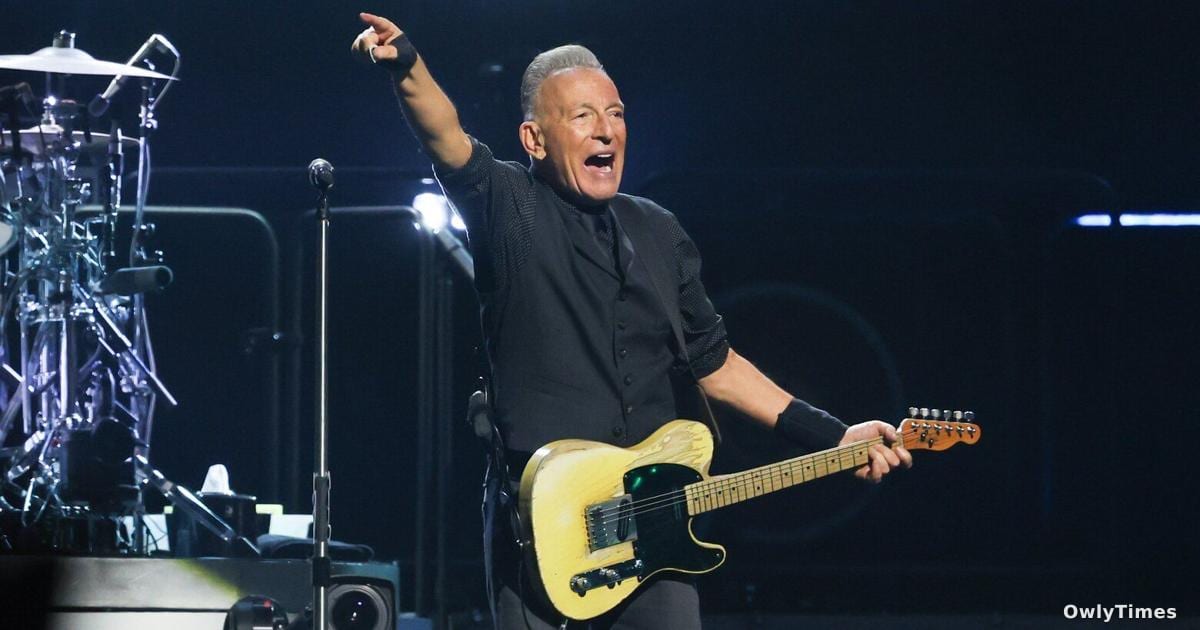

The air in Climate Pledge Arena still smelled faintly of popcorn and disappointment last spring. Not from a bad show, but from a show that wasn’t happening. When Bruce Springsteen announced his “Land of Hope & Dreams American Tour,” Seattle was conspicuously absent from the map, a glaring omission for a city that practically bleeds denim and anthems. Then, just months later, the sting repeated itself with Bruno Mars, opting for Vancouver and Portland instead of gracing Lumen Field with his signature swagger. It wasn’t just the missed concerts; it was the feeling, simmering beneath the surface of social media outrage, that Seattle was being… overlooked. In a market consistently ranked among the top fifteen in the nation, are we, as music fans, somehow deemed unworthy of the spectacle?
This isn’t a new lament. Seattle’s relationship with touring artists has always been a complicated one, punctuated by moments of perceived snubbery. The 2019 uproar over Ariana Grande’s tour route felt like a precursor, a warning shot across the bow of Seattle’s collective music-loving heart. But the recent high-profile skips have reignited the debate, forcing a reckoning with a question many fans have quietly harbored: is Seattle losing its luster? The answer, as Ali Hedrick, a partner and agent at the world’s largest independent music booking agency, ROAM, explains, is far more nuanced than a simple “yes” or “no.” It’s a complex equation of logistics, economics, and a surprising amount of weather data.
Hedrick, a longtime Seattle booking agent now based in New York, is unequivocal: “Every manager, agent and artist wants to play Seattle.” The city consistently ranks high in desirability, but desire doesn’t automatically translate to dates on a tour schedule. Building a tour, she explains, is like assembling a massive, intricate puzzle. It’s not just about hitting the biggest markets; it’s about navigating a labyrinth of production logistics, venue availability, artist rest days, and, crucially, the bottom line. The assumption that artists simply want to avoid Seattle ignores the sheer weight of these practical considerations. It’s a business, after all, and even rock and roll icons have to crunch numbers.
This piece references the yakimaherald.com report.
Take Springsteen’s tour, for example. His decision to launch in Minneapolis wasn’t arbitrary. It was a deliberate statement, a nod to the city’s role as a focal point in protests against ICE operations. He even debuted a new protest anthem, “Streets of Minneapolis,” outside the Minnesota Capitol. This political alignment, coupled with the logistical realities of a 76-year-old artist needing ample rest between shows, likely narrowed the window for Seattle dates. Hedrick points out the added pressure of competing with the Seattle Kraken’s condensed schedule during an Olympic year. “If (artists) get larger and need to be playing in arenas, you're competing with sports,” she said. “Sometimes you rearrange your timing…and it doesn't fit with what's available on the calendar.” The Tacoma Dome, once a viable alternative, has seen its concert market share dwindle with the opening of the newer, more attractive Climate Pledge Arena.
But it wasn’t just scheduling conflicts. For Mars, the Pacific Northwest’s notoriously unpredictable October weather played a significant role. Hedrick revealed that agents routinely analyze a decade’s worth of weather data before committing to outdoor shows in Seattle. “I wouldn't want to go outdoors that late in the season in Seattle,” she admitted. This seemingly minor detail underscores a larger truth: even the most glamorous tours are subject to the mundane realities of risk assessment. The cost of moving a massive stadium show – complete with 60-foot prop snakes, as Hedrick vividly described – is astronomical. Sticking to one location for multiple nights, as Mars did in Vancouver, is simply more economical.
Beyond the logistics, the competitive landscape of concert promotion also comes into play. Promoters, Hedrick explained, are often willing to “over-offer” to secure exclusive shows, potentially swaying an artist’s decision. This behind-the-scenes bidding war can create a situation where Seattle gets outbid, not because it’s undesirable, but because another city is willing to pay more. Finally, there’s the simple fact of geography. Seattle’s relative isolation, while historically contributing to its unique musical identity, can make it a logistical headache to incorporate into a national or international tour. As Hedrick put it, “Artists, generally speaking, don't like to be on the road longer than three weeks to a month tops.”
Seattle isn’t a city that’s being systematically avoided. It’s a city that presents unique challenges, a city where the puzzle pieces just don’t always fit. It’s a reminder that the relationship between artists and their fans is a complex negotiation, driven by factors far beyond artistic preference. The question now isn’t whether Seattle is “worthy” of a visit, but whether the industry will adapt to the city’s specific needs and constraints. Will promoters be willing to invest more to secure Seattle dates? Will artists prioritize geographic diversity over pure economic efficiency? As the concert landscape continues to evolve, Seattle fans should be watching closely to see if their city can reclaim its place as a must-stop destination for the world’s biggest stars.