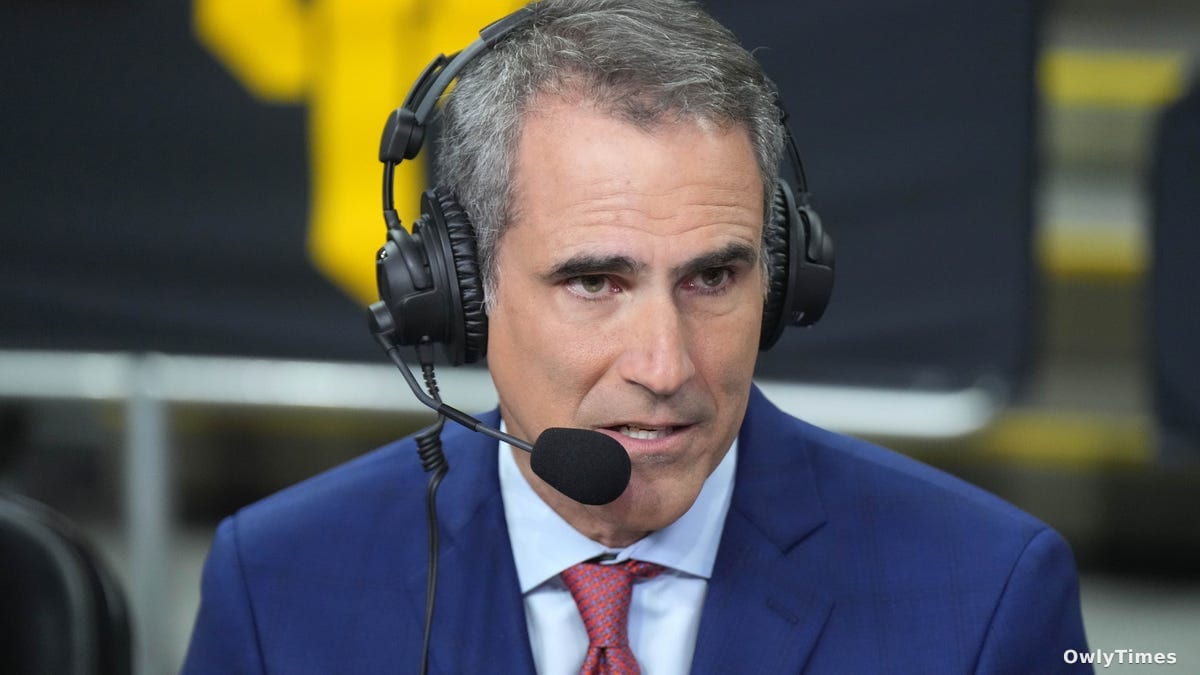

The air in the Fiserv Forum hung thick with disbelief Sunday afternoon, not because Purdue was winning – though a 79-69 victory over Miami is never a given in March – but because Seth Davis was eating his words. The CBS Sports analyst, a fixture of March Madness coverage, had confidently predicted a Hurricanes upset just hours before the Boilermakers dug deep and survived. It wasn’t just a bad prediction; it was a public one, and Purdue fans were quick to remind him. But beyond the playful ribbing and bracket-busting, Davis’s quick reversal speaks to a larger truth about this Purdue team: they’re built for the messiness of tournament play, and that’s a quality often overlooked in the pursuit of stylistic brilliance.
The Resilience Factor: Why Purdue Thrives in Chaos
Davis’s initial attraction to Miami centered on their “quickness,” a trait that often overwhelms Purdue’s traditionally deliberate offense. And for a half, it seemed he was right. But Purdue didn’t crumble. Instead, they weathered the storm, even as key players faltered. Braden Smith, a cornerstone of their offense, had an uncharacteristically rough outing, and freshman Oscar Cluff found himself in early foul trouble. Then came the injury to C.J. Cox, forcing him to leave the game early in the second half after a painful landing. Yet, Purdue didn’t panic. Fletcher Loyer and Trey Kaufman-Renn stepped up, leading the charge and demonstrating a composure that Davis himself recognized as “championship DNA.” This isn’t a team reliant on a single star or a perfect game plan; it’s a team that finds a way to win even when things go wrong. That’s a rare and valuable commodity in a tournament designed to expose weaknesses.
Beyond the Box Score: A Shift in Tournament Archetypes
The Boilermakers’ shooting woes in the second half – a dismal 1 of 10 from three-point range – would have been a death knell for many teams. But Purdue compensated. They dominated the boards, played stifling defense, and simply refused to let Miami dictate the pace. This resilience is a departure from the prevailing narrative in modern college basketball, which often prioritizes offensive firepower and three-point shooting above all else. The 2024 tournament has already seen several high-scoring, offensively-driven teams fall victim to more fundamentally sound opponents. Purdue, with its emphasis on interior play and defensive toughness, is a throwback to a different era, and Davis’s shift in perspective suggests a growing recognition that this style can still succeed – and perhaps even thrive – in the current landscape. The national average for three-point shooting in the tournament is hovering around 33%, but Purdue’s ability to win despite a cold shooting night is what sets them apart.
Original reporting: indystar.com.
The Texas Test: A Favorable Matchup on Paper
Looking ahead to Thursday’s Sweet 16 matchup against Texas, Davis now favors Purdue, citing a “more favorable stylistic matchup.” The Longhorns play a slower, more physical game, relying on their size and strength in the paint. This plays directly into Purdue’s strengths. While Miami’s quickness presented a challenge, Texas’s interior focus should allow Purdue to control the tempo and exploit their size advantage. This isn’t to say Texas will be an easy opponent – they are a formidable team in their own right – but the matchup aligns more favorably with Purdue’s established identity. The Boilermakers are currently favored by 3.5 points, a relatively small spread indicating a closely contested game, but Davis’s assessment suggests Purdue has a clear path to the Elite Eight.
What This Means for the Future of March Madness
Davis’s public about-face isn’t just about one game or one team. It’s a microcosm of a larger shift in how we evaluate college basketball programs. For years, the emphasis has been on recruiting high-scoring guards and building offenses predicated on three-point shooting. But Purdue’s success, and the success of other teams prioritizing fundamentals and resilience, suggests that a more balanced approach is equally viable. The question now is whether coaches will take notice. Will we see a renewed emphasis on interior play, defensive toughness, and developing players who can thrive in chaotic situations? Or will the pursuit of offensive firepower continue to dominate the recruiting landscape? The coming years will reveal whether Purdue’s run is an anomaly or a harbinger of a new era in March Madness. Will other programs attempt to replicate their blueprint, or will the allure of the three-pointer prove too strong to resist?

