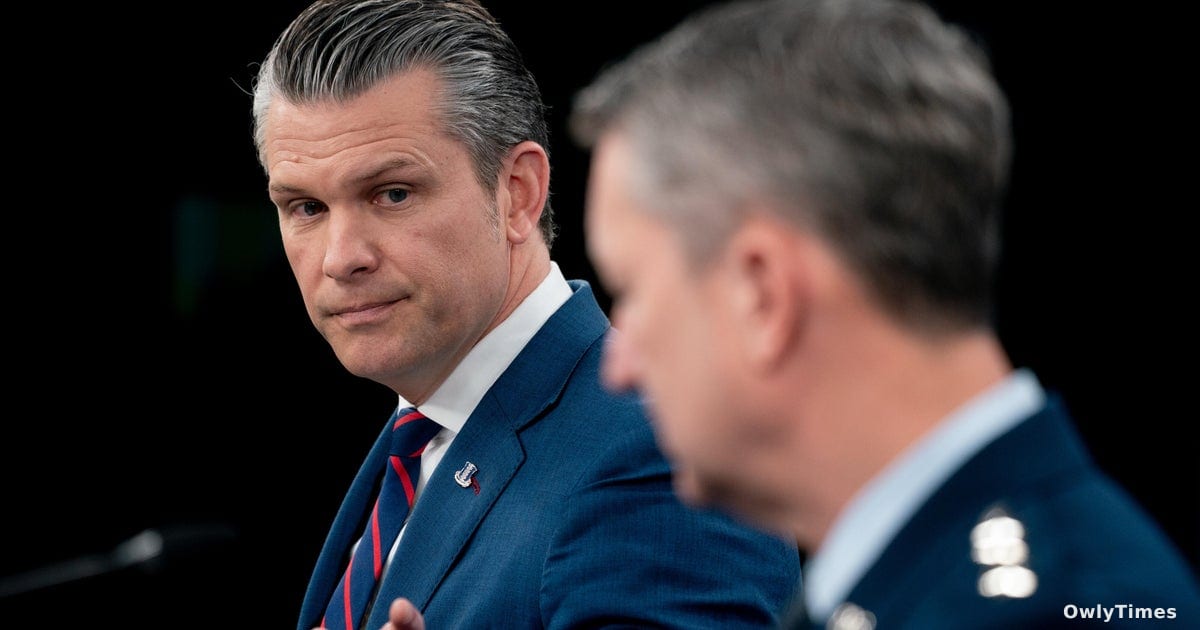

Is this really a war about oil, or are we being sold a bill of goods? The escalating conflict in Iran, now entering a phase Defense Secretary Pete Hegseth bluntly calls the “largest strike package yet,” isn’t simply a response to Iranian aggression – it’s a meticulously calculated gamble with global energy markets, and ordinary Americans will be the ones footing the bill. The real story here isn't the tactical strikes against Iranian military infrastructure – it's the looming energy crisis and the increasingly erratic pronouncements from former President Donald Trump that reveal the true stakes.
The numbers are stark. Crude futures surged past $97 a barrel, natural gas jumped 3%, and Brent crude hit $111.87 – a 4% increase in a single day, according to Reuters reports from Thursday. These aren’t abstract figures for Wall Street traders; they translate directly into higher prices at the pump, increased heating costs, and a ripple effect throughout the economy. While Hegseth insists this isn’t another “endless abyss” like Iraq or Afghanistan, the economic consequences are already starting to feel eerily familiar. The Pentagon’s request for an additional $200 billion, reported by The Washington Post, isn’t just about “killing bad guys,” as Hegseth put it. It’s about funding a prolonged engagement that will inevitably strain the US economy and potentially trigger a wider global recession.
This piece references the CBS News report.
The situation reached a dangerous inflection point with strikes on critical energy infrastructure. Iran targeted Qatar’s Ras Laffan, the world’s largest LNG terminal, and Israel retaliated by hitting Iran’s South Pars gas field, shared with Qatar. This isn’t about military targets; it’s about disrupting the flow of energy. Trump’s subsequent social media outburst – claiming the US “knew nothing” about Israel’s strike and threatening to “massively blow up” South Pars if Iran retaliates against Qatar – underscores the volatile and unpredictable nature of the current leadership. It’s a level of brinkmanship that feels less like strategic calculation and more like a desperate attempt to project strength. The fact that Joint Chiefs Chairman Dan Caine highlighted the use of 5,000-pound penetrator weapons targeting underground facilities suggests the US isn’t just aiming for symbolic strikes, but a systematic dismantling of Iran’s ability to project power.
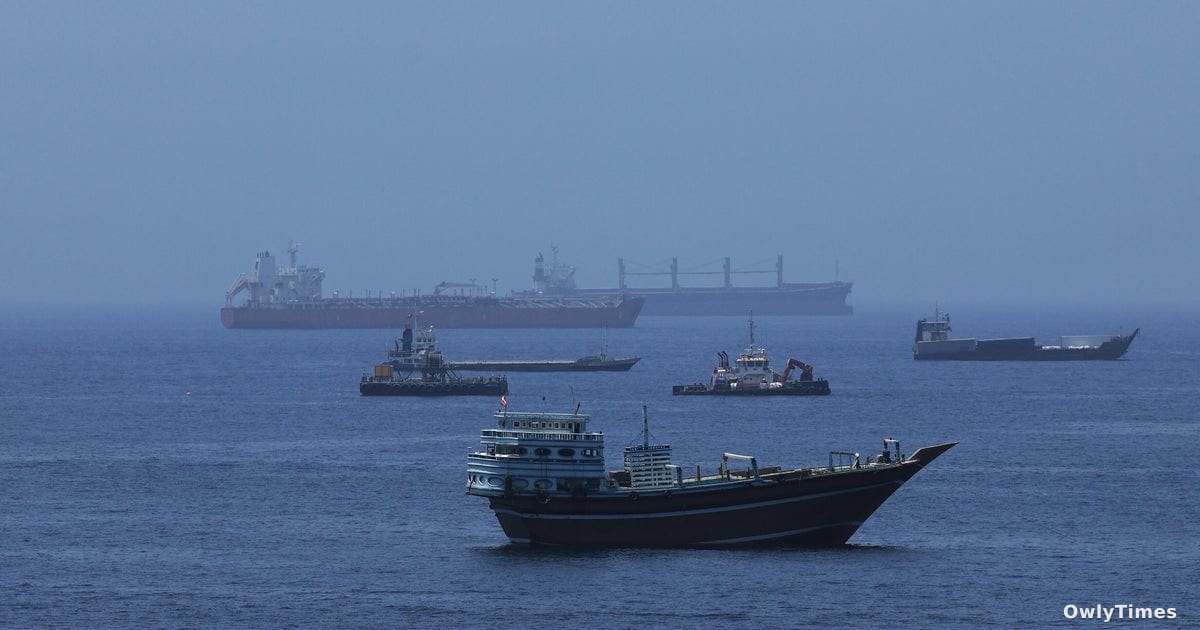
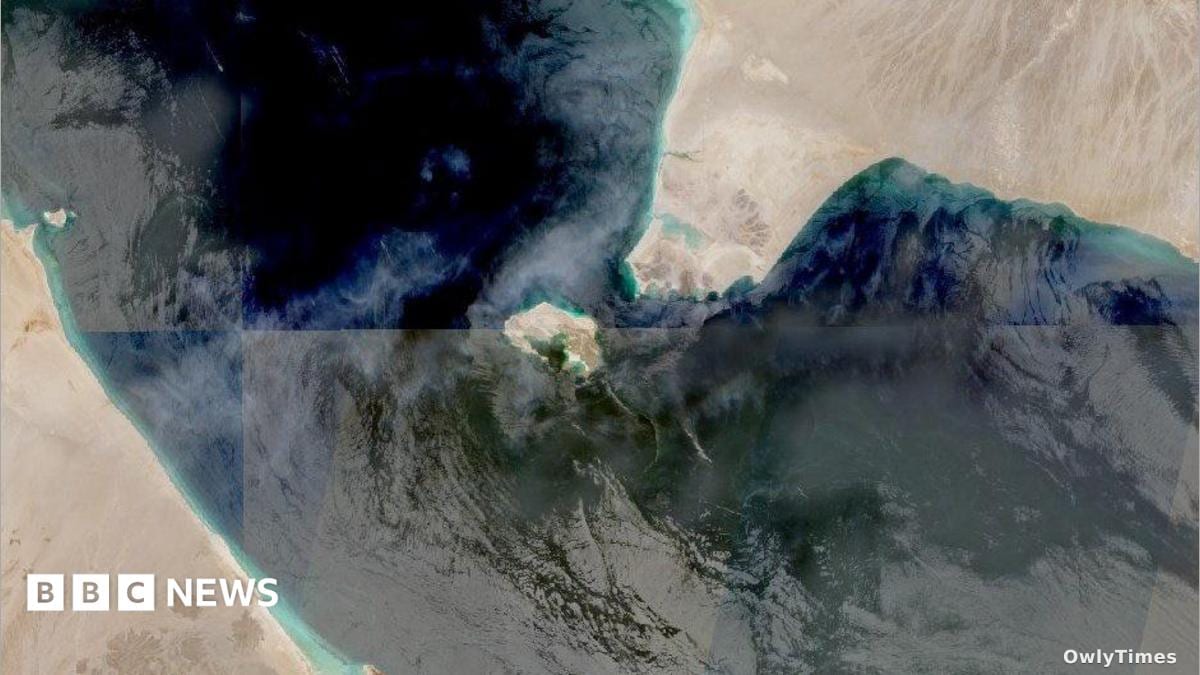
What’s particularly unsettling is the disconnect between official pronouncements and the reality on the ground. Director of National Intelligence Tulsi Gabbard admitted to the Senate that the Iranian regime, despite US and Israeli efforts, “appears to be intact,” albeit “largely degraded.” This suggests the strikes, while significant, haven’t achieved their stated goal of crippling Iran’s leadership. Meanwhile, the closure of the Strait of Hormuz – effectively cutting off a vital artery of global oil supply – is forcing the US to scramble for solutions, demanding other nations “be responsible” for securing the waterway. NATO Secretary General Mark Rutte’s vague assurances of “discussing the best way” to reopen the strait ring hollow when weighed against the immediate economic impact. The FBI investigation into former National Counterterrorism Center Director Joe Kent for allegedly leaking classified information adds another layer of intrigue, hinting at internal dissent and a potential cover-up regarding the administration’s handling of the conflict.
The narrative being pushed by the Hegseth administration – that this is a decisive, targeted operation unlike past “foolish” wars – is a convenient fiction. The escalating costs, the attacks on energy infrastructure, and Trump’s increasingly erratic behavior all point to a far more dangerous and complex situation. The question isn’t whether this will be a “forever war,” but whether the administration is prepared to deal with the consequences of a sustained energy crisis and a potentially destabilized global economy. Watch for a significant spike in gas prices heading into the fall, and more importantly, watch whether the administration attempts to deflect blame by accusing oil companies of price gouging – a tactic that will only mask the true source of the problem.