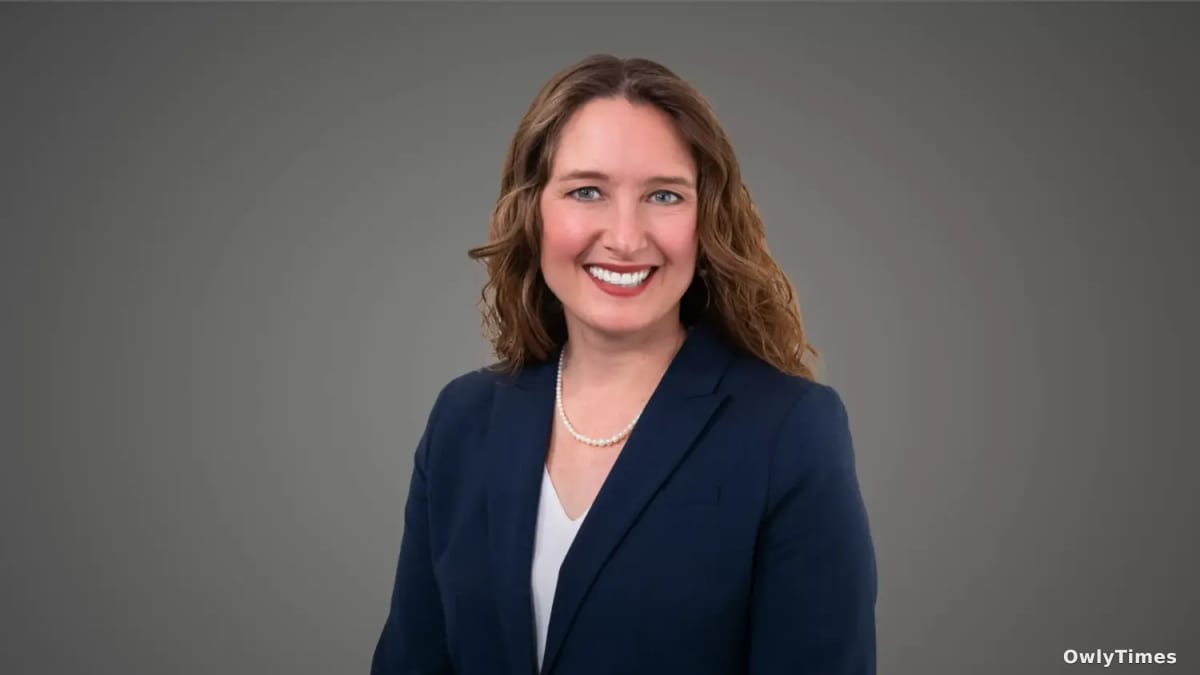

When a federal agency tasked with protecting public health undergoes a leadership transition, the central question is whether the incoming personnel possess the necessary technical expertise to navigate complex epidemiological crises. The recent selection of Dr. Jennifer Shuford to serve as deputy director and chief medical officer of the Centers for Disease Control and Prevention (CDC) brings this tension into sharp relief. By moving a career official from the state level to the federal stage, the administration is signaling a desire to integrate frontline, state-based experience into the national public health infrastructure.
Bridging State Experience and National Policy
President Donald Trump announced Shuford’s selection via his social media platform, Truth Social, framing the move as part of an effort to "restore the gold standard of science" at the federal agency. Shuford, who has served as commissioner of the Texas Department of State Health Services (DSHS) since 2022, is well-versed in the logistical realities of outbreak management. Prior to her commissionership, she functioned as the state’s chief epidemiologist, a role that placed her at the helm of Texas’ response to the COVID-19 pandemic.
The scientific community often debates the efficacy of state-level health policy when scaled to a national level. However, supporters of the appointment point to her academic and practical foundation. Shuford trained as an infectious disease physician at the University of Texas Southwestern Medical School and holds a Master of Public Health from Harvard University. This combination of clinical training and public health education is the traditional bedrock for high-level federal health appointments, providing a clear methodology for analyzing data-driven health outcomes.
Distinguishing Leadership Roles from Political Appointments
It is important to clarify the distinction between Shuford’s role and that of her colleagues. While Trump’s pick for CDC director, Dr. Erica Schwartz, faces a mandatory U.S. Senate confirmation process, Shuford’s position as deputy director does not require such legislative approval. This means Shuford will be able to assume her duties without the public vetting that typically accompanies high-level federal appointments.
While headlines have focused on the administration's broader goals for the CDC, the actual administrative shift involves the departure of a leader who managed one of the nation's most complex state health agencies. Dr. Joseph Kanter, CEO of the Association of State and Territorial Health Officials (ASTHO), noted in a news release that Shuford’s background as a "frontline infectious disease physician" is a key asset. This perspective is vital, as the day-to-day operations of the CDC often rely on the precise, boots-on-the-ground data collection that state commissioners oversee.
Evaluating the Vaccine Policy Divide
A notable tension exists between the incoming CDC leadership and the broader political landscape of the Department of Health and Human Services. Shuford, along with Schwartz, has historically advocated for the importance of vaccines. This stance contrasts with the public statements of Health and Human Services Secretary Robert F. Kennedy Jr., who has expressed skepticism regarding vaccine safety and efficacy.
During her tenure at DSHS, Shuford specifically oversaw the state’s response to the West Texas measles outbreak of 2025, consistently using her platform to emphasize the necessity of vaccination in preventing community transmission. Whether these internal differences in philosophy will create friction in future policy remains the primary uncertainty.
Limitations and Future Transitions
The effectiveness of this transition will depend heavily on the continuity of data reporting between the DSHS and the federal government. A significant limitation to consider is that the shift leaves a leadership void in Texas. The executive commissioner of the Texas Health and Human Services Commission is now tasked with finding a successor, a process that could impact the state’s immediate response capabilities.
The next measurable signal of this transition’s impact will be the naming of Shuford’s successor at the DSHS. This appointment will reveal how the state intends to maintain the epidemiological momentum established during the 2025 outbreak response, providing a clear indicator of whether the Texas public health apparatus will remain aligned with the strategies Shuford championed during her time in Austin.





