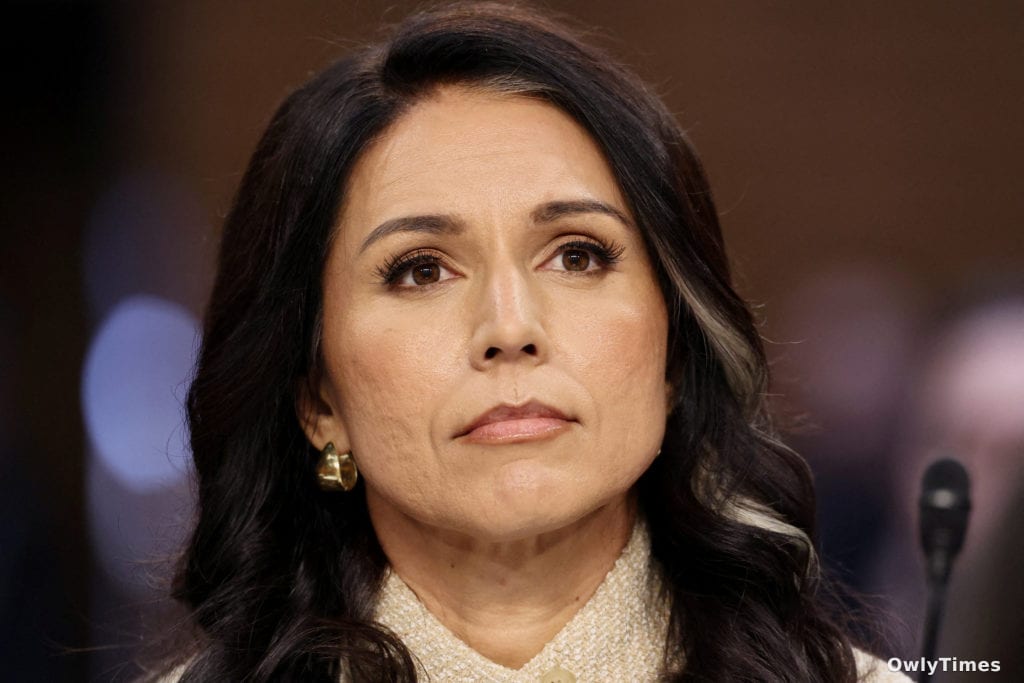

The resignation of Tulsi Gabbard as director of national intelligence represents a calculated pivot in the administration’s internal architecture, forcing a sudden realignment of the president’s security apparatus. By announcing her departure effective June 30, 2026, Gabbard has initiated a high-stakes transition period that strips the White House of a key intelligence lead while the administration is still grappling with the personnel churn characteristic of its second term. The strategic calculus here is personal, yet the ripple effects are inherently political, as the exit creates a vacuum at the helm of the intelligence community that will inevitably trigger a scramble for influence among competing factions within the executive branch.
Personnel Churn and Institutional Stability
Gabbard is the fourth Cabinet official to depart during Donald Trump’s second term, a frequency of turnover that speaks to the volatility of the current administration’s inner circle. Historically, such rapid attrition within a presidential Cabinet is often viewed as a signal of internal ideological friction or executive dissatisfaction, reminiscent of the staffing turbulence that defined the administration’s earlier years in office. For the intelligence community, which relies on consistent, long-term strategic guidance to manage global threats, this level of instability complicates the executive branch’s ability to project authority on the world stage.
Who benefits and who loses in this departure is clear: the administration loses a high-profile figure who navigated the transition from a political outsider to a central intelligence gatekeeper, while rival political factions now gain a window of opportunity to install a successor more aligned with their own specific policy agendas. The loss of a director during a period of ongoing global instability suggests that the White House will prioritize continuity over radical redirection in the search for a replacement.
The Human Cost of Political Service
Gabbard’s explanation for her departure—that her husband, Abraham, has been diagnosed with an extremely rare form of bone cancer—adds a layer of gravity to the vacancy. While public life often demands that personal crises remain secondary to political obligations, the resignation letter posted on X underscores the reality that even the most powerful positions are susceptible to the unpredictability of personal health. This specific, urgent trigger for her exit distinguishes this resignation from the typical political fallout often associated with Cabinet departures.
The institutional impact of a director stepping down due to a family crisis is fundamentally different from a departure based on policy disagreement. The administration cannot simply pivot to a new policy direction; it must instead manage a search for a candidate who possesses the requisite security clearances and the trust of the president under an accelerated timeline.
Navigating the Intelligence Vacuum
The timeline established by Gabbard’s resignation letter creates a definitive countdown for the administration. With the departure date set for June 30, 2026, the White House is now operating under a fixed deadline to identify and confirm a successor to lead the intelligence community. This creates a measurable process that will serve as a barometer for the administration’s current influence in the Senate and its ability to maintain control over its own appointments.
The next reading of the administration’s stability will be found in the speed and selection process of the nominee for the director of national intelligence position. Whether the White House selects an intelligence veteran to soothe institutional nerves or a political loyalist to consolidate control will indicate the administration's strategic priority for the remainder of its term. The clock is now running on the search for a new intelligence lead, and the success of that transition will determine the continuity of the administration’s broader security policy.