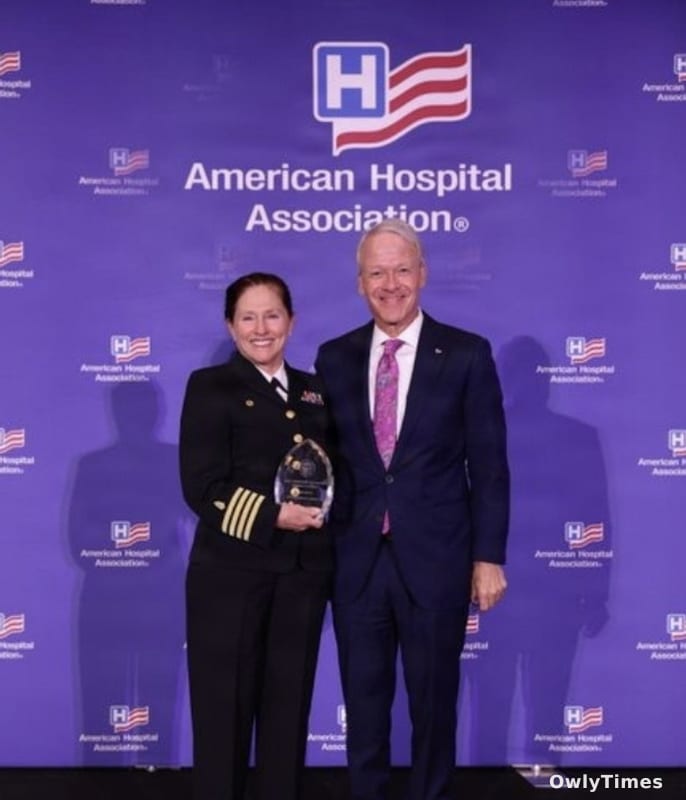

How do we reconcile the logistical constraints of military medicine with the demand for cutting-edge, specialized clinical outcomes? For years, the federal health system has wrestled with the gap between large, tertiary care hubs and smaller, remote treatment facilities. The recognition of Elizabeth Adriano, director of Naval Medical Center San Diego (NMCSD), with the 2026 Federal Health Care Executive Award for Excellence by the American Hospital Association (AHA) on April 17, offers a window into how institutional leadership is closing that divide.
Scaling Critical Care Beyond the Hub
While headlines often celebrate individual achievement, the substance of Adriano’s recognition lies in her methodology for systemic integration. The core of her recent work involves the expansion of the Virtual Medical Operations Center to 26 military treatment facilities. By establishing a joint tele-critical health capability, the initiative fundamentally alters the patient-transfer paradigm. Rather than moving patients out of smaller facilities for advanced care, the center brings the expertise to the bedside, effectively providing 24/7 tele-critical care support. This approach prioritizes patient stability while simultaneously easing the burden on transport logistics and secondary facilities.
Integrating Advanced Technology into Patient Pathways
Beyond virtual operations, Adriano has focused on the implementation of the Maxillofacial Restoration Program. This initiative operates across nine distinct clinical pathways, moving away from fragmented treatment toward a holistic recovery model. By integrating 3D printing and telehealth into the standard of care, the program seeks to restore both health and function in complex reconstructive cases.
It is important to note the distinction between the program’s stated outcomes and the broader medical narrative. While the initiative has successfully reduced hospital lengths of stay and curtailed the reliance on post-operative pain medication, these results should be viewed as institutional successes within the military health system. The program's true impact on return-to-duty rates is the metric that currently validates its clinical utility. When the AHA president and CEO Rick Pollack noted that federal health systems contribute to advancing care for both public and private sectors, he highlighted the potential for these military-driven workflows to inform civilian medical practice.
Limitations and Systemic Scale
Despite these advancements, it is essential to consider the limitations inherent in such a vast operation. NMCSD manages a workforce of more than 5,500 active-duty military personnel, civilians, and contractors. Scaling technological interventions across 26 distinct facilities requires immense coordination, and the long-term sustainability of the Maxillofacial Restoration Program will depend on its ability to maintain these specialized pathways as technology evolves. The success of these programs currently relies on the organizational infrastructure Adriano has built to support them.
The next readings of patient recovery metrics and hospital stay durations within the Maxillofacial Restoration Program will indicate whether these clinical pathways can be successfully replicated across other departments within the military health system. As the federal health system looks to refine its care delivery, the data emerging from these 26 sites will serve as a primary indicator of whether tele-critical health can permanently replace traditional transfer-heavy models of military medicine.