
The Calculus of Concession: How a Shifting White House Position Reshapes the Shutdown Standoff
The current partial government shutdown isn’t simply a clash over border security funding; it’s a calculated risk assessment by the White House, signaling a strategic retreat from previous hardline stances. As President Trump faces mounting pressure – not just from Democratic leadership, but from increasingly visible public discontent over ICE actions and a recent Minneapolis incident – the administration is subtly shifting its negotiating position. This isn’t a sudden embrace of compromise, but a pragmatic acknowledgement that maintaining a rigid stance carries escalating political costs. The admission, relayed by a senior White House official to NPR’s Tamara Keith, that “Ultimately, there will have to be a compromise” represents a significant departure from the previous shutdown strategy where Democrats were simply told to reopen the government without negotiation. This pivot isn’t about policy conversion, it’s about damage control.
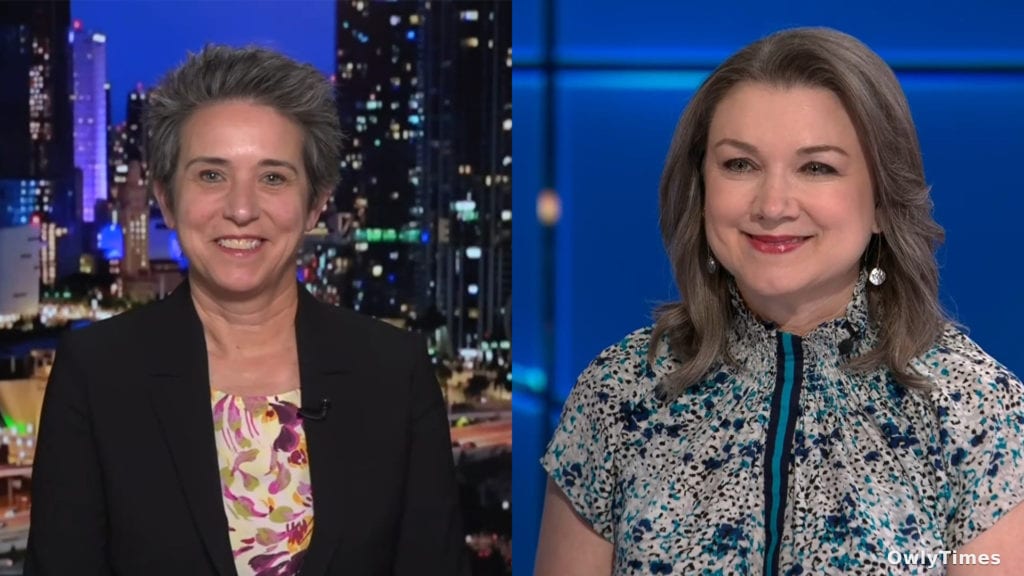
The dynamic at play is a classic power shift. For years, Democrats have found themselves on the defensive in immigration debates, consistently reacting to Republican initiatives. But as Amy Walter of the Cook Political Report observes, Democrats are now “coming into a conversation about immigration on the front foot.” This isn’t due to a sudden surge in public support for Democratic immigration policies, but rather a growing unpopularity of Republican approaches, particularly concerning the actions of ICE and Border Patrol. Polling data, including a recent Democratic poll highlighted by Walter, indicates surprising public openness to “commonsense reform” – specifically, enhanced training for ICE agents to reduce instances of violence. This creates a vulnerability for the GOP, as the narrative shifts from Democrats obstructing border security to Republicans implementing policies that generate negative headlines and public backlash. Who benefits and who loses here is clear: Democrats gain leverage, Republicans face the blame for a potentially escalating crisis, and the public, weary of political gridlock, demands resolution.
Based on the original PBS report.
This situation echoes historical precedents where a president’s signature issue becomes a liability. Consider Lyndon B. Johnson’s entanglement with the Vietnam War. Initially framed as a necessary defense against communism, the escalating conflict and mounting casualties eroded public support and ultimately damaged his presidency. Similarly, President Trump’s unwavering focus on border security, while resonating with his base, is now exposed to scrutiny through real-world consequences – the very images of aggressive ICE tactics he sought to avoid are now fueling public discontent. The White House, recognizing this parallel, is attempting to reframe the narrative, as Tamara Keith notes, with officials like Tom Homan highlighting isolated successes like the removal of a surge in Minneapolis. But the broader trend suggests a diminishing return on the president’s signature issue.
Beyond the shutdown, the release of the Jeffrey Epstein files introduces another layer of political complexity. While the immediate impact on policy is limited, the scandal taps into a deep vein of public distrust in elites. As Amy Walter points out, Senator Jon Ossoff is already leveraging the files to connect the perceived corruption of the wealthy and powerful to voter frustration with economic inequality, framing the situation as a “government of, by and for the ultra-elite.” This tactic, labeling the opposing party as the “Epstein class,” is likely to become a recurring theme in the upcoming midterm elections, capitalizing on the existing anti-establishment sentiment. The political risk here isn’t necessarily about direct culpability in the Epstein case, but about the perception of a system rigged in favor of the privileged few. This reinforces the broader narrative of a disconnect between the political class and the concerns of everyday Americans.
The political chess move to watch next isn’t whether a deal is reached on the shutdown – that seems increasingly likely, albeit with concessions from both sides. It’s whether President Trump can successfully spin any compromise as a victory, maintaining the loyalty of his base while simultaneously addressing the growing public unease. More specifically, will he authorize concrete steps towards ICE reform, such as body-worn cameras, despite potential resistance from within his own party? The answer to that question will reveal the true extent of the White House’s strategic shift and foreshadow the broader trajectory of his presidency.