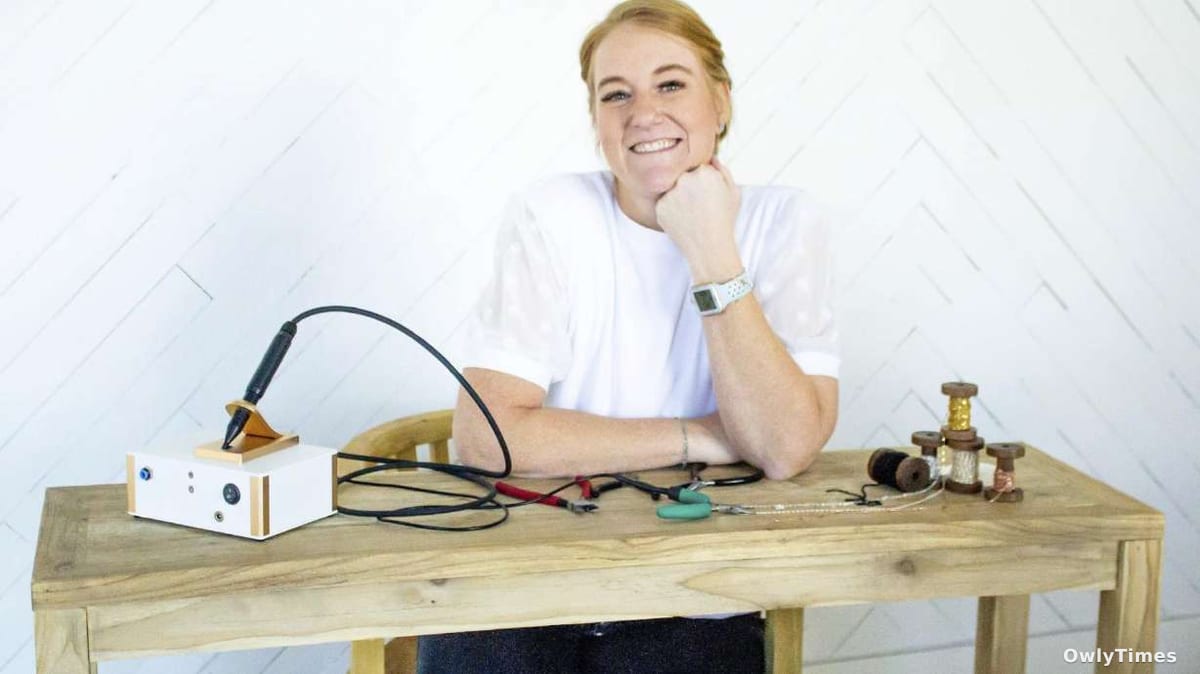

$2,000. That’s the amount Jerilyn Brunson charged to her credit card with no clear repayment plan to purchase a welder – a single, audacious bet that launched “In Her M Era,” her custom permanent jewelry business, and ultimately fueled her resilience through breast cancer and a divorce. This isn’t simply a feel-good story of entrepreneurial spirit; it’s a case study in the increasingly precarious financial landscape facing single mothers and the calculated risks they take to achieve economic independence. Follow the money, and you’ll find a narrative of resourcefulness born from necessity, a trend amplified by rising childcare costs and stagnant wage growth for educators.
Brunson’s journey began conventionally enough. After initially pursuing social work, she earned a teaching degree in her 20s, spending six years in the classroom while simultaneously working a second job assisting in a jewelry business. This early exposure to jewelry-making proved crucial. By 2020, with two children born within 16 months, Brunson stepped away from teaching to focus on motherhood. However, the dissolution of her marriage in 2024 presented a stark economic reality: returning to teaching wouldn’t cover the cost of childcare. The average annual cost of center-based childcare in Utah is $11,738, according to Child Care Aware of America – a figure exceeding the starting salary for many teachers in the state. This financial bottleneck is a key driver behind the surge in “side hustles” and entrepreneurial ventures among women, particularly mothers.
This article draws on reporting from ksl.com.
The decision to invest in a welder, despite lacking immediate funds, wasn’t impulsive. Brunson leveraged existing skills and identified a growing market for personalized, permanent jewelry. This is a strategic move mirroring a broader trend: the rise of “creator economy” businesses requiring relatively low startup capital but offering high-margin potential. While the permanent jewelry market isn’t comprehensively tracked, industry reports indicate a 300% growth in searches for “permanent jewelry” between 2022 and 2023, fueled by social media trends and a desire for unique, lasting accessories. Brunson’s willingness to self-fund, even with high-interest debt, demonstrates a calculated risk assessment – a bet on her ability to capitalize on this momentum.
However, Brunson’s entrepreneurial leap coincided with a devastating breast cancer diagnosis. The timing is a brutal illustration of the systemic disadvantages faced by women, particularly single mothers, in accessing healthcare and financial stability. A double mastectomy, initially unaffordable, required community support to cover costs. This reliance on external aid highlights a critical gap in the social safety net, particularly for self-employed individuals lacking traditional employer-sponsored insurance. The fact that Brunson underwent 33 rounds of radiation while building her business underscores the sheer force of will required to overcome these intersecting challenges. Her story isn’t just about surviving cancer; it’s about refusing to let it derail her economic recovery.
Today, “In Her M Era” operates out of a space within Hailey Duncan’s Embrace Beauty Salon, a deliberate co-location strategy fostering a supportive network of female entrepreneurs. This collaborative model is increasingly common, offering shared resources and reduced overhead costs. Duncan’s intentional creation of this empowering environment speaks to a larger shift in business thinking – recognizing the value of community and mentorship, particularly for women navigating traditionally male-dominated fields. Brunson’s business, named in honor of her sons Monty and Memphis, isn’t simply about selling jewelry; it’s about reclaiming agency and building a future on her own terms.
What this means for your wallet: Brunson’s story is a microcosm of a larger economic trend. The increasing cost of childcare, coupled with stagnant wages, is forcing more individuals – particularly mothers – to explore entrepreneurial ventures. This isn’t just a lifestyle choice; it’s often a financial necessity. Watch for a continued rise in “micro-entrepreneurship” and the demand for flexible, low-barrier-to-entry business models. The question isn’t if more individuals will follow Brunson’s path, but whether the existing support systems – access to affordable childcare, healthcare, and small business loans – will adequately address the growing need.





