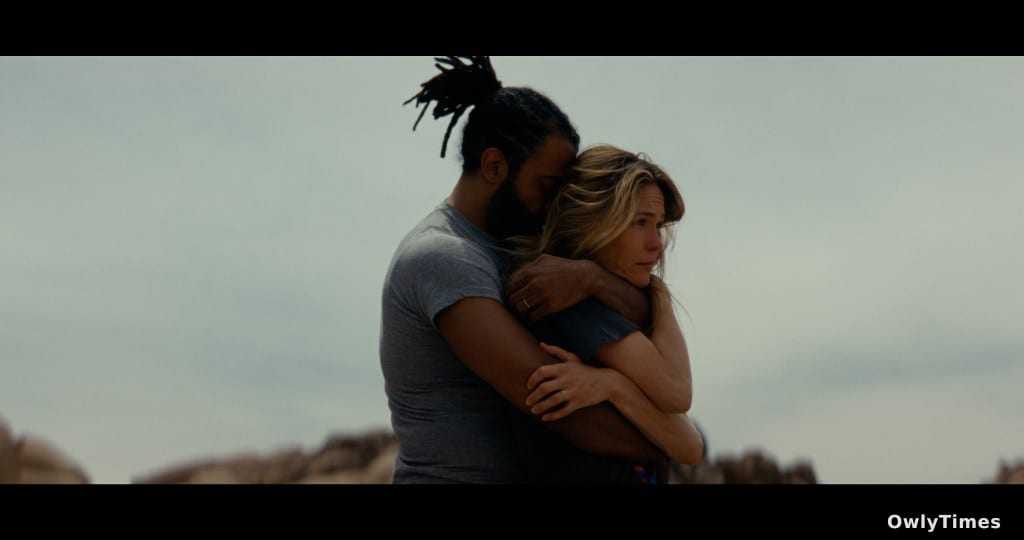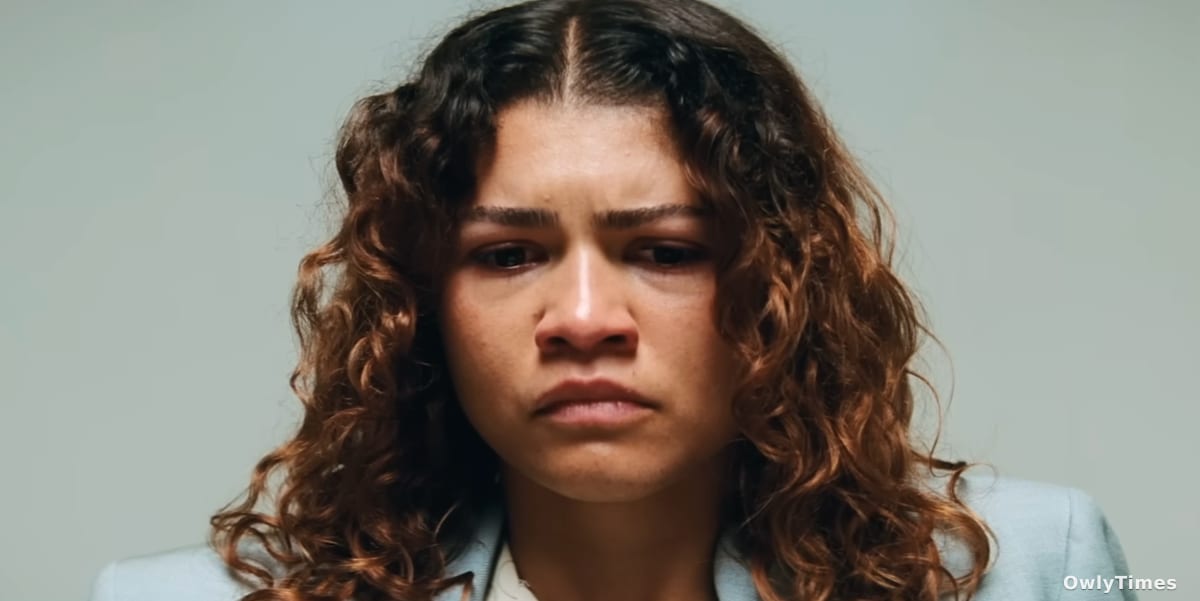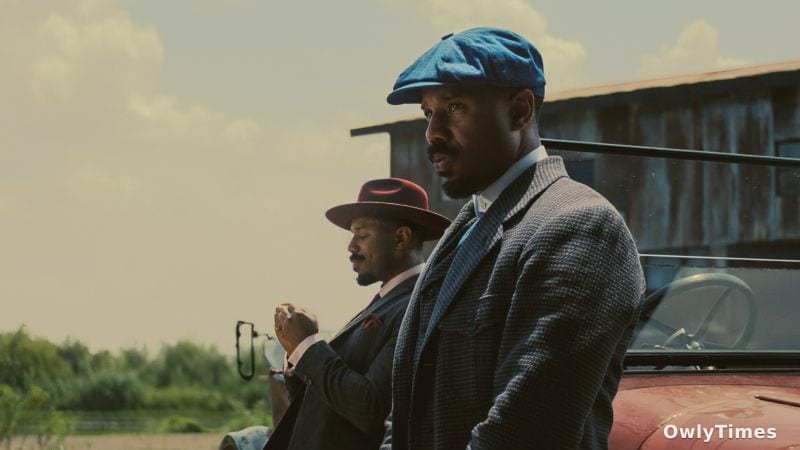

The chipped Formica of a Mississippi juke joint, slick with condensation and the ghosts of a hundred stories, feels less like a set piece and more like a portal in Ryan Coogler’s “Sinners.” It’s in that space, bathed in the raw emotion of Miles Canton’s performance of “I Lied to You,” that the film’s true power reveals itself – a power that has now propelled “Sinners” to a record-breaking 16 Oscar nominations. But to focus solely on the nominations is to miss the seismic shift happening beneath the surface, a reckoning with what it means to tell Black stories, particularly within genres historically closed off to those voices. This isn’t just about a horror film succeeding; it’s about dismantling the gatekeeping that has long defined Hollywood.
“Sinners” isn’t simply a vampire story; it’s a Southern Gothic tapestry woven with threads of racial injustice, religious trauma, and the enduring power of music. Raphael Saadiq, the celebrated R&B artist, recalls receiving the script from Ryan Coogler and knowing, almost instinctively, the song he needed to write. That song, co-written with Ludwig Göransson, became “I Lied to You,” a haunting ballad that encapsulates the film’s central conflict: the struggle between inherited sin and the desire for redemption. The speed with which the song came together – a few hours with a guitar – speaks to a deeper current of ancestral memory guiding the project. As Saadiq himself puts it, he was “borrowing this gift,” channeling the blues traditions passed down through generations.
The film’s success isn’t accidental. It’s a direct result of the platform built by Coogler’s previous work, most notably the cultural phenomenon that was “Black Panther.” That 2018 film didn’t just break box office records – grossing over $1.3 billion worldwide – it fundamentally altered the conversation around representation and the commercial viability of Black-led narratives. As acclaimed horror writer Tananarive Due points out, “I don’t think there’s another Black director who could have gotten the funding to do a movie like ‘Sinners.’” The financial and critical success of “Black Panther” created the “capital,” as Due phrases it, for Coogler to take a risk on a genre film that tackles complex themes with unflinching honesty. This is a crucial point: “Sinners” isn’t succeeding in spite of its Blackness; it’s succeeding because of it.
But the path hasn’t been without its thorns. The triumphant night at the BAFTAs, where “Sinners” became the most decorated film by a Black director, surpassing Steve McQueen’s “12 Years a Slave,” was marred by a racist outburst during a live broadcast. A campaigner, yelling a racial slur while presenting, served as a brutal reminder that the very horrors explored in the film are still present in the real world. The BBC’s initial decision not to censor the moment, and subsequent apology, sparked a necessary but painful debate about the responsibility of media in confronting racism. It underscored a central tenet of “Sinners”: that the past isn’t past, and that confronting historical trauma is essential for healing.
Drawn from CNN.
This isn’t just a story about a director’s vision; it’s about a lineage. Coogler himself has spoken about intentionally connecting his work to the Black artistic tradition, from the generational themes in “Black Panther” to the deeply personal exploration of his family history in “Sinners.” Wunmi Mosaku’s moving acceptance speech at the BAFTAs, invoking the “presence of the ancestors,” perfectly captures this sentiment. The film’s influence can be traced back to pioneers like Octavia Butler, filmmakers like Julie Dash and Spike Lee, and more recent voices like Jordan Peele, who demonstrated the power of horror to address social issues with “Get Out.” “Sinners” doesn’t exist in a vacuum; it’s a continuation of a conversation, a building upon the foundations laid by those who came before.
The alchemy of “Sinners” extends beyond its narrative and performances; it’s deeply rooted in the power of music. Coogler envisioned the film as a “song in and of itself,” and the juke joint scene, featuring Canton’s rendition of “I Lied to You,” is a testament to that vision. Saadiq’s own musical journey, steeped in the blues, gospel, and R&B traditions of his upbringing, informs the song’s authenticity and emotional resonance. He describes his sound as built on “50 years of being around that music,” a legacy passed down through his family and community. This isn’t simply about creating a soundtrack; it’s about invoking a cultural memory, a shared history that resonates with audiences on a visceral level.
As “Sinners” continues its awards season run, the question isn’t just whether it will win more accolades, but what its success will mean for the future of Black storytelling. Will studios be more willing to invest in genre films led by Black creators? Will the doors open wider for diverse voices to explore complex themes without being confined by stereotypical narratives? The ancestors may have dreamed of this moment, but it’s up to the industry to ensure that this isn’t just a fleeting moment of recognition, but a lasting shift in power.