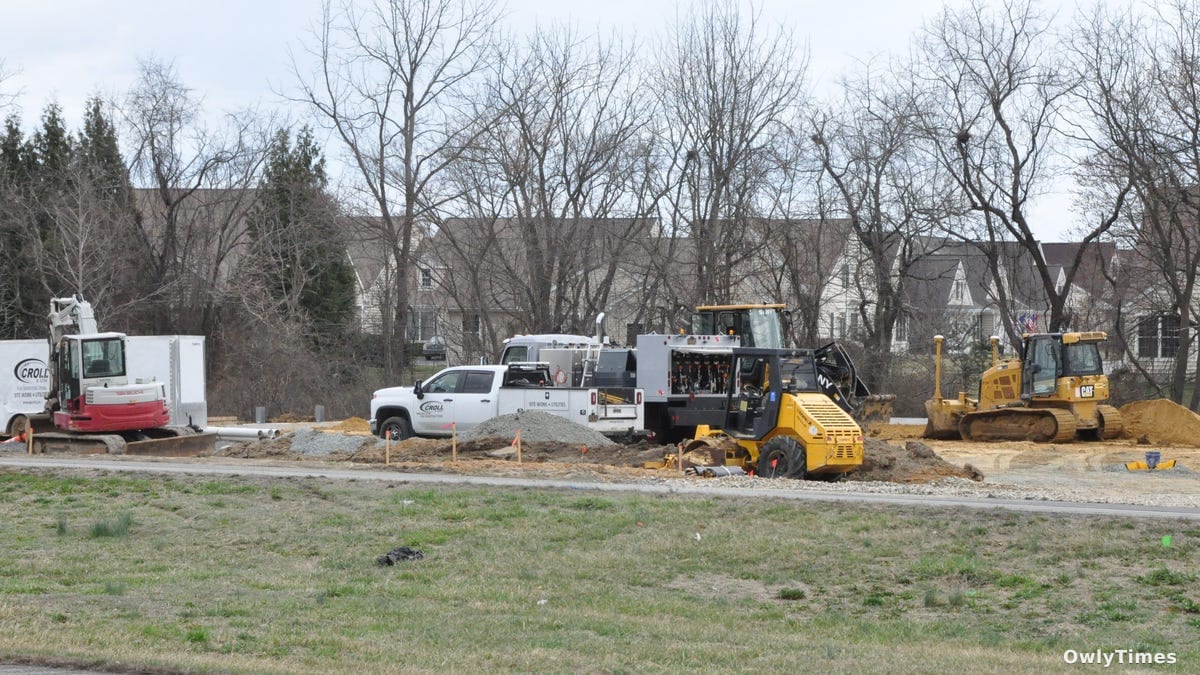

$2.1 Million Bet on Smyrna’s Route 13 Corridor Signals Shift in Kent County Development
A nearly $2.1 million investment – calculated from the 9,100 square-foot building’s estimated construction cost of $230 per square foot, a standard rate for flex-warehouse space – is quietly reshaping the commercial landscape along Route 13 south of Smyrna. The project, spearheaded by NAA LLC and represented by Kenneth Kershaw, isn’t about a single headline-grabbing tenant, but a calculated bet on the growing demand for adaptable commercial space in Kent County. This isn’t simply another building going up; it’s a signal of a broader shift away from speculative office development towards logistics and light industrial uses, a trend accelerated by the e-commerce boom and supply chain restructuring.
This article draws on reporting from delawareonline.com.
A Decade of Unfulfilled Plans and the Rise of “Flex-Space”
The current construction represents the third attempt to develop the 1.84-acre parcel, previously zoned for general business, in the last decade. Initial plans in 2015 and 2018 focused on traditional office space, both of which stalled. This pivot to a “business/industrial park” – essentially flex-warehouse space – is telling. While office vacancy rates nationally remain elevated, industrial space, particularly smaller units catering to regional distribution and light manufacturing, are experiencing record low vacancies and rising rental rates. According to a recent report by CBRE, national industrial vacancy rates averaged 3.9% in Q1 2024, compared to 6.1% for office space. The Smyrna project, divided into six units each with a loading area, directly addresses this market imbalance. Kershaw’s refusal to disclose tenant details, while standard practice, underscores the competitive nature of securing occupants in this environment.
Infrastructure Investments and the “Right-In, Right-Out” Strategy
The Kent County Regional Planning Commission’s 6-0 approval on April 10, 2025, wasn’t simply a rubber stamp. The conditions attached – including a monument-style sign mirroring the Spring Meadow neighborhood’s aesthetic and a strict 30% limit on retail space – reveal a deliberate attempt to mitigate potential disruption to the surrounding residential area. More importantly, the infrastructure investments accompanying the project are significant. The single entrance/exit configured as “right-in, right-out” is a direct response to traffic concerns on Route 13, a known bottleneck. This design, while limiting direct access, prioritizes traffic flow and safety, a key consideration for potential tenants reliant on efficient logistics. The inclusion of a sidewalk/shared use path also suggests a commitment to pedestrian access, potentially attracting businesses catering to local employees.
Beyond Warehousing: The Limits of Retail and the Value of Landscaping
The 30% cap on retail space is a crucial detail. While the park is designated “business/industrial,” allowing for a degree of customer-facing operations, the restriction prevents it from becoming a traditional strip mall. This suggests NAA LLC is targeting businesses focused on business-to-business services, light assembly, or regional distribution, rather than high-traffic retail. The landscaping plan – 31 trees and buffers from both Route 13 and the Spring Meadow neighborhood – isn’t merely aesthetic. It’s a strategic investment in mitigating noise and visual impact, crucial for maintaining positive community relations and maximizing the property’s long-term value. Landscaping, often overlooked, can add as much as 5-10% to commercial property value, particularly in areas sensitive to development.
What This Means for Your Wallet
The Spring Meadow Business/Industrial Park isn’t directly impacting consumer prices today, but it’s a piece of a larger puzzle. Increased availability of flex-warehouse space in Kent County will likely translate to lower logistics costs for businesses operating in the region. These savings, while incremental, can eventually be passed on to consumers in the form of lower prices or faster delivery times. However, the real impact will be felt by local businesses competing for space. The new park will increase competition, potentially driving up rental rates for existing commercial properties in Smyrna. For investors, the project highlights the continued strength of the industrial real estate sector and the growing demand for strategically located, adaptable commercial space. The key question now is whether NAA LLC can secure tenants quickly and capitalize on this favorable market dynamic – and whether this project will spur further development of similar flex-warehouse parks throughout Kent County.