
Is the modern battlefield essentially a high-stakes game of software optimization, where the winner isn’t the side with the biggest gun, but the one with the most efficient algorithm? We often view war as a brute-force contest of steel and fire, but the real story here isn’t just the raw tonnage of explosives dropped—it’s the desperate, manual-override dance required to keep aging air defense systems running in an era of automated, swarming threats.
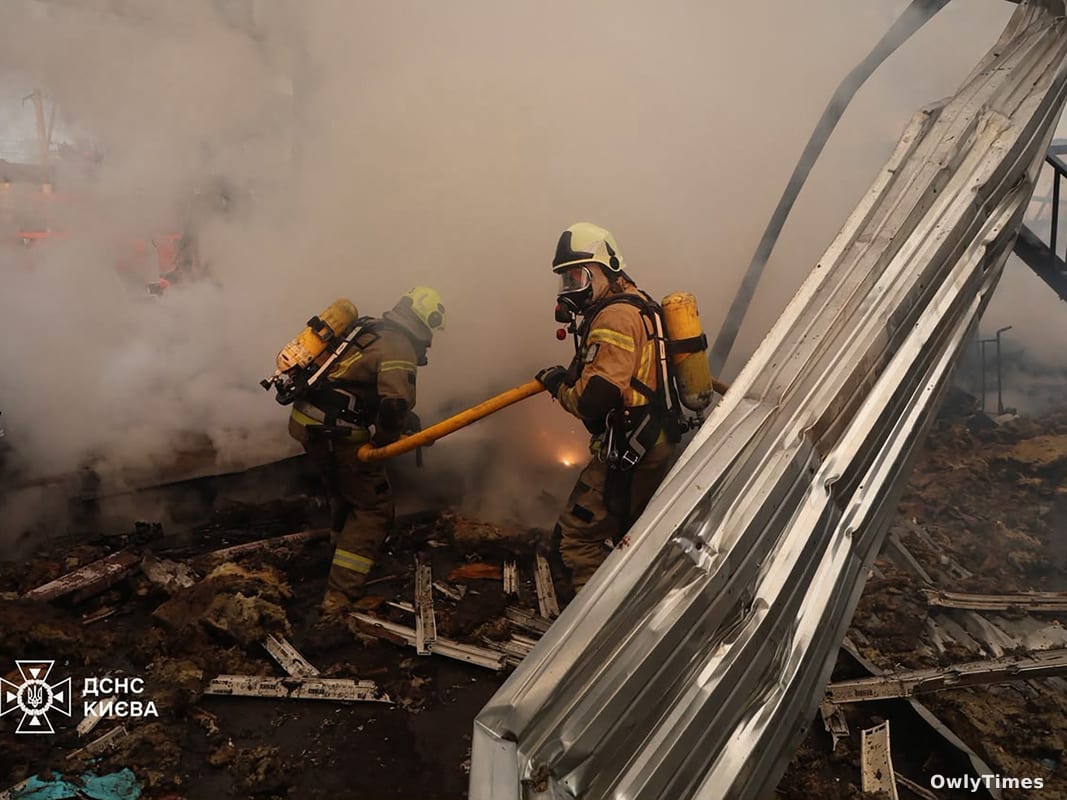
The latest escalation, occurring as of July 11, 2026, underscores this precarious technical reality. According to Al Jazeera, Russia launched a massive strike against Ukraine involving six ballistic missiles—identified by the Ukrainian Air Force as either Iskander-M or S-400 models—alongside six cruise missiles and 121 drones. While the Associated Press via ABC News reports that the majority of these threats were intercepted, the ballistic missiles successfully bypassed defenses. The consequences were immediate and structural: fires broke out at a transformer substation in Kyiv’s Darnytskyi district and an office building in the Solomianskyi district, as reported by Al Jazeera.
The technical friction here is stark. Reports from Al Jazeera indicate that Ukrainian air defense teams have been forced to switch sophisticated Patriot missile batteries into manual operational mode. Think of this like a high-performance sports car’s computer system failing, forcing the driver to manually feather the clutch and throttle just to keep the engine from stalling under load. This transition is a direct result of depleted interceptor stocks, forcing operators to make split-second, human-led decisions rather than relying on the automated speed of the system’s native software.
Casualty counts across the various theaters of this weekend’s assault remain difficult to reconcile, as different agencies provide varying snapshots. Al Jazeera reports six total deaths, including four in Sumy and two in Odesa, while the Associated Press via ABC News lists two deaths in Odesa but does not include the Sumy figures in their primary headline count. All outlets confirm that in Kyiv alone, 11 people were wounded, including an 11-year-old boy.
While these kinetic strikes dominate the headlines, the geopolitical software is also receiving an update. CBS News reports that the Trump administration has signaled support for a bipartisan bill to impose heavy tariffs on purchasers of Russian oil. Senators Lindsey Graham and Richard Blumenthal confirmed that this legislative shift follows a NATO summit where President Volodymyr Zelenskyy secured licenses to produce Patriot interceptors domestically. It is a classic "tech stack" pivot: when the hardware (interceptor missiles) is in short supply, you shift your strategy to controlling the supply chain (oil revenue) that funds your adversary's ability to keep firing back.
The disconnect between the two sides is growing wider by the day. Ukraine’s drone forces chief Robert Brovdi claims his units struck 21 fuel tankers in the Sea of Azov, part of a broader campaign that Al Jazeera notes has hit 76 vessels this week. Meanwhile, the Russian defense ministry claims to have downed 178 Ukrainian drones in a single night. We are watching a conflict move toward a definitive "patch day." As the U.S. Senate returns to Washington on Monday, the introduction of this sanctions bill will serve as the next major trigger, testing whether economic pressure can actually throttle the physical barrage currently defining life on the ground in Kyiv.