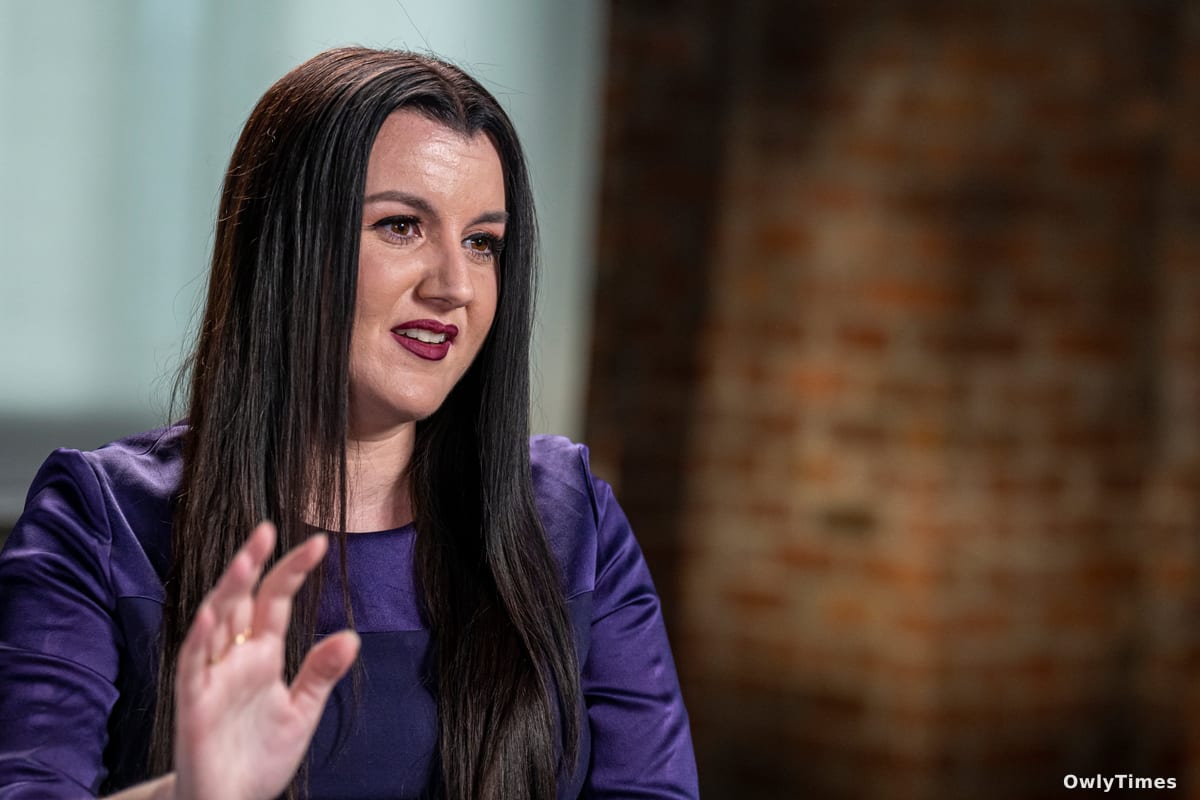

If the high-stakes world of Silicon Valley is a high-speed train, why are so many of its top engineers and executives suddenly pulling the emergency brake? The departure of Fidji Simo from her full-time role as OpenAI’s CEO of AGI deployment is being framed by some as a singular leadership crisis, but the real story here isn't just about a vacancy in the C-suite—it's about the brutal collision between the "grind culture" of AI development and the very human limitations of the people building it.
Simo, who joined OpenAI in May 2025 to oversee product and business operations, announced on Thursday that she is transitioning to a part-time advisory role, according to CNBC. Her decision follows a three-month medical leave triggered by a "severe exacerbation" of a neuroimmune condition she has lived with for seven years, specifically Postural Orthostatic Tachycardia Syndrome (POTS), which she was diagnosed with in 2019, as reported by WIRED.
While industry watchers are scrambling to calculate the impact on OpenAI’s path to a potential IPO, Simo’s own reflection provides a sobering counter-narrative to the tech industry's obsession with "long-game" endurance. Reflecting on her time at Meta, Simo shared in an X post cited by Variety that CEO Mark Zuckerberg once encouraged her to take a year-long medical leave, a suggestion she rejected at the time. "I wish I had listened," she noted, highlighting the systemic pressure that often forces leaders to trade their health for the next quarterly milestone.
The organizational churn at OpenAI is significant, though reports on the exact scope vary. TechCrunch notes that Simo’s departure leaves a vacuum at the top of a company currently valued at $852 billion, while The Verge points out that this follows a wider reorganization in May that saw OpenAI President Greg Brockman take direct control of product strategy. Both outlets agree that Simo’s exit comes amidst a period of intense executive reshuffling, which included the departure of CMO Kate Rouch and the shift of COO Brad Lightcap to "special projects."
For the ordinary user, these headlines about C-suite musical chairs might seem abstract, but they reflect a shift in how the company is prioritizing its tools. OpenAI is currently pivoting toward a "superapp" strategy, attempting to merge ChatGPT, browser capabilities, and coding agents into a single unified platform, WIRED reports. The company is under immense pressure to outpace rivals like Anthropic in the coding market, and as TechCrunch notes, the company has been aggressively tweaking its equity vesting schedules—eliminating the standard 12-month cliff for new hires—to fight the "AI talent war."
The corporate machinery is clearly straining to maintain its momentum. While the company has reportedly put off its IPO plans until at least 2027, as indicated by WIRED, it is concurrently scaling its product line, having just launched the GPT-5.6 model family—Sol, Terra, and Luna—and a new agent, ChatGPT Work, to automate office drudgery, according to TechCrunch.
What happens next will be a test of whether OpenAI’s bench is as deep as its valuation suggests. Keep a close watch on Denise Dresser, the company’s chief revenue officer; both TechCrunch and The Verge identify her as a prime candidate to assume broader responsibilities in the wake of Simo's transition. If the company continues to lose top-tier leadership, the focus will move from "AGI deployment" to the fundamental question of whether this organization can sustain its own rapid, and often exhausting, pace of growth.