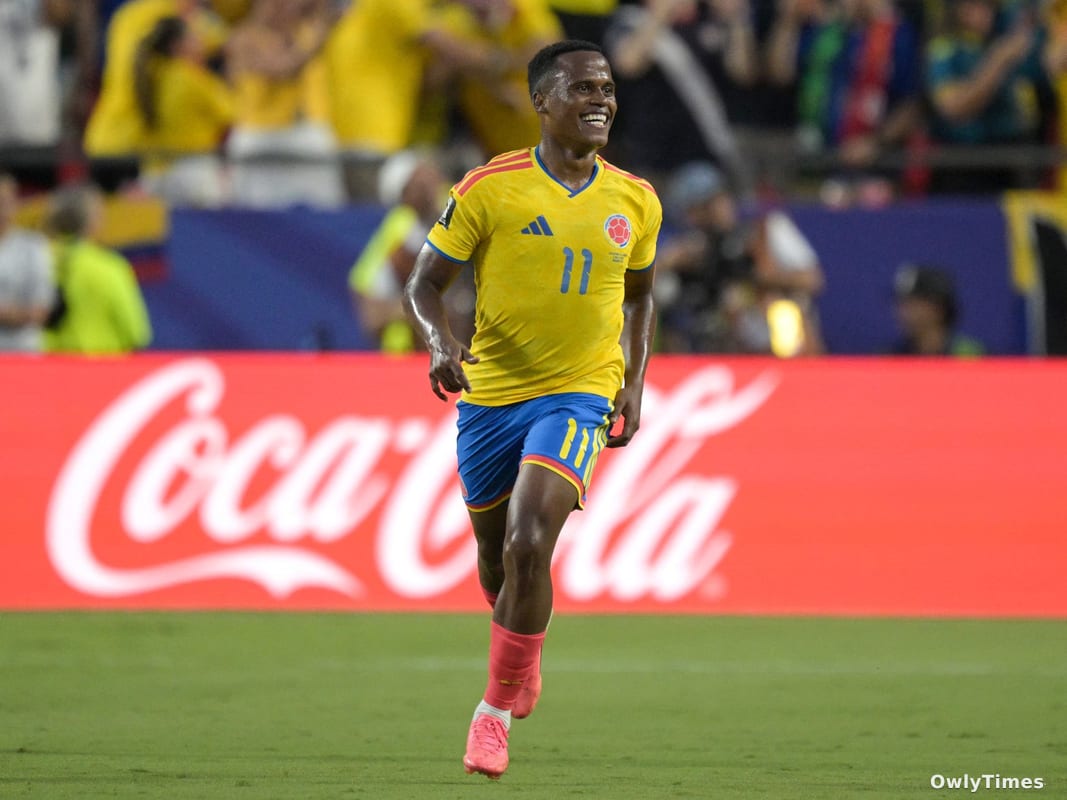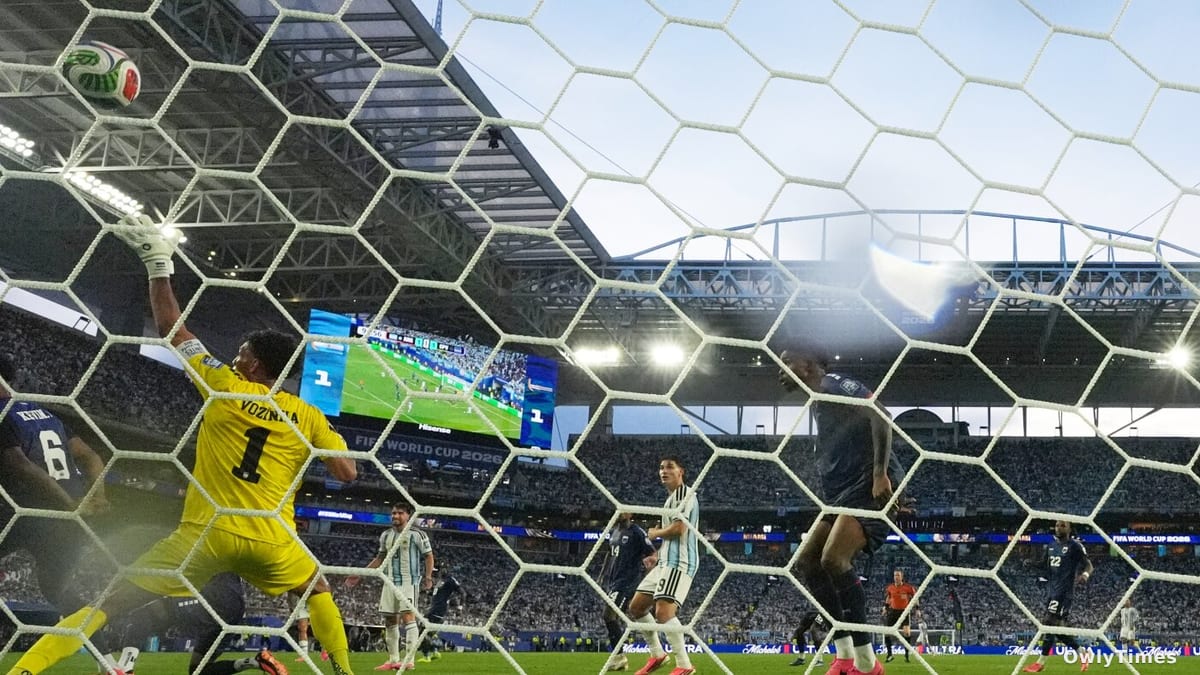

Can a LinkedIn connection really hold off the greatest soccer player in history? If the World Cup’s Round of 32 match between Argentina and Cape Verde is any indication, the answer is a resounding yes—at least for 111 minutes.
The real story here isn’t that Argentina won 3-2; it’s that a nation with 1% of Argentina’s population forced the defending champions into a tactical nightmare that nearly redefined the sport’s hierarchy. While NPR and NBC News both frame the match as a modern "David vs. Goliath" encounter, the technical reality was a masterclass in defensive grit led by 40-year-old goalkeeper Vozinha.
The disparity between the two teams was statistically staggering. According to NBC News, this match marked the largest world ranking gap in knockout round history, with Argentina sitting at No. 2 and Cape Verde at No. 64. Yet, on the pitch in Miami Gardens, those numbers evaporated. Vozinha, who spent his career in leagues like those of Cyprus and Slovakia, effectively neutralized Lionel Messi for the better part of two and a half hours, recording eight saves—four of which specifically targeted the Argentinian legend in the final hour of regulation.
However, sources differ slightly on the narrative of the final blow. While NPR credits a corner kick from Messi that set up the winning tally, NBC News provides the specific, grim detail that the decisive goal in the 111th minute was actually a heartbreaking own goal by Cape Verde’s Diney Borges. Euronews confirms the general sentiment of the loss, noting that the Blue Sharks fought back from behind twice before the own goal finally sealed their fate.
For the average tech worker or entrepreneur, the "Cape Verde effect" is a reminder that legacy systems—like a multi-billion dollar national team program—can be disrupted by lean, hungry underdogs who are willing to leverage unconventional recruiting. As defender Pico Lopes noted, his own presence on the team was the result of a LinkedIn message, proving that in sports, as in Silicon Valley, the most effective talent acquisition often happens outside the traditional boardroom.
The financial upside for this disruption is measurable: NPR reports that FIFA will award the island nation $11 million for their historic run. Beyond the check, they have successfully moved from an unknown entity to a household name.
What happens next? Watch the upcoming FIFA administrative meetings regarding tournament expansion. The success of the Blue Sharks—who reached the knockout stage after draws against Spain, Uruguay, and Saudi Arabia—has created immense political pressure to permanently increase the number of "minnow" nations in future knockout brackets. If the governing body yields to this momentum, expect the next World Cup to feature a significantly higher volatility in match outcomes as the barrier to entry for smaller nations continues to crumble.