
The Performance of Unity: Trump’s State of the Union as Strategic Insulation
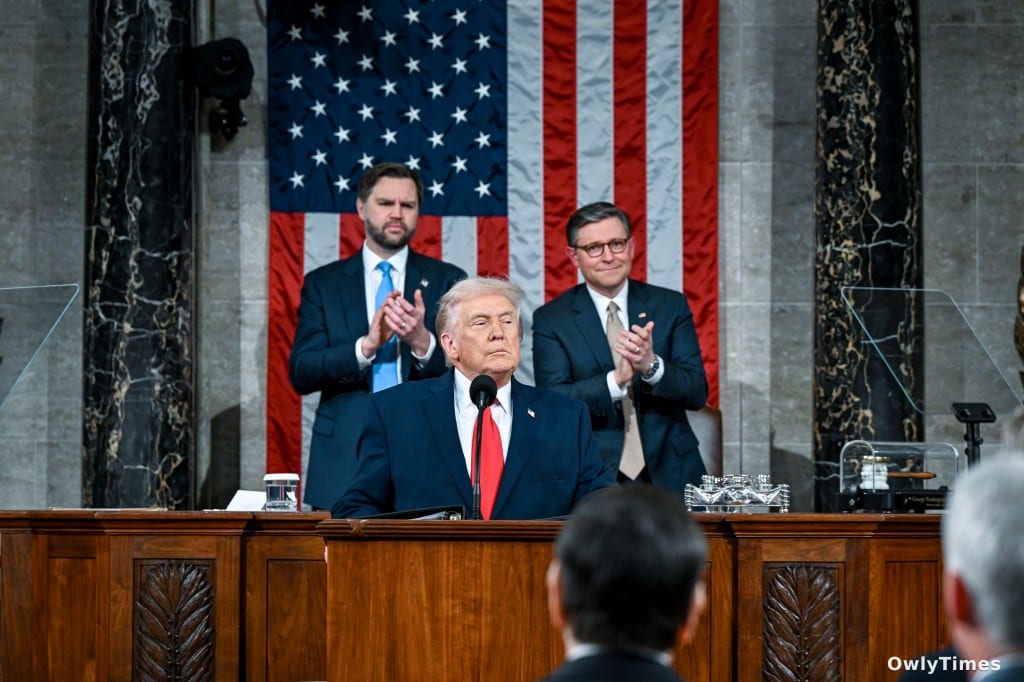
The spectacle of President Donald Trump bestowing the Presidential Medal of Freedom upon Connor Hellebuyck and the U.S. men’s Olympic hockey team during Tuesday’s State of the Union wasn’t a spontaneous display of patriotism; it was a calculated maneuver. The carefully curated moment, eliciting bipartisan cheers, served as a potent visual counter-narrative to the increasingly precarious political landscape surrounding the President. This wasn’t about hockey; it was about projecting an image of unity and strength while shielding the President from mounting criticism, a tactic echoing historical precedents of leaders utilizing symbolic gestures during periods of domestic unrest. The strategic value lay not in the award itself, but in the optics – a momentary reprieve from the relentless scrutiny of his policies and declining approval ratings.
See the original thedispatch.com story for the full account.
The context is critical. As reported by The Dispatch, Trump’s approval rating currently sits nearly 15 points underwater, with concerning drops in support for his signature issues of immigration (40% approval) and the economy (41% approval) according to a recent Washington Post/ABC News/Ipsos poll. This isn’t simply a dip in the polls; it’s a signal of eroding public confidence, particularly as the 2024 election cycle intensifies. The SOTU address, and the carefully staged moments within it, functioned as an attempt to reassert control over the narrative, presenting a vision of national pride and achievement that deliberately downplayed the anxieties felt by a significant portion of the electorate. Who benefits? Primarily, Trump himself, by reinforcing a positive public image and potentially softening the blow of unfavorable polling data. Who loses? Any opposition seeking to capitalize on his vulnerabilities, as the manufactured unity complicates efforts to paint him as divisive or out of touch.
This reliance on spectacle isn’t new. Consider Lyndon B. Johnson’s use of televised addresses during the Vietnam War, often featuring images of American progress and resilience, despite the escalating conflict and growing anti-war sentiment. Or Richard Nixon’s carefully crafted “silent majority” appeals, designed to project an image of widespread support even as protests raged across the country. These were attempts to bypass critical media coverage and speak directly to the public, framing the narrative on their own terms. Trump’s approach is a modern iteration of this tactic, amplified by the immediacy of social media and the 24-hour news cycle. The extended length of the speech itself – the longest SOTU in history – wasn’t an oversight; it was a deliberate strategy to maximize exposure and dominate the news agenda, effectively crowding out dissenting voices.
Beyond the theatrics, the address revealed a deeper pattern of insulating the President from dissenting information. The Dispatch notes that Trump’s Cabinet meetings have become echo chambers, with advisors prioritizing praise over honest assessments of his performance. This dynamic is reminiscent of the “yes men” surrounding John F. Kennedy during the Bay of Pigs invasion, where a lack of critical feedback contributed to a disastrous outcome. While the stakes are different, the underlying principle remains the same: a leader surrounded by sycophants is ill-equipped to make sound decisions. This creates a dangerous feedback loop, reinforcing the President’s existing beliefs and potentially leading to further miscalculations. The delegation of tariff authority to the executive branch, and the subsequent lack of congressional oversight, further exemplifies this trend – a willingness to expand presidential power without adequate checks and balances.
However, the CFTC’s newfound assertiveness and the FBI Director Kash Patel’s questionable travel expenses, as highlighted in The Dispatch, reveal fissures beneath the surface. These seemingly disparate events point to a broader pattern of regulatory overreach and potential conflicts of interest within the administration. The focus on resource security and the pursuit of Greenland, while seemingly outlandish, underscores a long-term strategic interest in the Arctic region, a priority shared by previous administrations. Even Marco Rubio’s ambiguous stance on a potential 2028 run hints at a shifting power dynamic within the Republican party, with potential challengers carefully assessing their options. The political chess move to watch next isn’t a grand policy announcement, but rather the actions of the CFTC regarding cryptocurrency regulation. Will they continue to expand their authority, potentially sparking a backlash from the industry and Congress? The answer will reveal the extent to which the administration is willing to prioritize ideological goals over pragmatic considerations, and ultimately, the durability of its carefully constructed image of unity.





