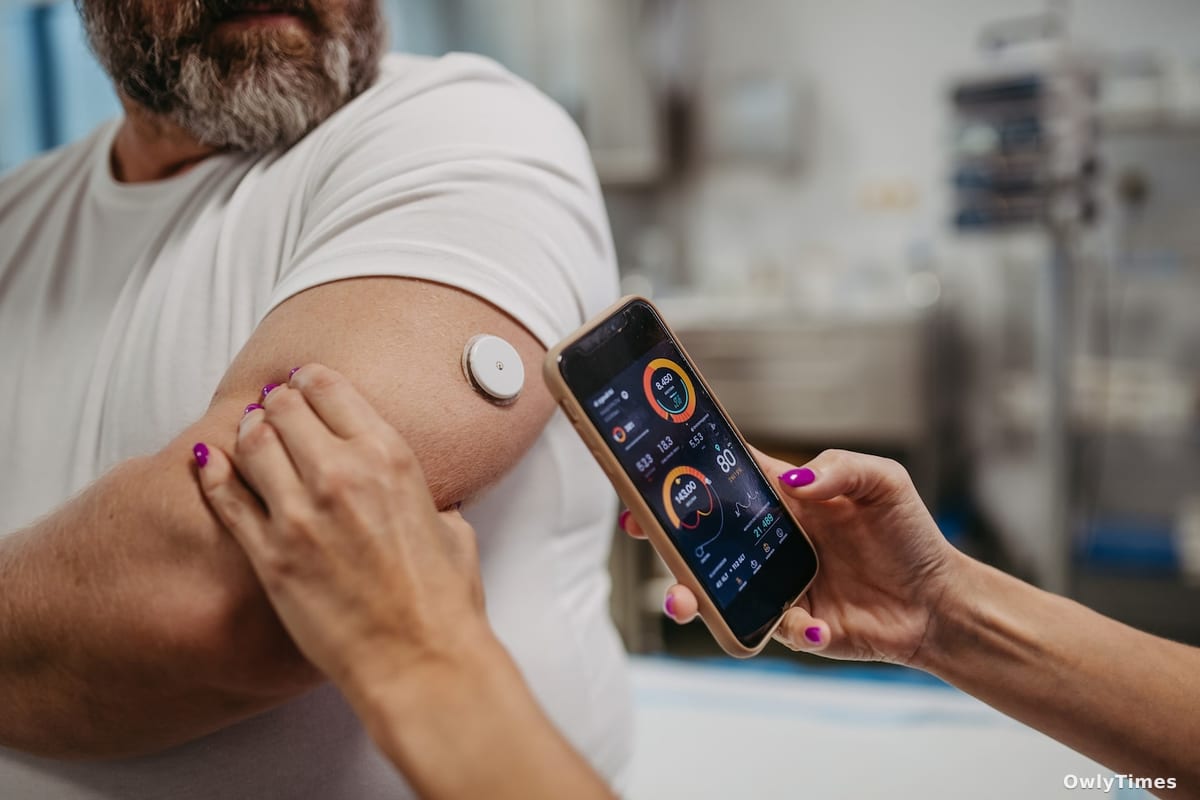

The modern quest for personal optimization has hit a significant snag: our biological data is outpacing our ability to interpret it. As of April 26, 2026, the democratization of medical-grade technology has reached a tipping point where continuous glucose monitoring—a practice once restricted to clinical management of diabetes—is now available to the general public. While the allure of real-time metabolic feedback is strong, the scientific reality suggests that constant surveillance of our internal chemistry may be providing more noise than signal.
The Shift from Clinical Necessity to Consumer Gadgetry
Historically, the ability to track blood sugar in real time was a lifeline for individuals managing specific medical conditions. It allowed for precise insulin dosing and the prevention of life-threatening hypoglycemic events. However, in 2026, the market has expanded to include healthy individuals using these wearables to map their metabolic responses to specific foods and exercise routines. The transition from a therapeutic tool to a lifestyle accessory is marked by the ease of purchasing these devices, which provide minute-by-minute readouts via smartphone applications.
This accessibility raises a fundamental scientific question: does high-frequency data actually translate into better health outcomes for the average person? The assumption underlying the consumer health movement is that more data leads to better decision-making. Yet, the current body of evidence suggests that without a clear clinical baseline, the constant influx of glucose fluctuations can create a feedback loop of confusion and unnecessary anxiety.
Distinguishing Between Physiological Variation and Clinical Risk
It is critical to distinguish between what the manufacturers of these wearables imply and what the physiological data actually represents. Marketing materials often suggest that these devices offer a roadmap to perfect health, promising to identify "glucose spikes" that supposedly require intervention. In reality, the human body is designed to experience natural, healthy fluctuations in blood sugar throughout the day in response to activity and intake.
When a user views a graph of their glucose levels, they are often seeing normal physiological variation framed as an actionable problem. Experts have pointed out that monitoring a constant stream of data in this manner does not necessarily aid in health-related decision-making. Instead, it risks pathologizing standard metabolic processes, leading users to restrict their diets or obsess over minor movements that have little to no impact on long-term longevity.
Limitations of Real-Time Data Interpretation
A primary limitation of this technology in a non-clinical setting is the lack of context. A single data point showing a glucose spike after a meal lacks the nuance of the user’s overall metabolic health, stress levels, or even the accuracy of the sensor itself at specific ranges. By focusing exclusively on glucose, users may ignore other vital markers that contribute to metabolic health, such as insulin sensitivity or overall nutrient density.
Furthermore, the psychological burden of being tethered to a digital readout cannot be understated. When individuals are presented with constant, minute-by-minute feedback, the propensity for "data fatigue" increases. This state of hyper-vigilance often replaces intuitive eating and exercise habits with a rigid, data-driven approach that is rarely supported by long-term clinical trials in healthy populations.
Future Research and the Path Toward Metabolic Literacy
The next phase of research must move beyond the hardware itself and focus on the psychological and clinical outcomes of long-term wear in healthy cohorts. Researchers are now tasked with determining whether the use of these devices leads to measurable improvements in health metrics, such as HbA1c levels or cardiovascular risk factors, or if they merely exacerbate the stress of the "worried well."
The next reading of clinical data regarding the long-term impact of non-diabetic glucose monitoring will be the deciding factor in whether these wearables become a foundational part of preventative medicine or remain a transient tech trend. Until then, the most important metric to watch is the shift in how users perceive their own bodies—specifically, whether they move toward a more integrated understanding of their health or become increasingly reliant on the device to define their physical well-being.