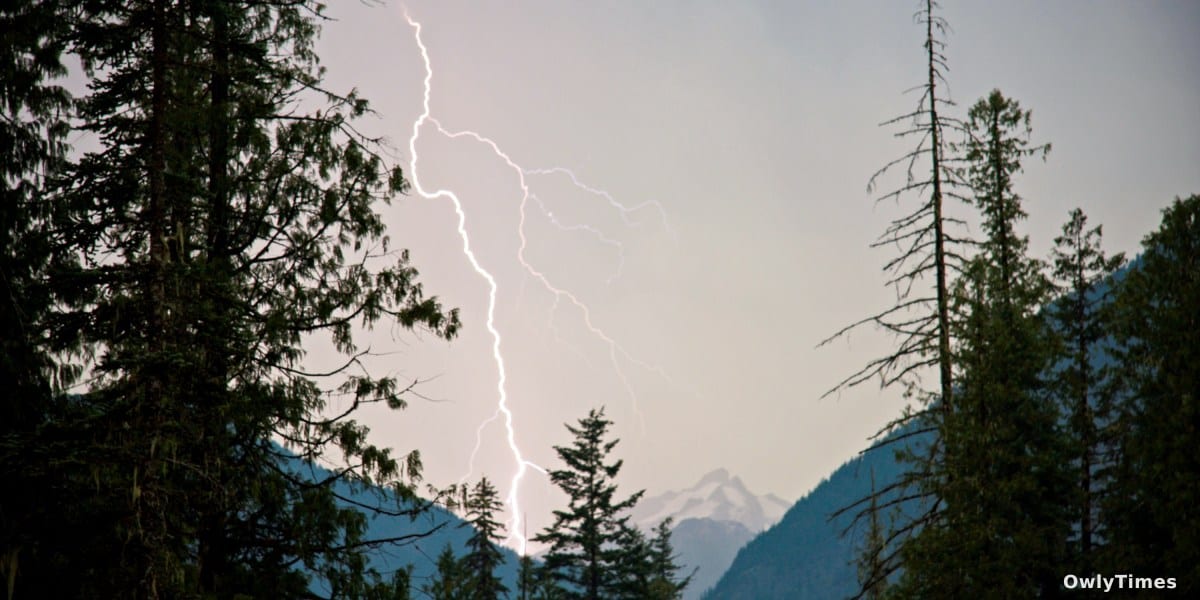

The summer of 2023 offered a stark preview of a future increasingly defined by wildfire. As a heatwave gripped Quebec on June 1st, over 120 wildfires ignited, sparked by thousands of lightning strikes. Canada’s subsequent fire season became its worst on record, scorching tens of millions of acres, releasing nearly 500 million tons of carbon, and displacing hundreds of thousands of people. While the scale of devastation was unprecedented, the source of ignition – lightning – wasn’t a surprise. In fact, lightning accounted for 60% of all wildfires and a staggering 93% of the area burned. Now, a Vancouver-based startup, Skyward Wildfire, proposes a seemingly audacious solution: prevent the lightning strikes themselves. The promise, and the recent tempering of it, reveals a complex interplay of scientific ambition, historical precedent, and the urgent need for climate adaptation strategies.
Skyward Wildfire initially garnered attention with a bold claim: its technology could prevent “up to 100% of lightning strikes.” This statement, prominently featured on the company’s website, quickly drew scrutiny from researchers in the field of atmospheric science. While the company has since revised its language to state it can prevent “the majority of cloud-to-ground lightning strikes in targeted storm cells” following inquiries from MIT Technology Review, the initial assertion highlights a critical tension between entrepreneurial enthusiasm and the cautious language of scientific validation. Nicholas Harterre, who oversees government partnerships at Skyward, explained in an email that the original statement reflected observed results under specific conditions but wasn’t intended to imply universal outcomes, acknowledging the complexities inherent in atmospheric systems. This retraction isn’t necessarily a sign of failure, but a necessary recalibration of expectations – a reminder that even promising technologies operate within the bounds of natural variability.
See the original technologyreview.com story for the full account.
The core of Skyward’s approach, though still largely undisclosed, appears rooted in a decades-old technique: cloud seeding with metallic chaff. This isn’t a novel idea; US government agencies explored similar methods as early as the 1960s. The chaff, consisting of narrow fiberglass strands coated with aluminum – the same material used by fighter jets to disrupt radar – is deployed into clouds to alter their electrical charge. The theory, developed during Project Skyfire and Project Thunderbolt, is that the chaff acts as a conductor, redistributing electrons and preventing the buildup of static electricity that leads to lightning. While early trials showed promising results, reducing lightning strikes by more than half in some instances, limitations in sample size and data collection prevented definitive conclusions. The US ultimately abandoned the research, citing concerns about potential interference with radar and weather forecasting.
The potential benefits of reliably suppressing lightning are substantial. Sam Goldman, Skyward’s founder and CEO, frames it as a “highest-leverage and most immediate climate solution,” capable of saving lives, billions in wildfire costs, and mitigating the escalating risks posed by climate change. Given the increasing frequency and intensity of wildfires, fueled by warmer temperatures and drier conditions, the appeal is understandable. Keith Brooks, programs director at Environmental Defence, agrees that evaluating new technologies is “reasonable,” but emphasizes the need for “caution and transparency” and a “robust scientific methodology.” This highlights a crucial point: the urgency of the climate crisis shouldn’t override the need for rigorous scientific assessment. The question isn’t simply can we prevent lightning, but should we, and at what potential cost?
Several critical limitations must be considered. Researchers like Phillip Stepanian of MIT Lincoln Laboratory acknowledge the technique’s potential but stress the uncertainties surrounding optimal material deployment, persistence, and effectiveness under varying weather conditions. Recent research, including a study led by Stepanian and Earle Williams at MIT, suggests that chaff may actually increase total lightning activity, potentially negating any suppression effects. Furthermore, the environmental impact of widespread chaff deployment remains largely unknown. While the US military has conducted studies suggesting low toxicity, concerns remain about potential effects on water quality, air traffic control, and ecosystems. Brooks rightly points to the need for consultation with affected communities, including Indigenous groups, before implementing such interventions.
Looking ahead, the next steps are crucial. Skyward intends to release more detailed technical data from its field trials, but independent verification is essential. Peer-reviewed publication of results, transparent disclosure of materials used, and comprehensive environmental impact assessments are all necessary to build trust and ensure responsible development. Perhaps the most pressing question is whether Skyward’s technology can overcome the limitations that plagued earlier attempts at lightning suppression. Will it be possible to deploy sufficient material to effectively neutralize storm charges without causing unintended consequences? And, crucially, will the benefits of preventing lightning-ignited fires outweigh the potential risks associated with large-scale atmospheric intervention? As climate change continues to reshape our world, the answer to that question will determine whether this ambitious endeavor represents a genuine breakthrough or a well-intentioned but ultimately misguided attempt to control the forces of nature.





