
The escalating exchange between Iran and Israel isn’t simply a tit-for-tat response to prior events; it represents a dangerous shift toward direct, reciprocal targeting of civilian infrastructure, a pattern that fundamentally alters the calculus of regional conflict. While much reporting focuses on the immediate damage – and the potential for wider war – the significance lies in the demonstrated capacity and willingness of both nations to strike within each other’s major urban centers. This isn’t a question of if escalation will occur, but rather how each side defines acceptable retaliation, and whether either can maintain control as the threshold for “acceptable” steadily rises.
Direct Strikes and the Erosion of Deterrence
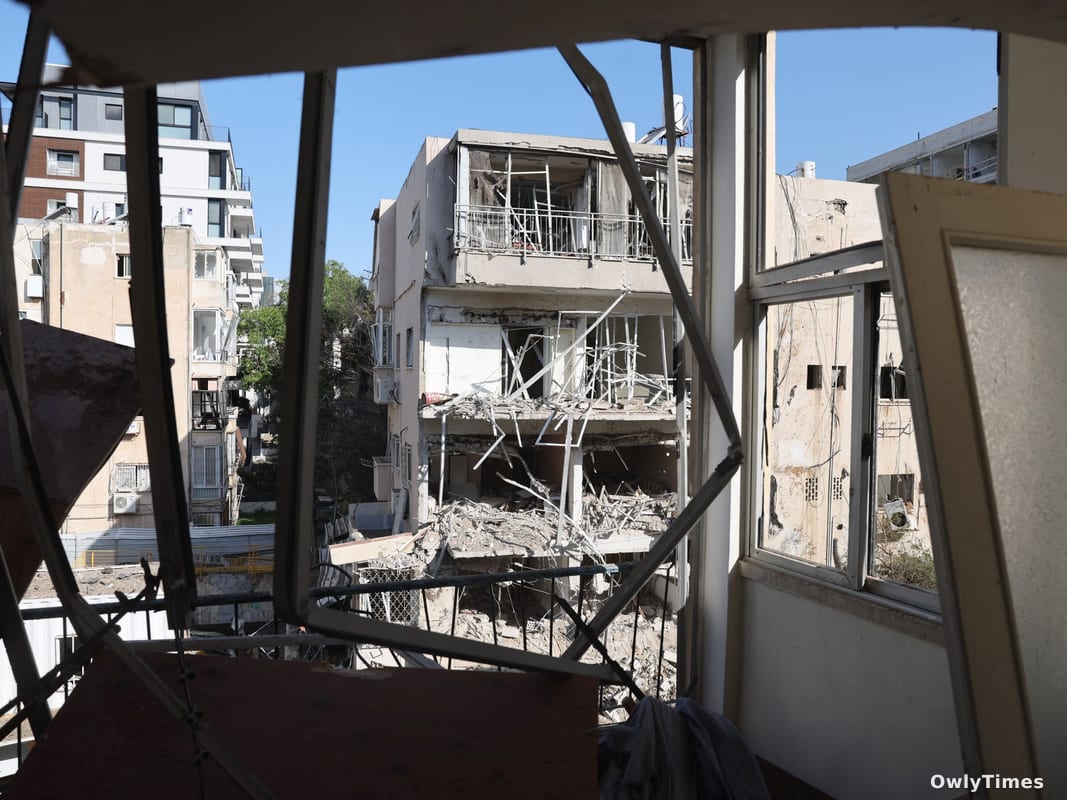
On Tuesday, Iran launched a barrage of missiles targeting Israel, resulting in damage and six reported light injuries across four locations, including in Tel Aviv. The extent of the damage, particularly to a multi-story apartment building, is still being assessed, with authorities searching for potentially trapped civilians. Initial reports suggest the damage stemmed from either direct impact or debris from intercepted missiles, a distinction that highlights the inherent risk to populated areas even with robust defense systems. This action follows a statement from the Israeli military detailing retaliatory strikes carried out Monday in central Tehran, specifically targeting command centers linked to the Islamic Revolutionary Guard Corps’ intelligence arm and the Iranian Intelligence Ministry. The Israeli military claims to have hit over 50 additional targets, including ballistic missile storage and launch sites. This reciprocal targeting – a direct strike on the capital cities of both nations – is a departure from previous conflicts, which largely involved proxy warfare or strikes on military installations in more remote areas. The previous three weeks of US-Israel war on Iran, as reported, have seemingly culminated in this direct exchange.
The immediate consequence is a breakdown of the previously understood, if fragile, deterrence. For years, a tacit understanding existed that while both nations possessed the capability to inflict significant damage, direct attacks on civilian centers would be avoided. This understanding, however tenuous, served as a constraint. The recent strikes demonstrate a willingness to abandon that constraint, potentially driven by a calculation that the benefits of signaling resolve outweigh the risks of escalation. It’s crucial to note that the reported “light injuries” – six people across four sites – do not diminish the severity of the situation. The potential for mass casualties was demonstrably present, and the fact that it wasn’t realized doesn’t negate the risk in future exchanges.
Drawn from Al Jazeera.
Beyond the Headlines: Assessing the Military Capabilities
Headlines often portray these events as a simple escalation of hostilities, but a closer look at the reported targets reveals a more nuanced picture. The Israeli strikes on Tehran weren’t simply aimed at inflicting damage; they targeted intelligence and missile infrastructure. This suggests a strategic attempt to degrade Iran’s ability to coordinate future attacks and to disrupt its ballistic missile program. The claim of hitting over 50 targets overnight, while difficult to independently verify, indicates a significant operation intended to send a clear message about Israel’s reach and precision. Similarly, Iran’s missile barrage wasn’t a random act of aggression. The selection of Tel Aviv, Israel’s economic and cultural center, as a target is a deliberate attempt to maximize psychological impact and demonstrate Iran’s ability to reach deep into Israeli territory.
However, the effectiveness of these strikes remains unclear. While Israel boasts a sophisticated air defense system – including the Iron Dome – the fact that missiles reached Tel Aviv indicates limitations in its intercept capabilities. The extent to which the Iranian missile storage and launch sites were actually damaged is also unknown. The Israeli military’s assessment of success should be viewed with caution, as it is inherently self-serving. Independent verification of damage assessments is currently impossible, highlighting the challenges of reporting from a conflict zone.
Limitations to Consider: Information Warfare and Regional Dynamics
It’s vital to acknowledge the significant limitations in the available information. Both sides are engaged in information warfare, carefully crafting narratives to shape public opinion and influence international response. Claims of damage inflicted and targets hit should be treated with skepticism until independently verified. Furthermore, the broader regional dynamics are often overlooked. The involvement of the United States, while currently focused on de-escalation, remains a critical factor. The potential for other regional actors – such as Hezbollah in Lebanon or various proxy groups in Syria – to become involved further complicates the situation. The three-week US-Israel war on Iran, as reported, adds another layer of complexity, suggesting a pre-existing conflict framework within which these events are unfolding.
The reported uncertainty surrounding potential talks to end the conflict is also concerning. While diplomatic efforts are essential, the current climate of heightened tensions makes meaningful negotiations unlikely. Each side appears to be prioritizing the demonstration of resolve over the pursuit of compromise. This creates a dangerous feedback loop, where each act of retaliation fuels further escalation.
The Path Forward: Monitoring for a New Normal
The next phase of this conflict will likely involve a period of intense diplomatic activity, coupled with continued military posturing. The key question is whether either side will be willing to de-escalate and return to the previously established, albeit fragile, norms of engagement. We should be watching for a shift in the type of targets selected. If both nations continue to target civilian infrastructure, it will signal a dangerous new normal, where the risk of large-scale conflict is significantly increased. Specifically, monitoring for strikes targeting critical infrastructure – power plants, water treatment facilities, transportation hubs – will be crucial. The international community must also focus on establishing independent verification mechanisms to assess damage and prevent the spread of misinformation. The coming weeks will determine whether this escalation represents a temporary rupture in the existing order, or a fundamental shift toward a more volatile and dangerous regional landscape.