
Is our obsession with "hacking" the climate finally moving from the skies to the power grid? We are currently witnessing a push to trade the vintage approach of aerial maneuvers for something that looks more like a high-voltage science experiment.
The real story here isn't just about finding more water for a parched desert — it's about the shift from brute-force chemistry to surgical, electrically-driven weather manipulation.
Trading Silver Iodide for Ionization
For decades, the standard playbook for squeezing extra moisture out of the atmosphere has been cloud seeding, a practice that involves dusting storm clouds with silver iodide to force ice crystal formation. It is an industrial process that feels like a relic of the mid-20th century, complete with aircraft and chemical dispersion. Rain Enhancement Technologies (RET) is now pitching a move away from this hardware-heavy model.
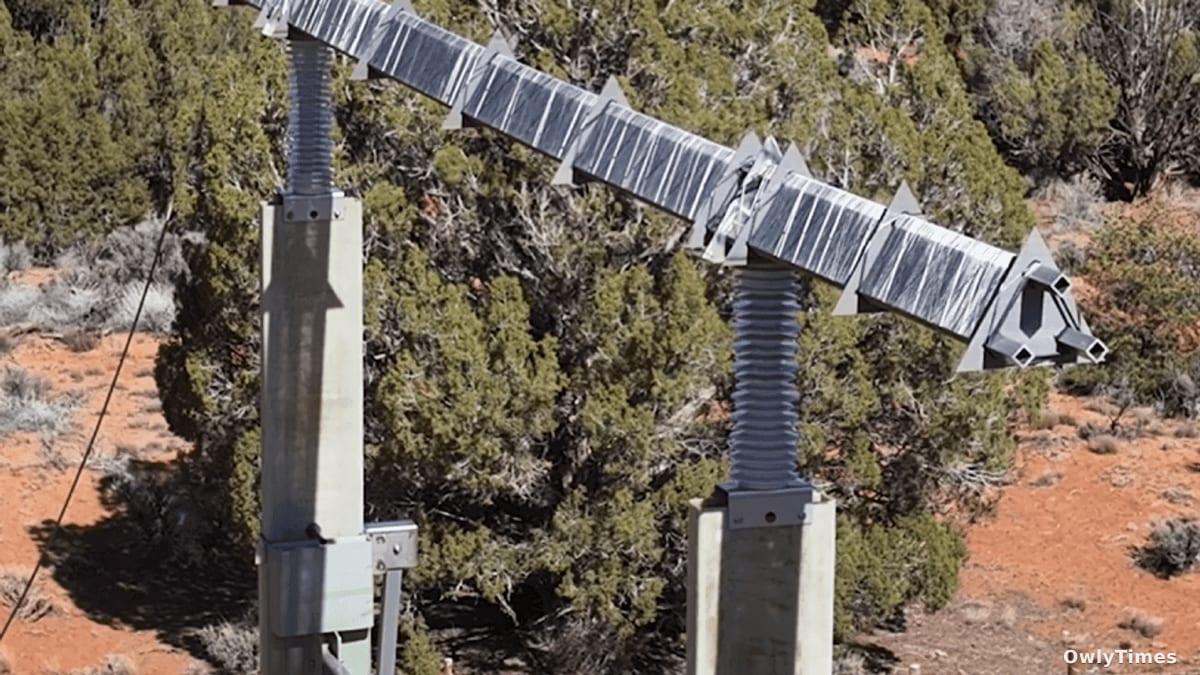
Instead of planes, the company utilizes ground-based units that emit negative ions into the wind. The mechanism is surprisingly simple to visualize: think of these ions as tiny, invisible magnets that encourage water droplets in the atmosphere to clump together and grow heavy enough to fall as rain or snow. By ditching the chemicals, RET is attempting to sidestep the environmental scrutiny that has dogged traditional seeding programs for years.
The Utah Data Point
The company is currently eyeing the Nevada landscape, following a series of deployments in Utah. According to the data provided by RET, these testing periods resulted in precipitation increases of more than 20 percent. To put that 20 percent figure in perspective, it represents a significant margin in a region where every fraction of an inch of winter snowpack is a critical asset for the state’s long-term water security.
However, the efficacy of weather modification often faces skepticism because the atmosphere is inherently chaotic. Randy Seidl, the CEO of RET, acknowledges the need for precision control. He notes that the units can be deactivated during volatile weather to ensure they don't exacerbate dangerous conditions, a feature he frames as a safety guardrail. "If there's some crazy storm coming through, what we would do is shut the unit off," Seidl stated. "Then we wouldn't be able to make what would otherwise be a bad situation worse."
The Reality of Drought-Stricken Infrastructure
State and local officials in Nevada are under immense pressure to secure water resources as drought conditions persist. The appeal of a technology that functions without chemical additives or expensive flight hours is obvious, but the real-world integration remains the biggest hurdle. Seidl maintains that this ionization approach is intended to exist alongside the cloud-seeding infrastructure already active throughout the American West, rather than replacing it entirely.
For the ordinary resident, this means that the future of their water supply might soon rely on localized, ground-based hardware that hums quietly on a mountain ridge rather than a plane flying overhead. It is a transition from the "spray and pray" methodology of the past to a more localized, electric approach to precipitation management.
The next reading of the company’s internal evaluation process regarding potential implementation in Nevada will show whether this ionization technology is ready for the harsh realities of the Great Basin or if it will remain a localized experiment. We should expect more clarity on the viability of this shift by the end of the year.