
The Endurance Contest: Why Presidential Speech Length Matters Now
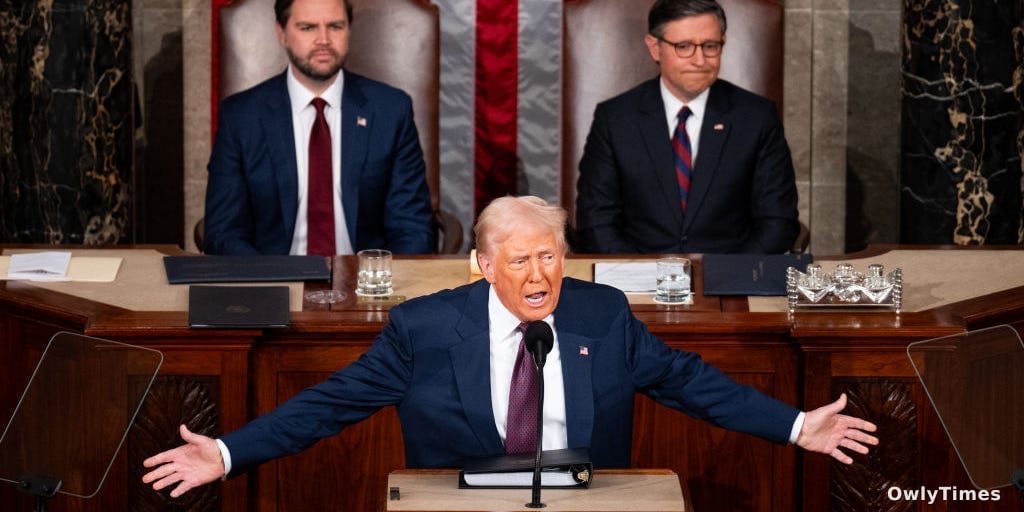
The upcoming State of the Union address isn’t simply a recitation of policy goals; it’s a carefully calibrated performance of power. The fact that Donald Trump currently holds the record for the longest joint address – a staggering 1 hour, 39 minutes, and 32 seconds in 2025 – isn’t a quirk of his speaking style, but a strategic assertion of dominance. The length of these speeches, meticulously tracked by the American Presidency Project since 1964, reveals a subtle but significant power dynamic: the ability to command attention, to frame the narrative, and to exhaust opposition through sheer verbal stamina. As Trump prepares to deliver another address on February 24th, the question isn’t just what he’ll say, but how long he’ll say it, and what message that sends to Congress and the nation.
The average State of the Union speech clocks in at 56 minutes and 24 seconds. Richard Nixon’s remarkably concise 1972 address – a mere 28 minutes and 55 seconds – stands as an outlier, likely reflecting the political pressures of the Watergate scandal and a desire to minimize scrutiny. Conversely, the prevalence of lengthy addresses from Bill Clinton and Trump suggests a different calculus. Both presidents, despite vastly different political ideologies, understood the value of a prolonged platform. Who benefits from a longer speech? Primarily, the president. It allows for a more comprehensive articulation of their agenda, a greater opportunity to connect with the public directly, and a demonstration of energy and control. Who loses? Congress, forced to passively listen, and the media, struggling to distill a sprawling message into digestible soundbites.
Drawn from Business Insider.
This isn’t a new phenomenon. The tradition of a presidential address to Congress dates back to George Washington, but the modern State of the Union, as we know it, was largely shaped by Ronald Reagan. In 1982, Reagan formalized the practice of delivering a speech during his first year in office to outline legislative priorities, effectively expanding the scope and importance of the address. This move, mirroring the tactics of successful executives in other fields, recognized the power of proactive communication. It’s a tactic that has been refined over decades, culminating in the marathon addresses of recent presidents. The historical parallel is clear: the longer the presentation, the more control the presenter exerts over the narrative. Think of a lawyer delivering a closing argument – the goal isn’t just to present facts, but to overwhelm the jury with the sheer weight of the case.
The dominance of Clinton and Trump on the “longest speech” leaderboard is particularly telling. Clinton, a master communicator, used his lengthy addresses to build rapport and articulate a complex vision for a “New Democrat” America. Trump, on the other hand, employed length as a tool of disruption. His 2020 address, delivered the night before his impeachment trial, was a defiant and sprawling defense of his presidency, designed to dominate the news cycle and preemptively shape the narrative. The fact that both presidents – representing such different styles and strategies – found value in extended remarks suggests a fundamental truth about the modern presidency: the ability to control the flow of information is paramount. Joe Biden’s 2023 address, at 1 hour and 13 minutes, falls within this trend, indicating a continued recognition of the strategic advantages of a longer format.
However, there’s a potential downside to this trend. As speeches grow longer, they risk losing the attention of the audience. The diminishing returns of prolonged speaking time raise the question of whether a concise, focused message might be more effective. The current political climate, characterized by short attention spans and fragmented media consumption, may favor brevity over bombast. Yet, for Trump, the risk of losing audience attention appears secondary to the symbolic power of commanding the stage for an extended period. The political chess move to watch next isn’t simply the content of the speech, but whether Trump attempts to surpass his own record, signaling a further escalation in the performance of presidential power, or opts for a more restrained approach, potentially acknowledging the shifting dynamics of the modern media landscape.





