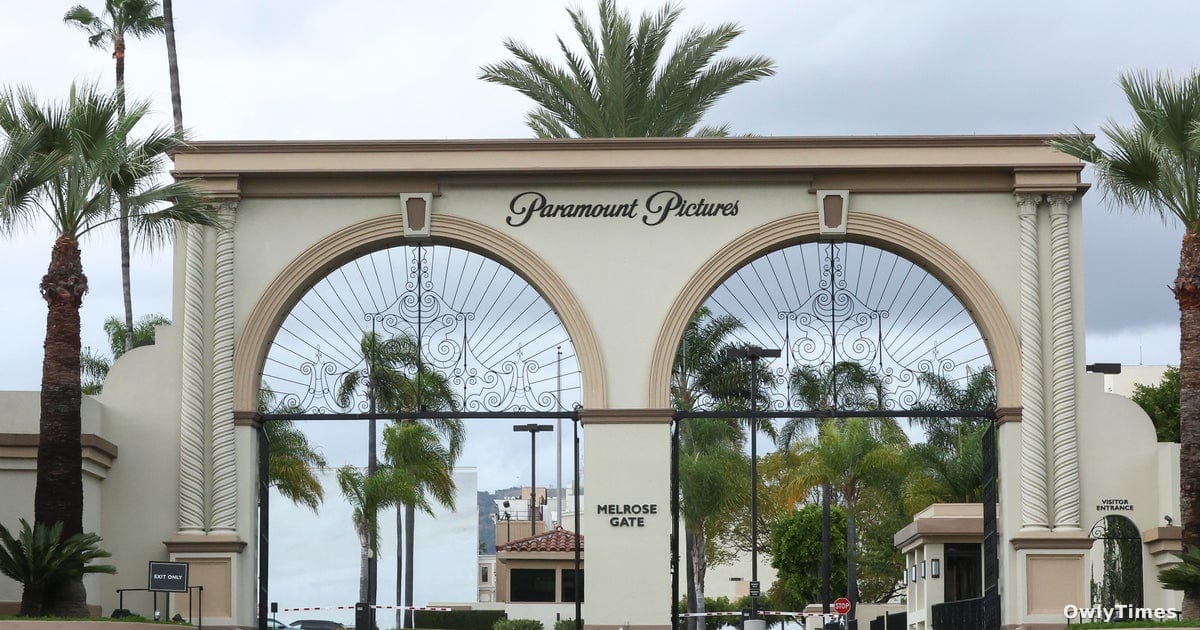

The Paramount Skydance acquisition of Warner Bros. Discovery—a deal carrying a massive $110 billion valuation—has been effectively frozen until at least June 2027. Following a series of legal challenges, Judge Araceli Martinez-Olguin ordered that the transaction “shall not close, be consummated, or otherwise be completed” until a federal court reaches a merits determination, as reported by CBS News.
Following the Money: The Cost of Stagnation
The financial stakes of this delay are significant for both entities. According to CBS News, Paramount has contractually committed to paying Warner Bros. Discovery shareholders a fee of $650 million per quarter if the merger fails to close by September 30. This creates a high-pressure environment for executives, who are attempting to navigate a massive leveraged buyout that, as The Guardian notes, would saddle the combined company with an estimated $84 billion in debt. To justify this debt to investors, leadership has targeted roughly $6 billion in "synergies," a term historically associated with workforce reductions and cancelled productions.
Antitrust Fronts and Regulatory Scrutiny
The pause comes after a wave of litigation initiated on July 13 by a coalition of 12 U.S. state attorneys general, led by California, who argue that the consolidation will stifle competition, degrade content quality, and shrink the number of films produced. The Guardian reports that this legal victory in the U.S. arrives even after the Department of Justice initially allowed the deal to proceed. Meanwhile, the Writers Guild of America (WGA) filed a separate lawsuit alleging the merger violates federal antitrust laws and threatens labor standards, such as pay and job security.
While the U.S. courts weigh these antitrust concerns, the international landscape remains complex. The Guardian reports that the European Union has conditionally backed the merger, but the United Kingdom is taking a different path. Lisa Nandy, the UK secretary of state for digital, culture, media and sport, has indicated she is "minded to intervene," citing risks to the plurality of news media and the potential homogenisation of content.
Operational Reality Amidst Corporate Uncertainty
Despite the corporate standstill, business operations for the involved studios continue to function in the interim. Variety highlights that Warner Bros. Discovery has recently secured the rights to the revenge thriller "Kill Jackie," starring Catherine Zeta-Jones, for its HBO Max service across several European markets. This acquisition underscores the firm’s ongoing push to bolster its streaming library—a sector where it aims to become the second-largest streamer in Spain by the end of 2026.
What This Means for Your Wallet
For investors, the immediate takeaway is a period of prolonged uncertainty and potential cash bleed due to the quarterly penalty payments. For consumers, the delay acts as a stay of execution for the current market landscape. If the merger eventually proceeds, the reliance on "synergies" to service $84 billion in debt suggests that viewers may face fewer content choices, higher subscription costs, and a more consolidated media environment. The next critical trigger to watch is the court's evidentiary trial; however, per the WGA and state filings, the absolute ceiling for this legal purgatory is June 1, 2027, unless a judicial ruling concludes the matter sooner.