
Is the "move fast and break things" philosophy of Silicon Valley finally curdling in the halls of academia, or are we just watching the inevitable collision between high-stakes ego and reality? The real story here isn't just about a missing person or a sports executive in trouble—it’s about the fragility of systems that prioritize "disruption" over the messy, unpredictable nature of human life and organizational stability.
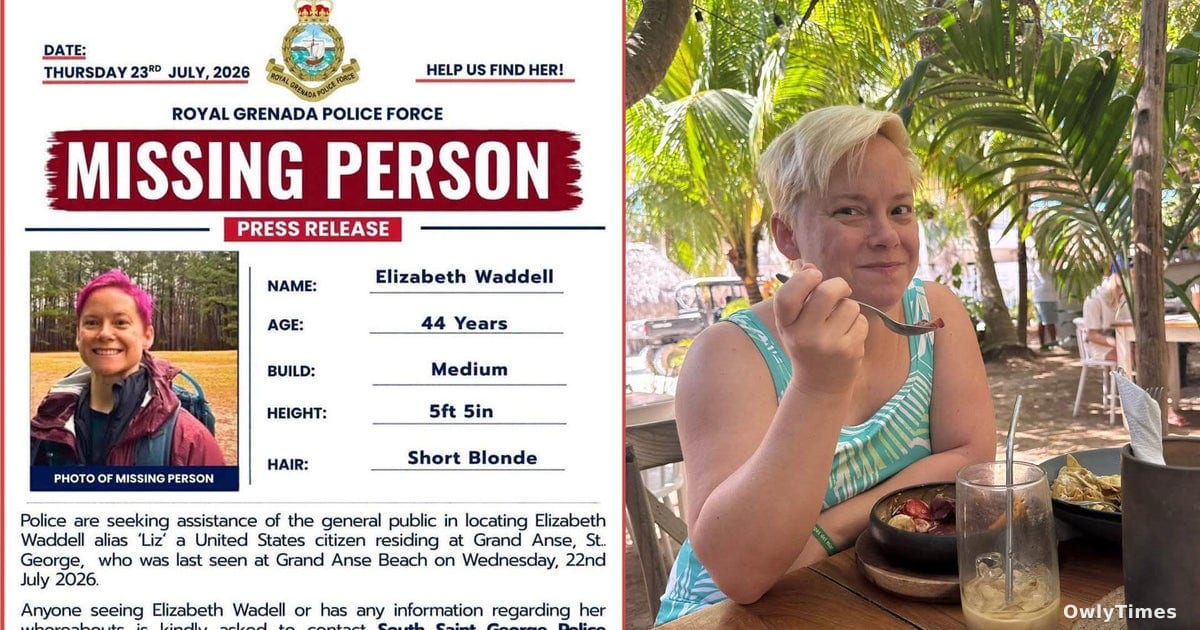
In the case of Elizabeth "Liz" Waddell, a 44-year-old North Carolina resident who vanished while vacationing in Grenada, the tech-adjacent narrative of seamless travel and connectivity has hit a wall. According to NBC News, Waddell was last seen swimming near a pier at Grand Anse Beach between noon and 1 p.m. last Wednesday. Her friend, who was busy with an online class at their Airbnb, realized something was wrong when she found Waddell’s towel on the pier but no sign of her. CBS News notes that the Royal Grenada Police Force has issued a formal appeal to fishermen and boat operators to scan the southern coastline, underscoring the limitations of digital safety nets when a person simply disappears from physical view.
The situation remains dire, with family and friends—including her husband, Cailen Waddell—traveling to the island to assist in the search. While the U.S. State Department is aware of the reports, the primary search efforts are being handled by local authorities, including the coast guard and divers, who have been unable to locate her despite several days of searching. It is a stark reminder that even in our era of pervasive GPS tracking and constant digital tethering, the physical world retains a capacity for "black box" events where data—like the camera footage from a local bar and grill that caught her final moments—can only tell us so much before the trail goes cold.
Meanwhile, in the high-pressure ecosystem of North Carolina football, a different kind of disruption is unfolding. The university has placed general manager Michael Lombardi on paid administrative leave, according to a press release from vice chancellor Dean Stoyer, as reported by CBS Sports. Lombardi, a key architect of head coach Bill Belichick’s "33rd NFL team" experiment, is now the subject of an investigation stemming from an HR complaint filed by a former front-office employee, as noted by ESPN (via CBS Sports).
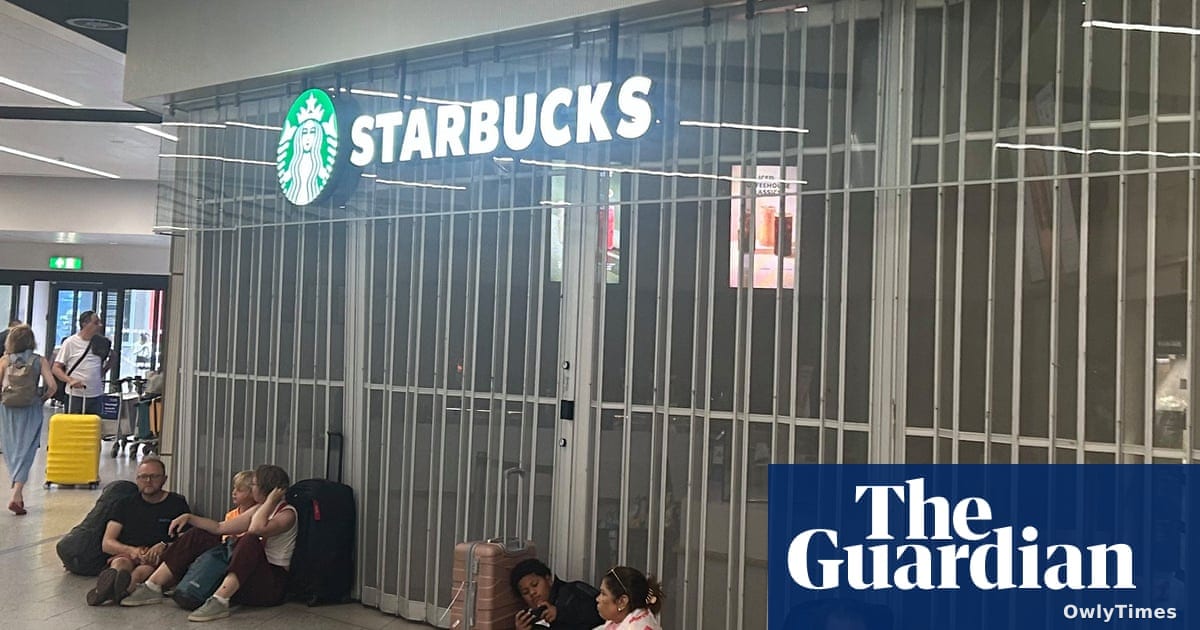
This development adds a layer of instability to a program that already struggled through a 4-8 debut season under Belichick. The Guardian highlights that this move comes just days before the team opens its preseason camp. The reliance on Lombardi—who earns a reported $1.5 million annually—was central to the team’s strategy of importing professional-grade talent acquisition and roster management to the college game. The "disruption" here was supposed to be a streamlined, data-driven approach to recruiting; instead, the program is currently dealing with the fallout of human-capital friction and internal investigations.
The pattern is clear: whether you are attempting to optimize a vacation or a football program, the human element—the variable that refuses to be coded or coached—is usually what breaks the model. For the Tar Heels, the pressure will culminate on August 29, when the team opens its season against TCU in Dublin. For the Waddell family, the immediate future is measured not in game days or administrative deadlines, but in the agonizing wait for the next update from local search teams. Expect the scrutiny on the UNC football program to intensify sharply if the team cannot move past this personnel crisis before they take the field in Ireland.